
TFF systems for ultrafiltration, diafiltration and buffer exchange
Tangential flow filtration is not selected only by platform type or filtration area. In practice, many users start with the downstream task itself, whether the priority is ultrafiltration, diafiltration or buffer exchange.
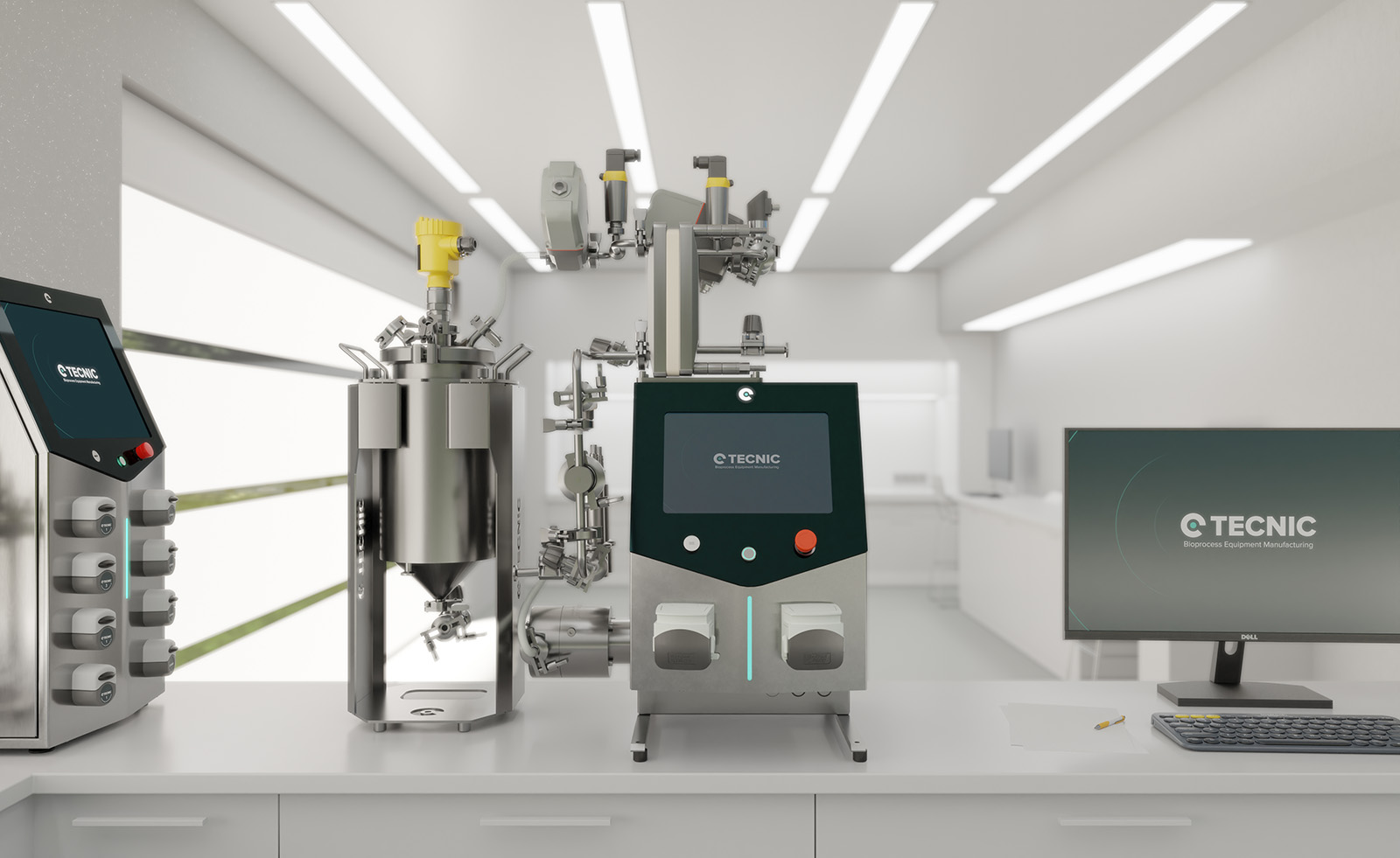
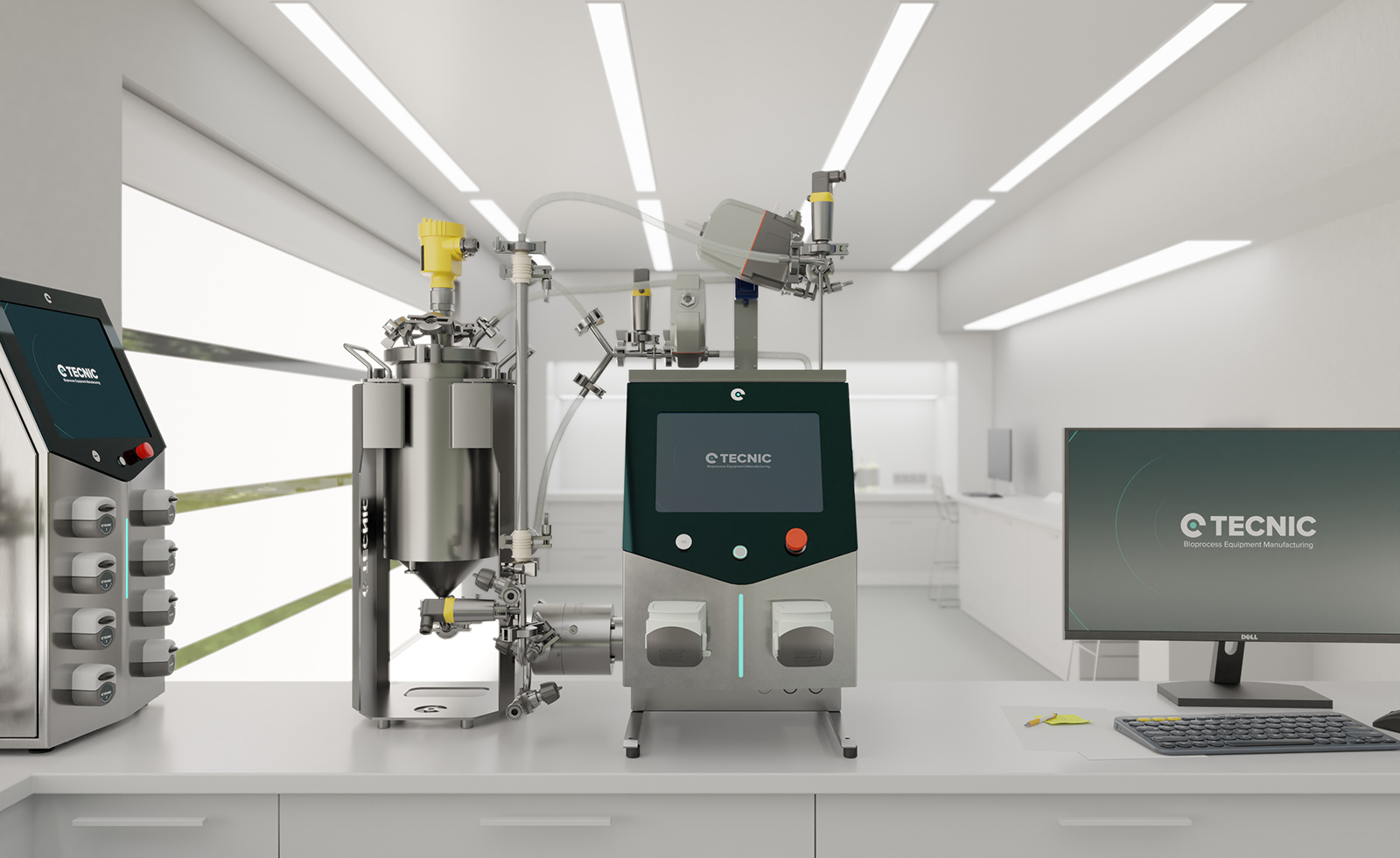
TECNIC TFF systems support a wide range of downstream workflows, from laboratory development to pilot and production execution. This page is designed to reorganize that portfolio around application first, helping users compare TFF systems through the process they actually need to perform.
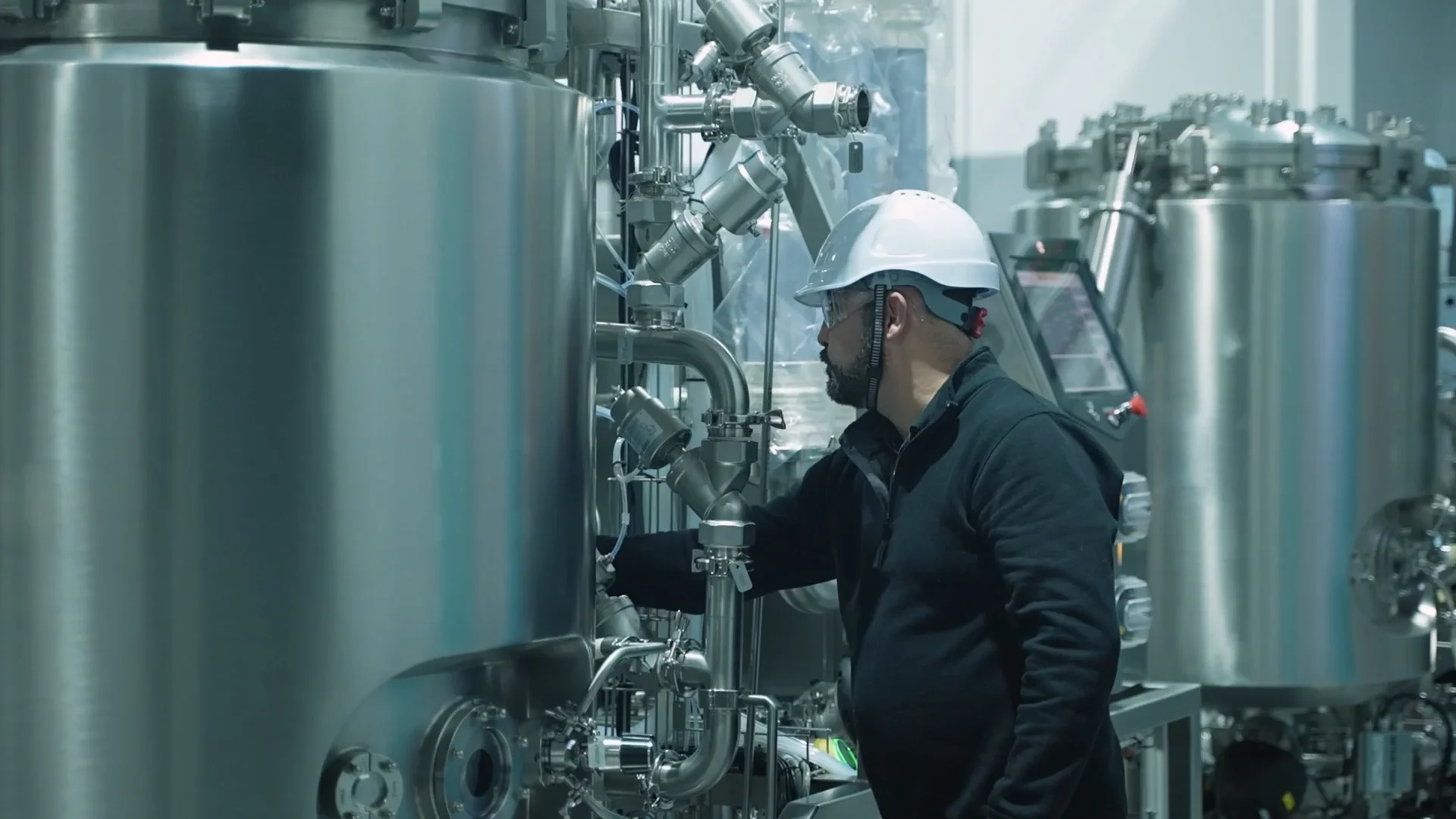
TFF applications across downstream bioprocessing
Ultrafiltration, diafiltration and buffer exchange are closely connected, but they are not exactly the same decision. In real downstream work, users often search for them separately because each application reflects a different process objective.
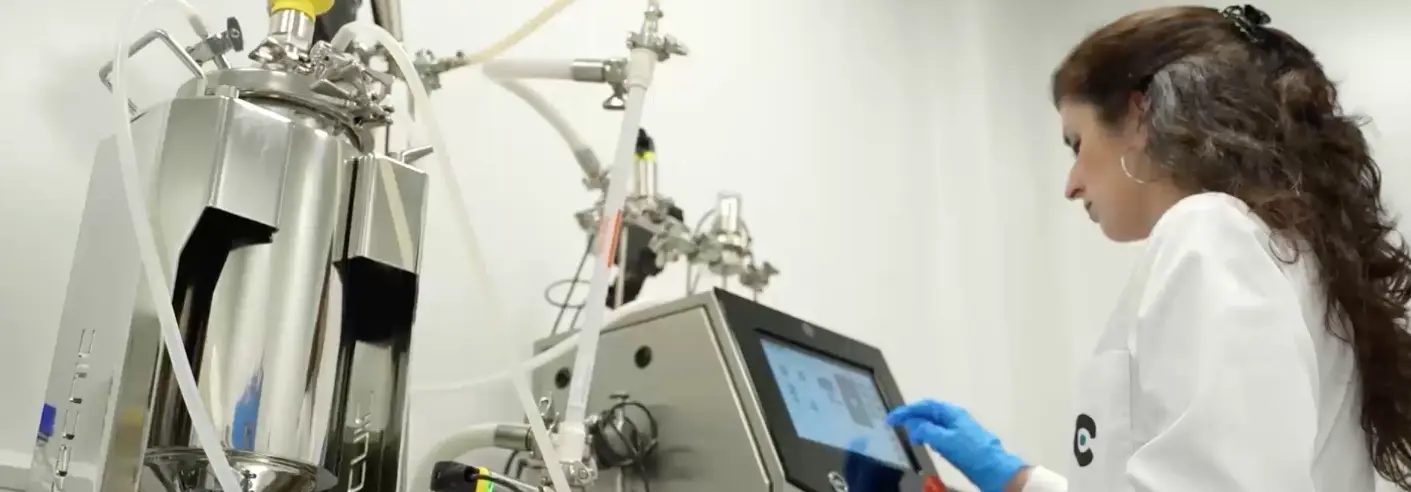
TFF systems for concentration and selective retention
Ultrafiltration is typically used when the process needs concentration, controlled retention of larger molecules and separation from smaller components.
- Concentration-focused downstream workflows
- Retention of target macromolecules
- Useful in protein and biologic processing routes
- Common starting point for broader UF/DF strategies
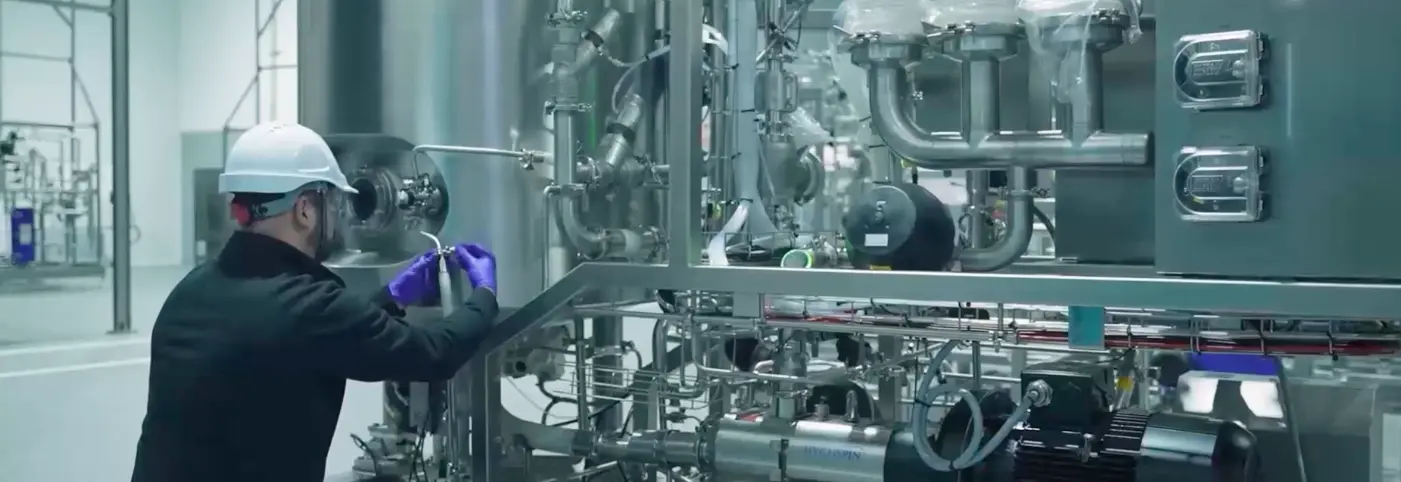
TFF systems for washing and solute removal
Diafiltration is typically used when the goal is to remove smaller solutes while retaining the larger target fraction, usually through controlled washing steps.
- Removal of salts and low molecular weight components
- Process washing inside UF/DF workflows
- Common downstream step after concentration
- Strong fit for process polishing logic
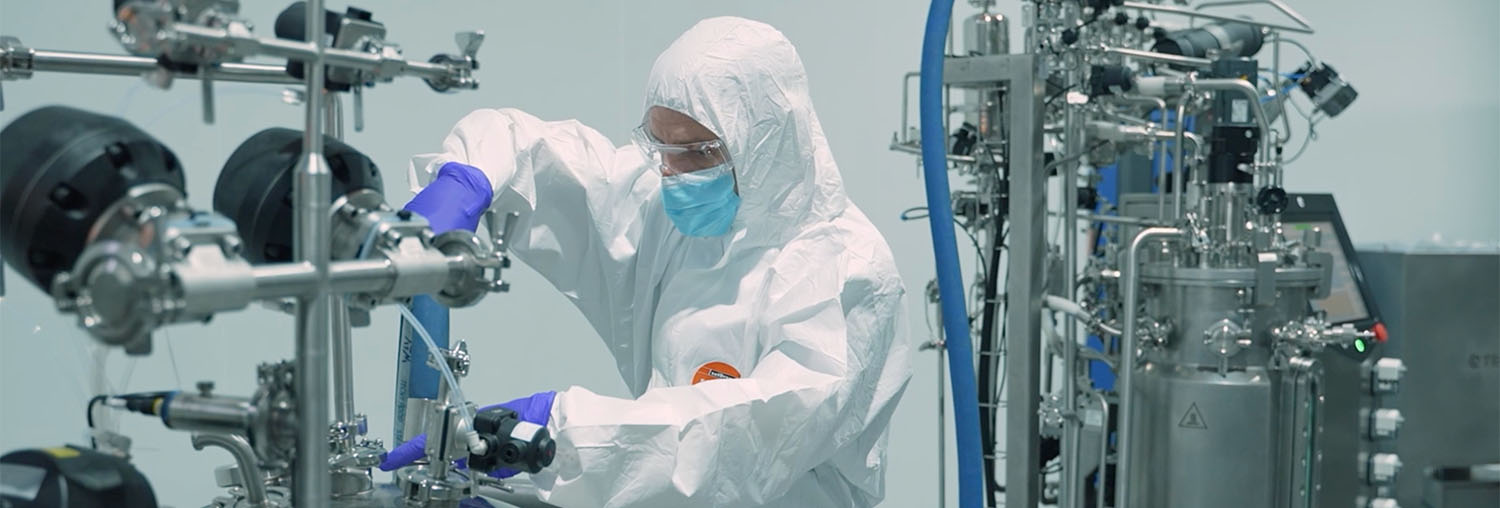
TFF systems for moving the product into the next process condition
Buffer exchange is one of the clearest practical outcomes of diafiltration, where the objective is to replace the existing buffer with a new one that fits the next downstream step.
- Buffer replacement inside a controlled TFF workflow
- Alignment with the next process condition
- Strong fit for preparation before later downstream steps
- Often part of a broader diafiltration strategy
How application-led TFF selection works
The strongest TFF selection journeys do not always start with a platform name. They often start with the process objective, then move into scale, then into membrane format and technology route.
Start from the downstream task, then match the TFF platform
In real downstream planning, the first question is often not whether the system is single-use or multi-use. The first question is what the filtration step must achieve, concentration, washing or buffer replacement.
That is why this page helps users compare TFF platforms through application first. Once the application is clear, the right scale, membrane logic and platform family become easier to define.
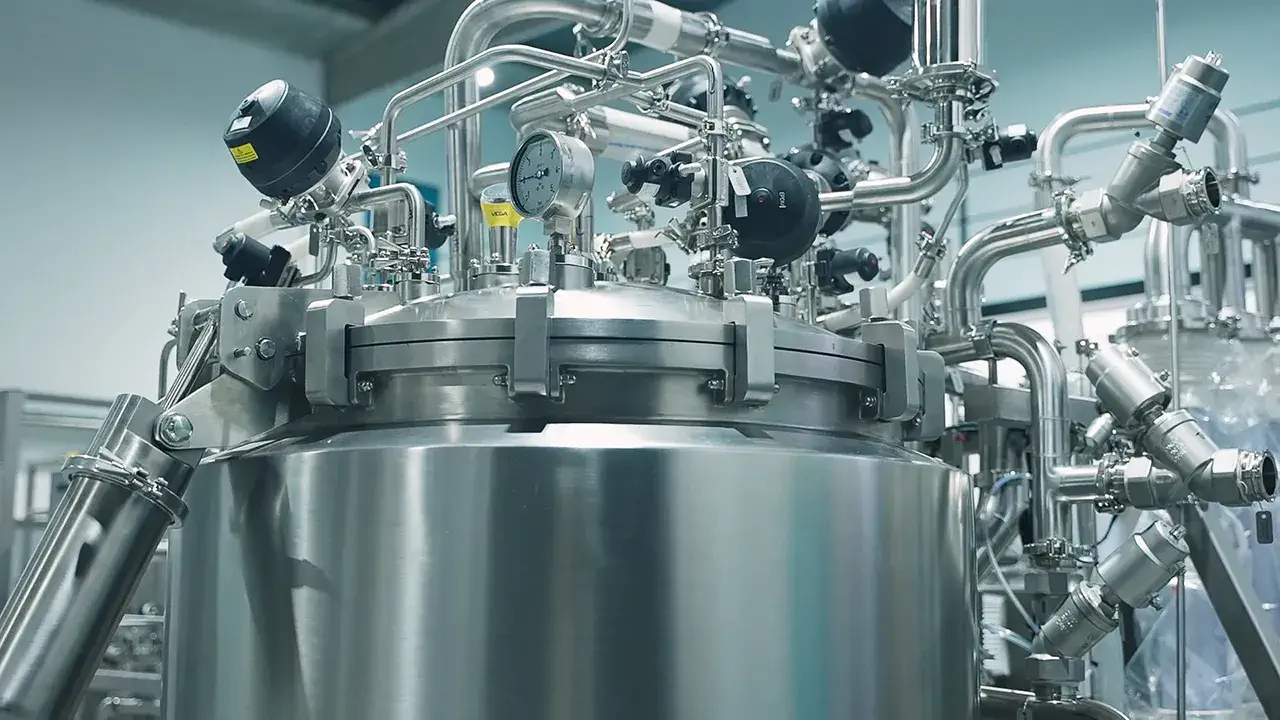
Application map across the TECNIC TFF range
This view reorganizes the current TFF portfolio around downstream application, helping users compare which TECNIC systems can support ultrafiltration, diafiltration and buffer exchange through different process stages.
Use this table when the main question is what the filtration step needs to do, and which TECNIC platform family can support that application with the right scale logic.
| Platform | Scale | Technology | Typical area | Main application fit | Process role |
|---|---|---|---|---|---|
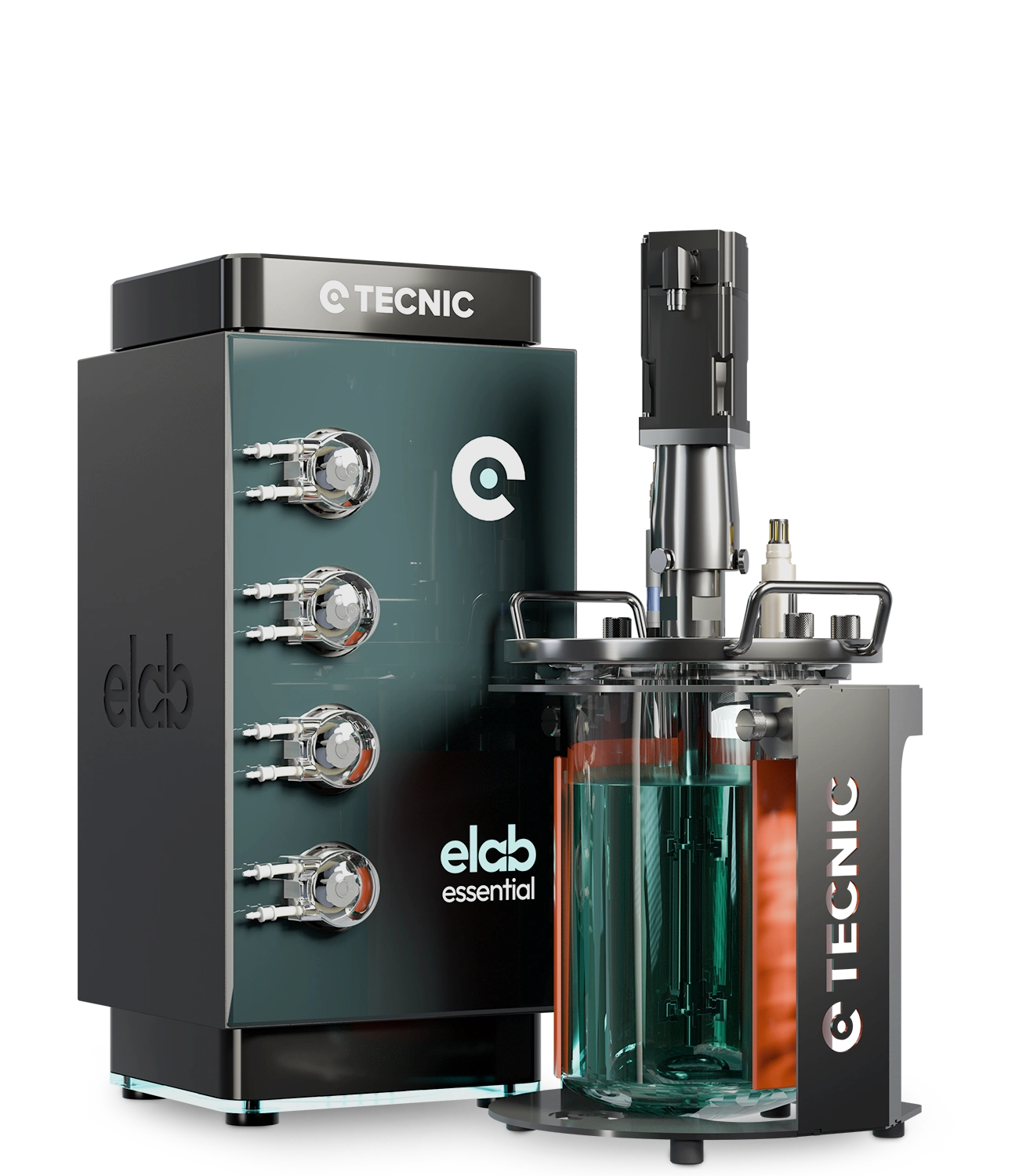
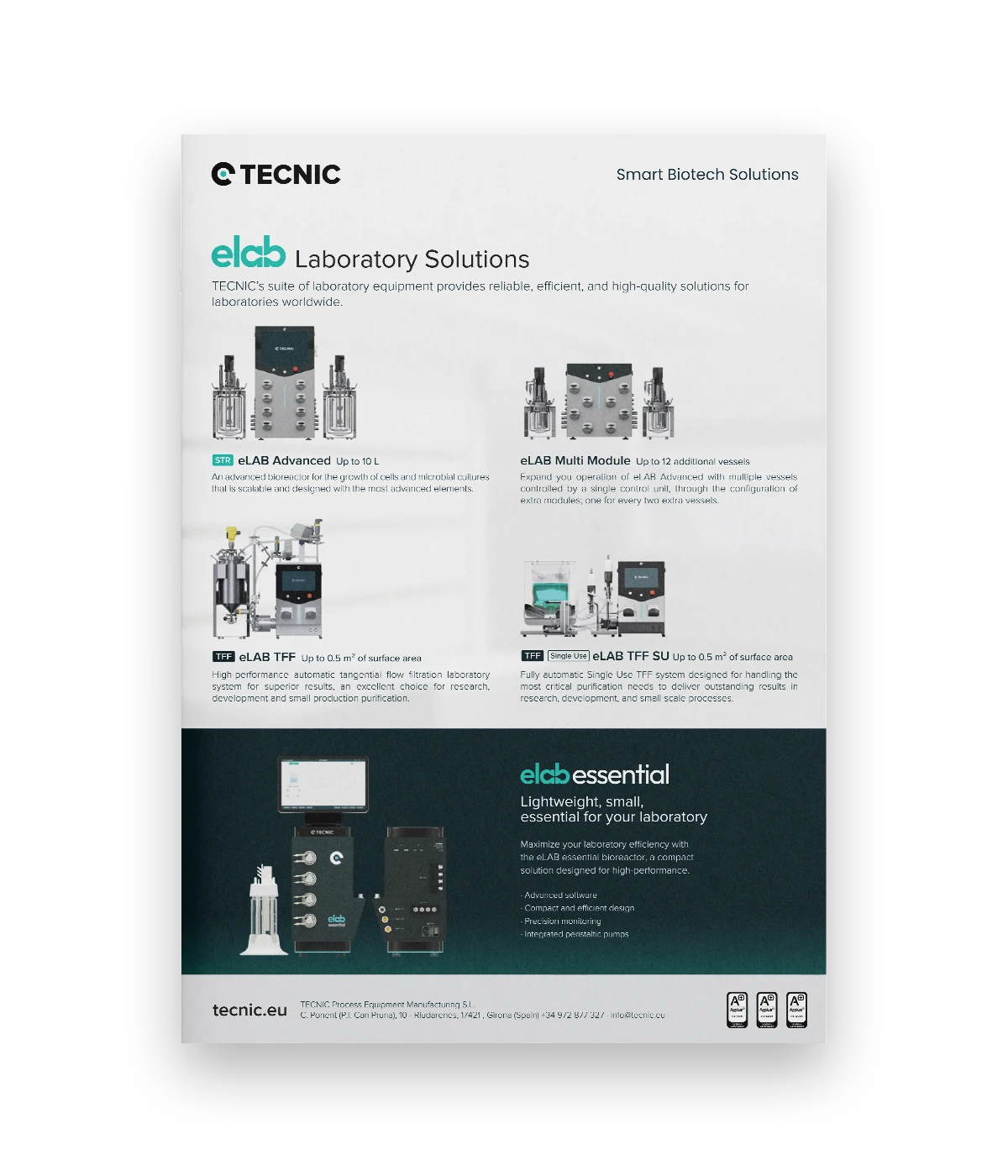
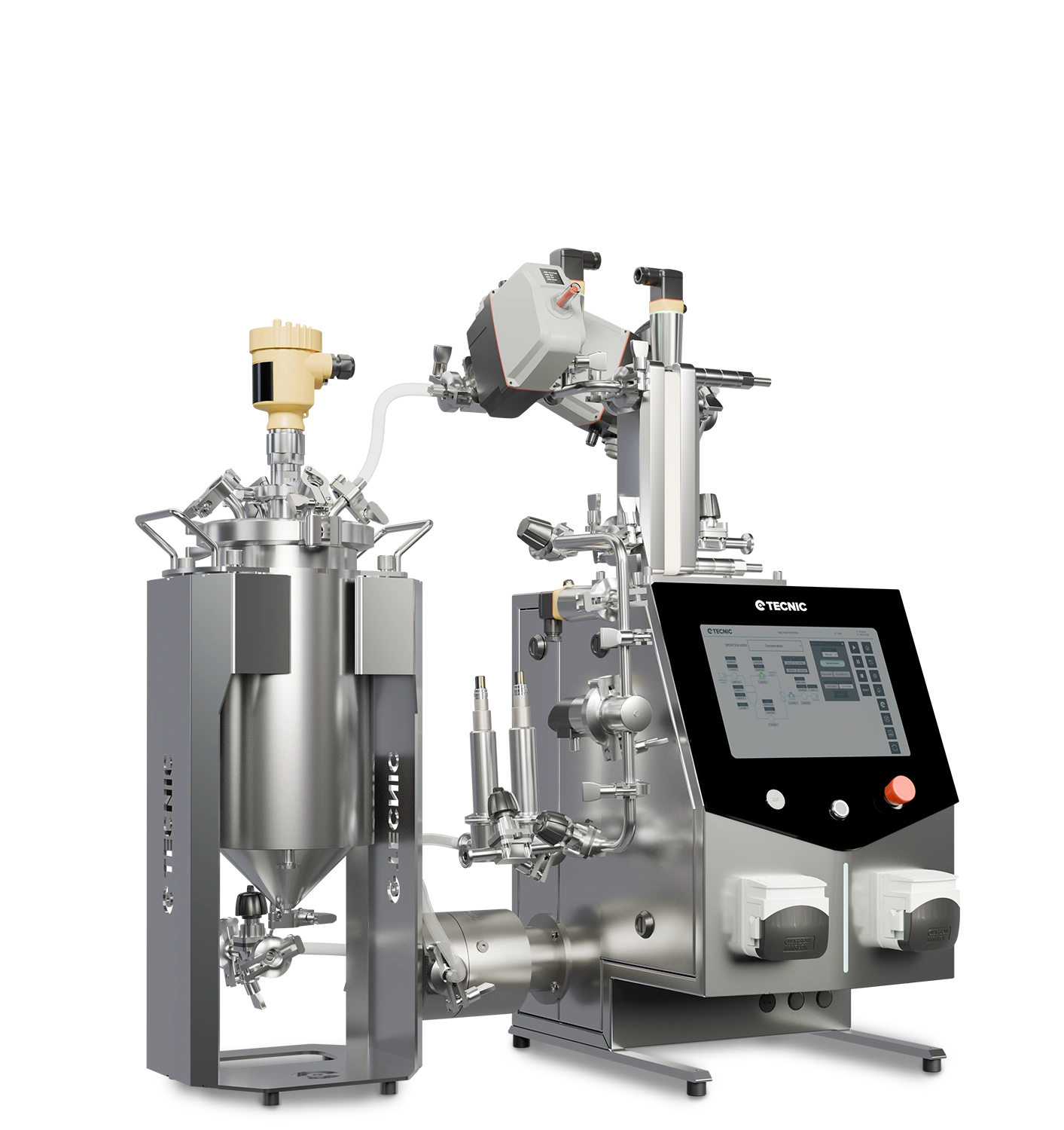
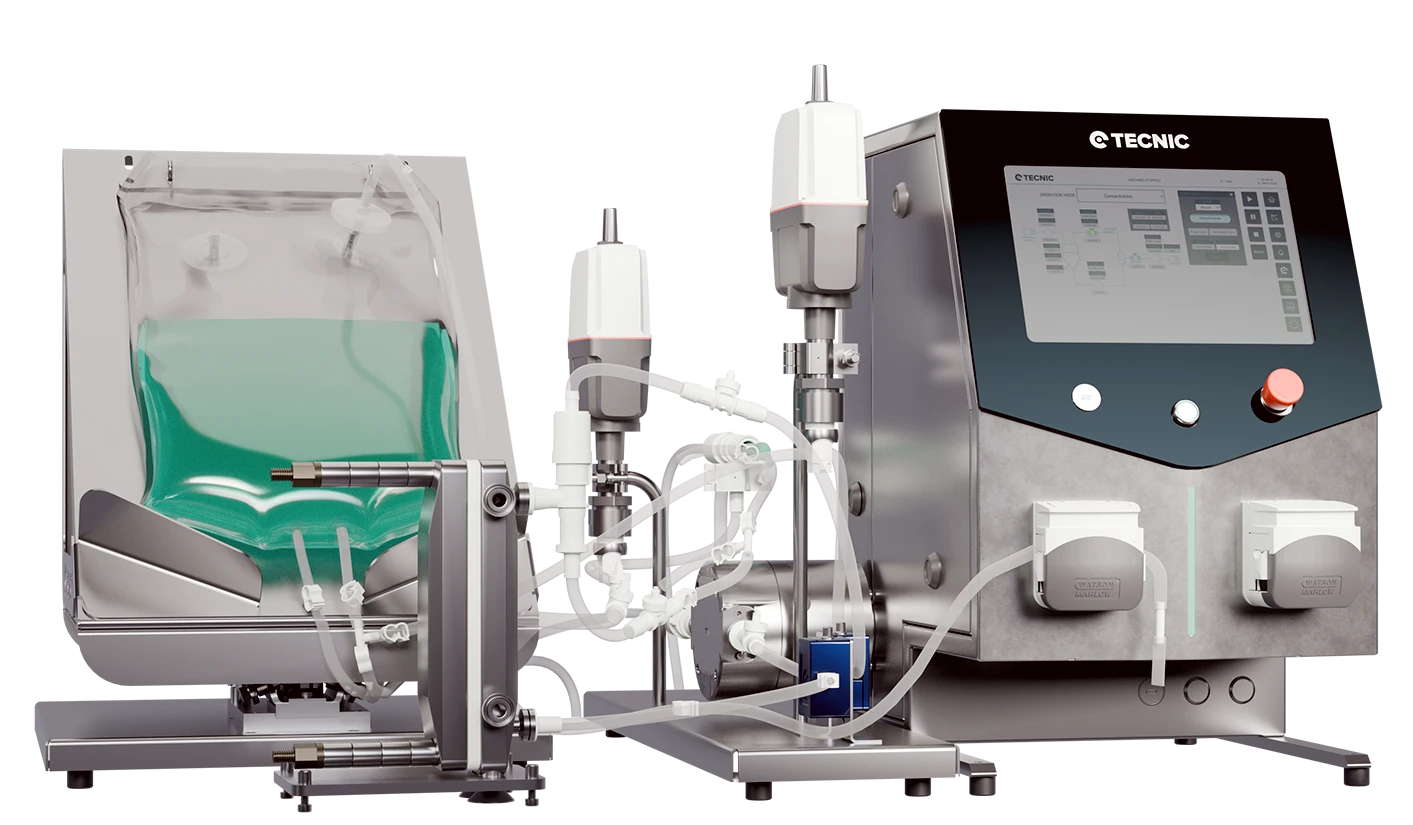
| eLab TFF | Laboratory | Multi-use | Up to 0.7 m² | UF, DF, buffer exchange | Lab-scale development for controlled downstream filtration work |
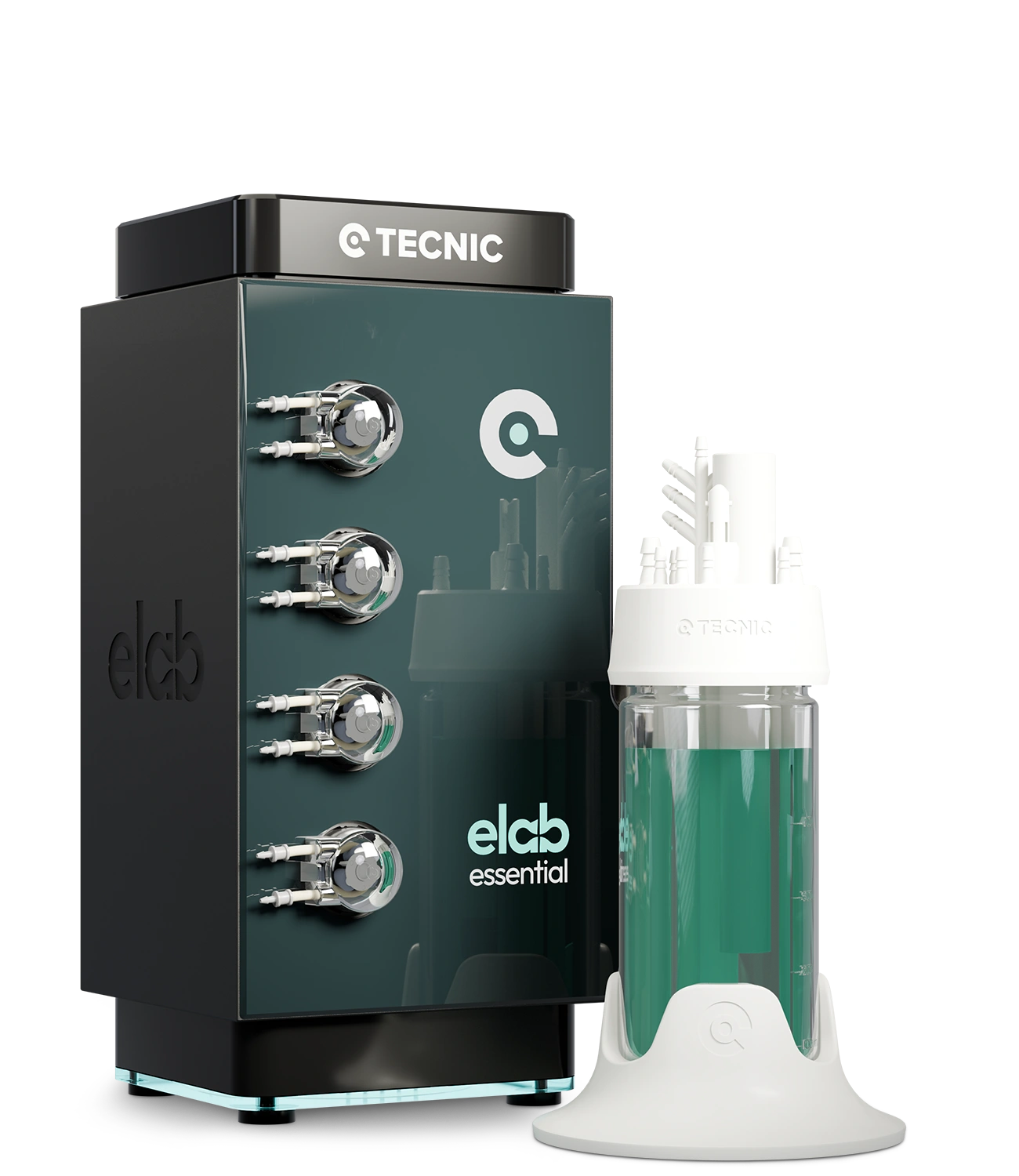
| eLab TFF SU | Laboratory | Single-use | Up to 0.7 m² | UF, DF, buffer exchange | Flexible single-use route for early-stage filtration workflows |
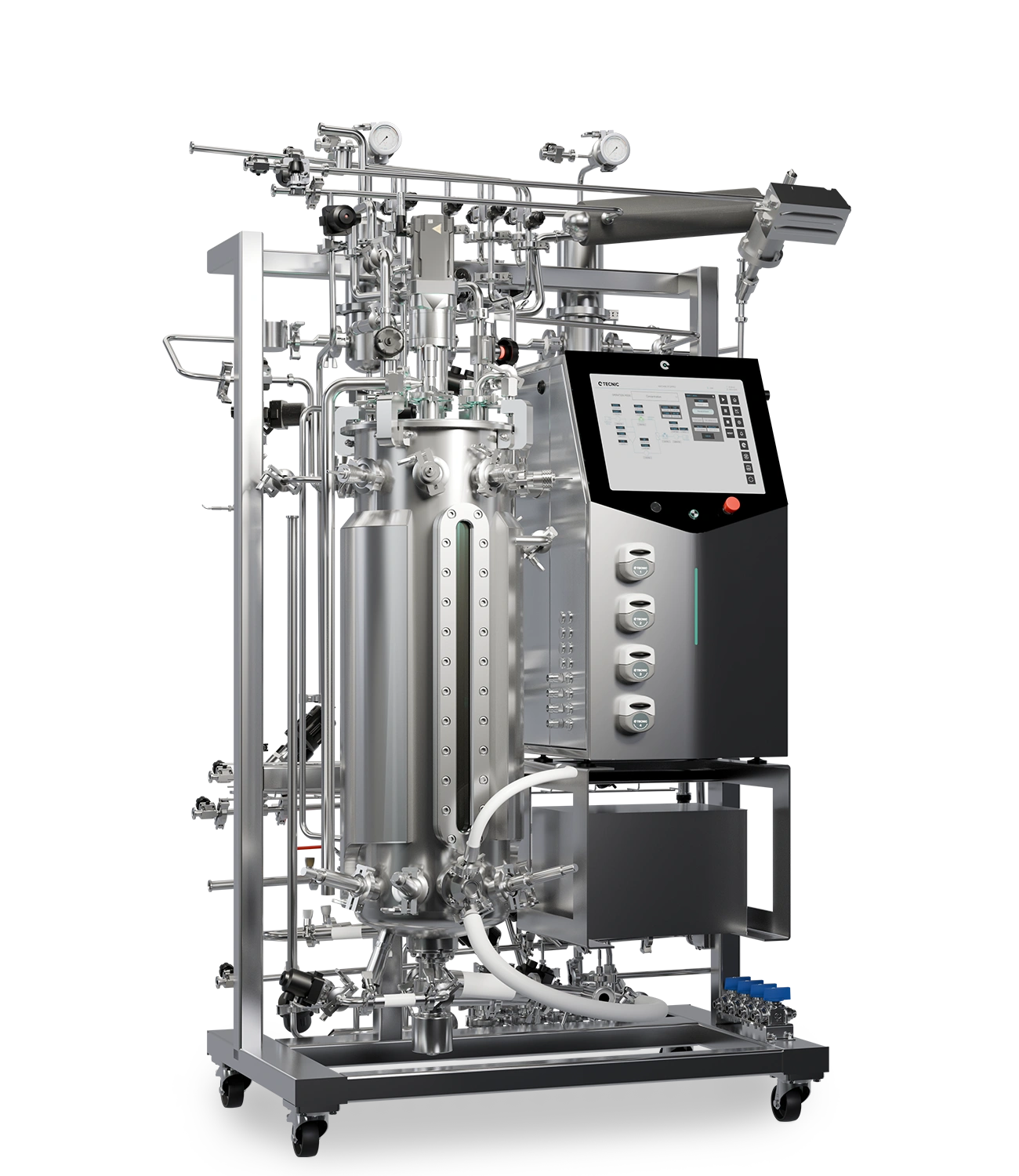
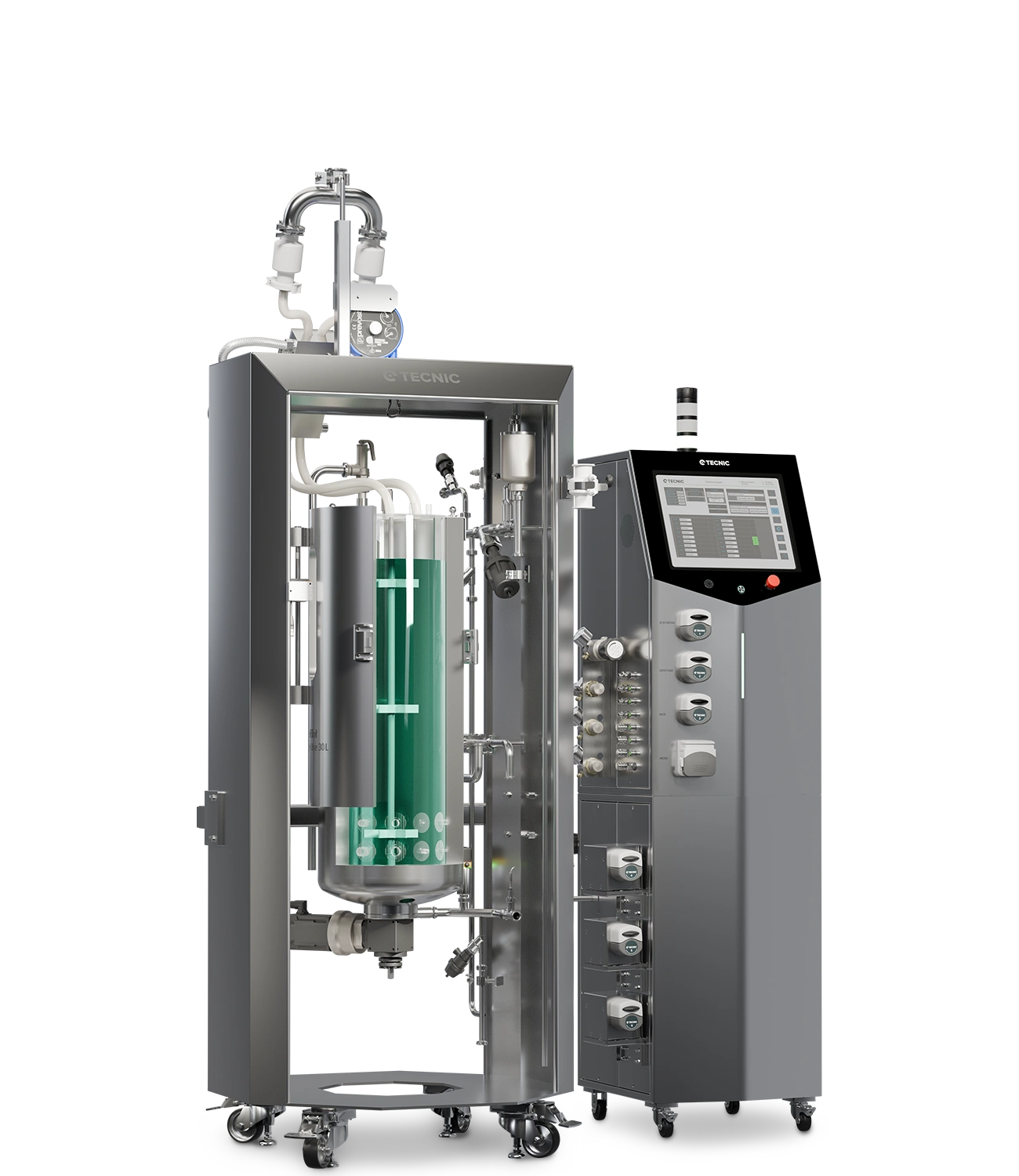
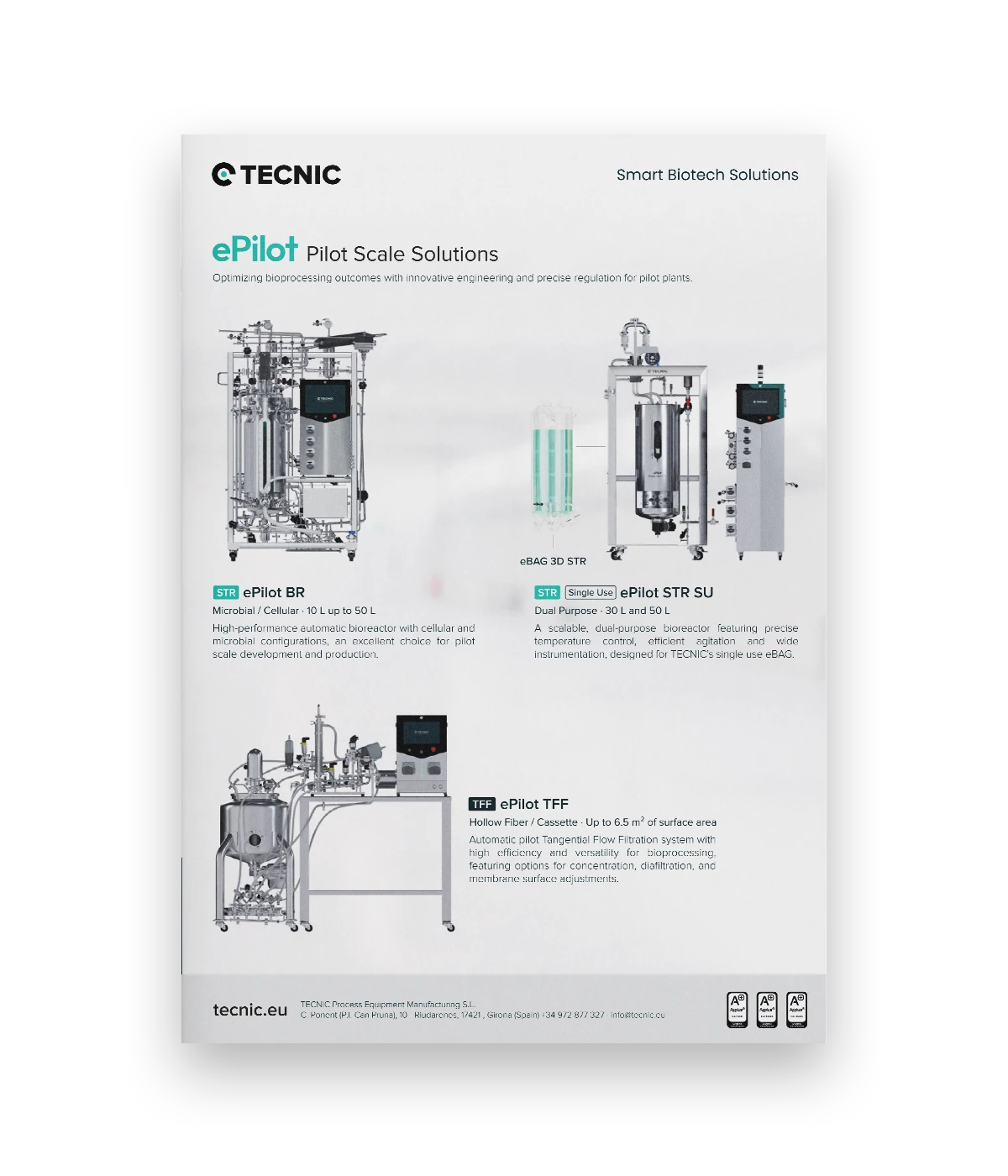
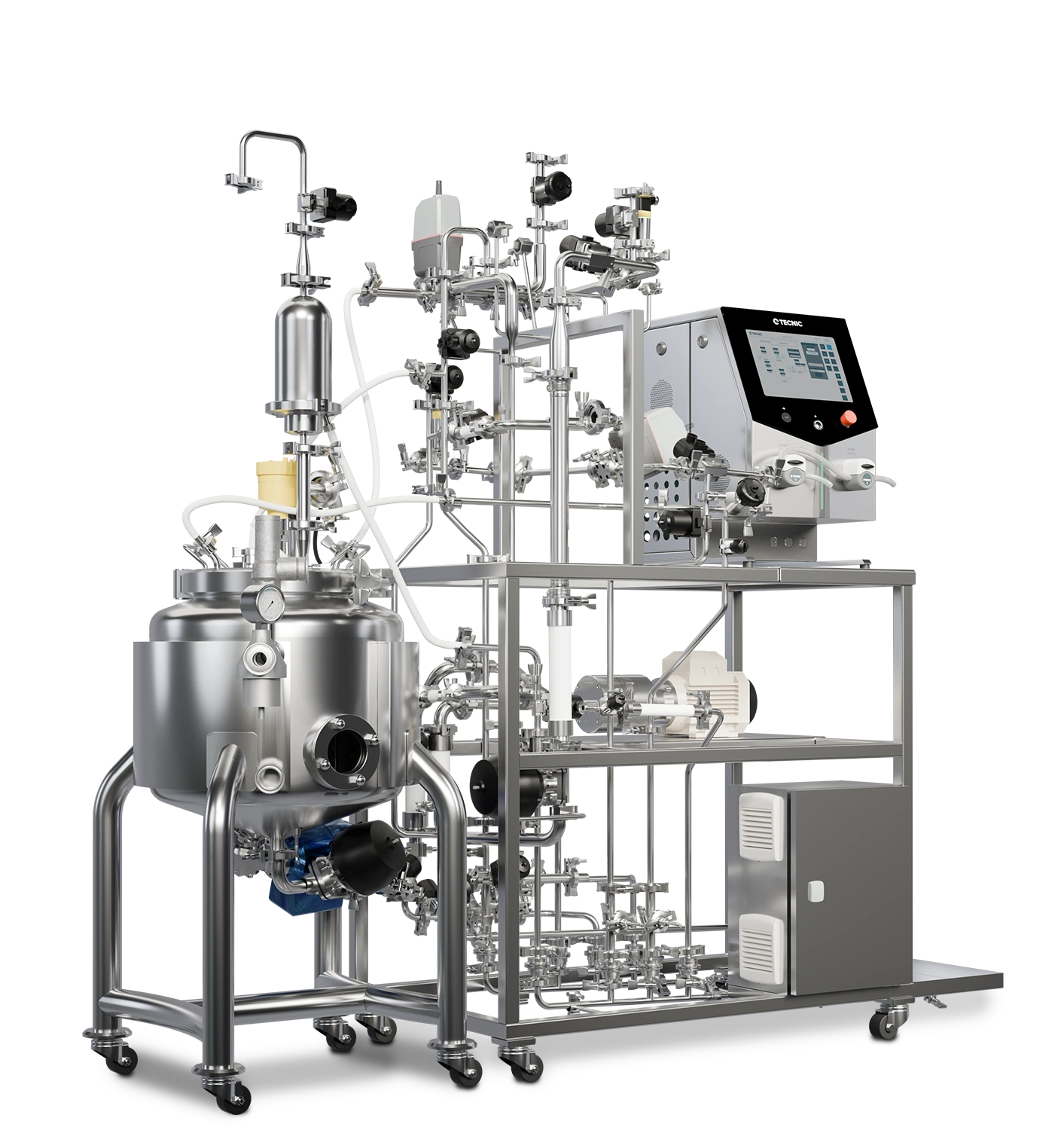
| ePilot TFF | Pilot | Multi-use | Up to 6.5 m² | UF, DF, buffer exchange | Pilot-scale bridge for process transfer and larger-volume downstream work |
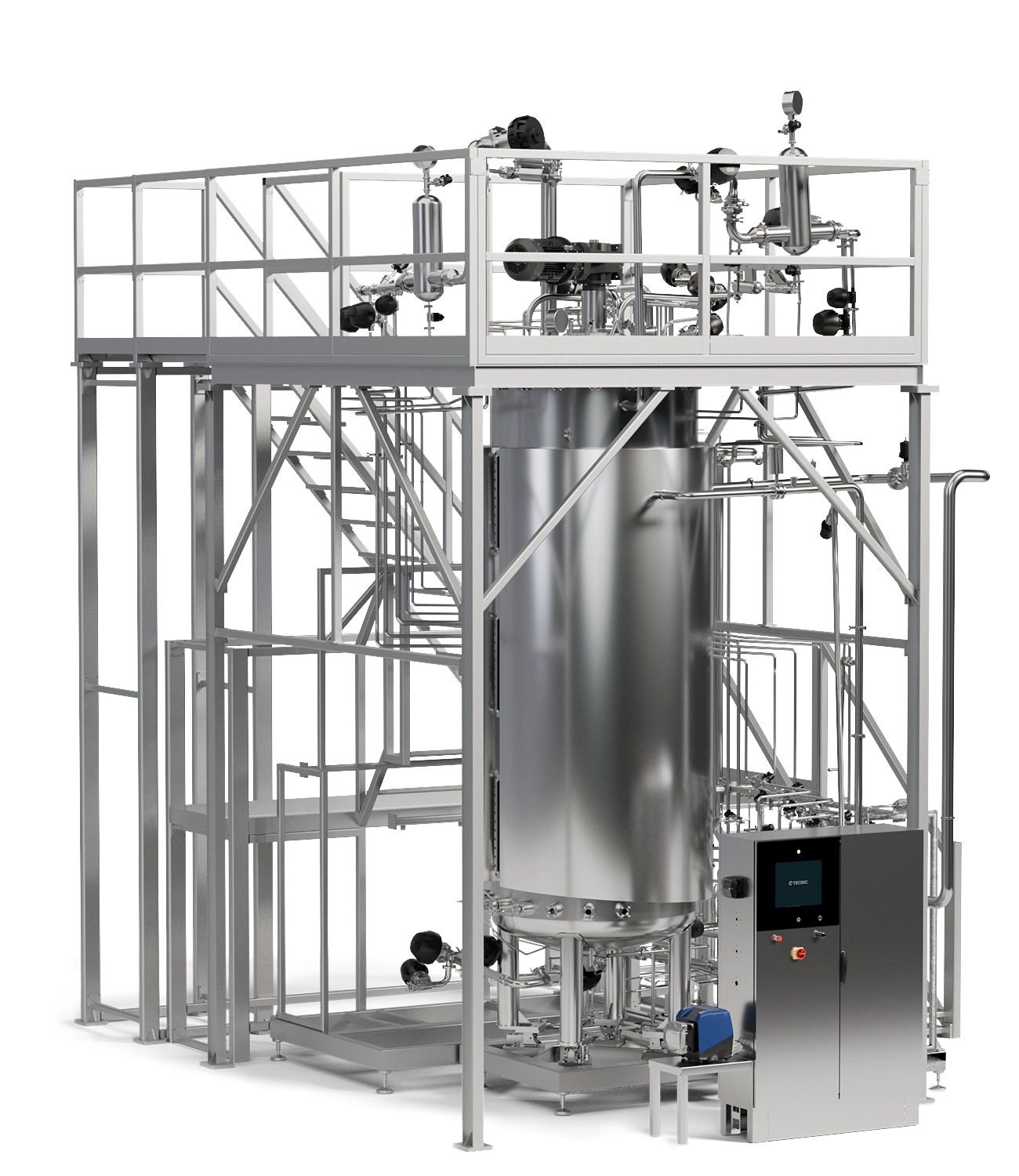
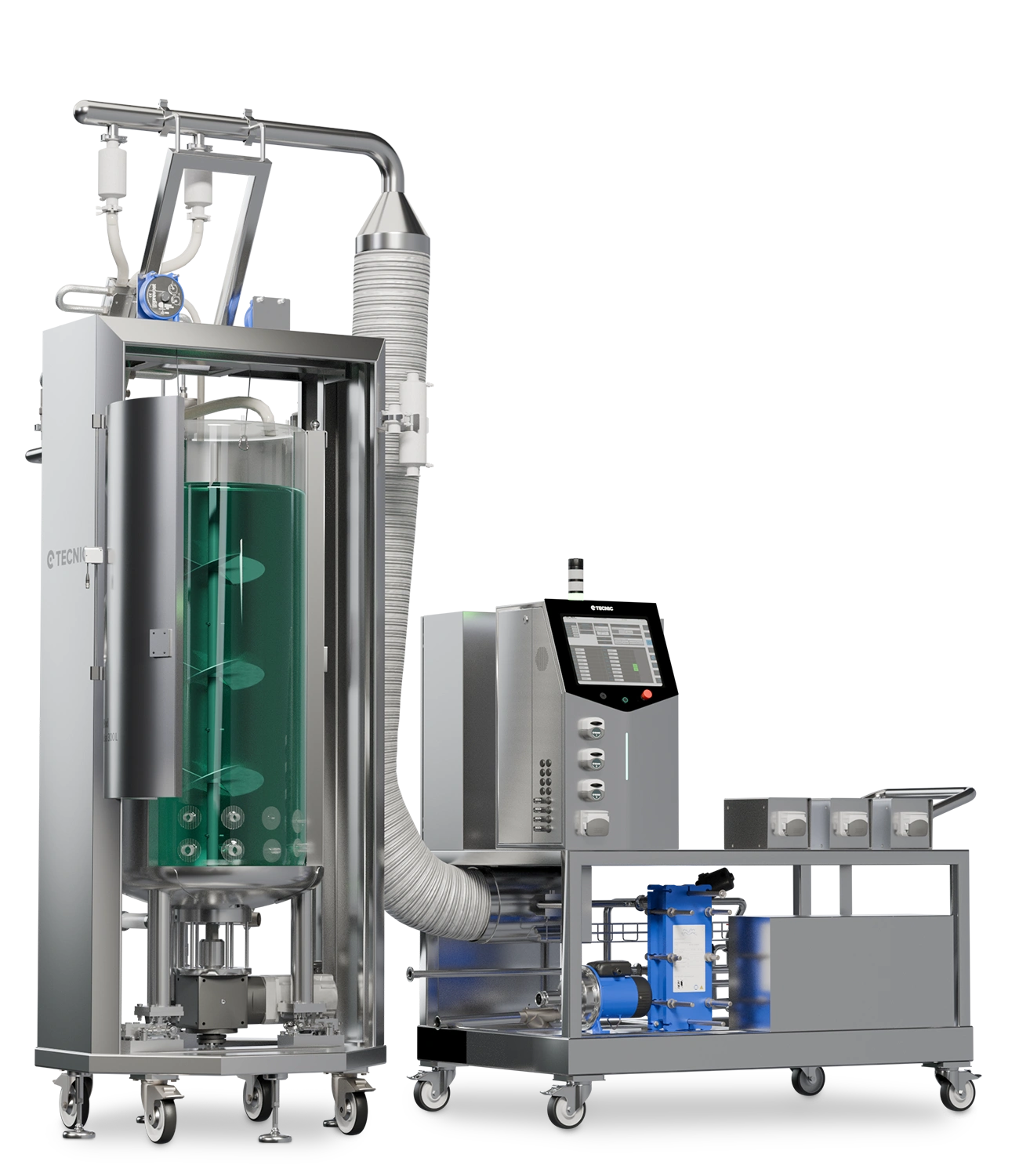
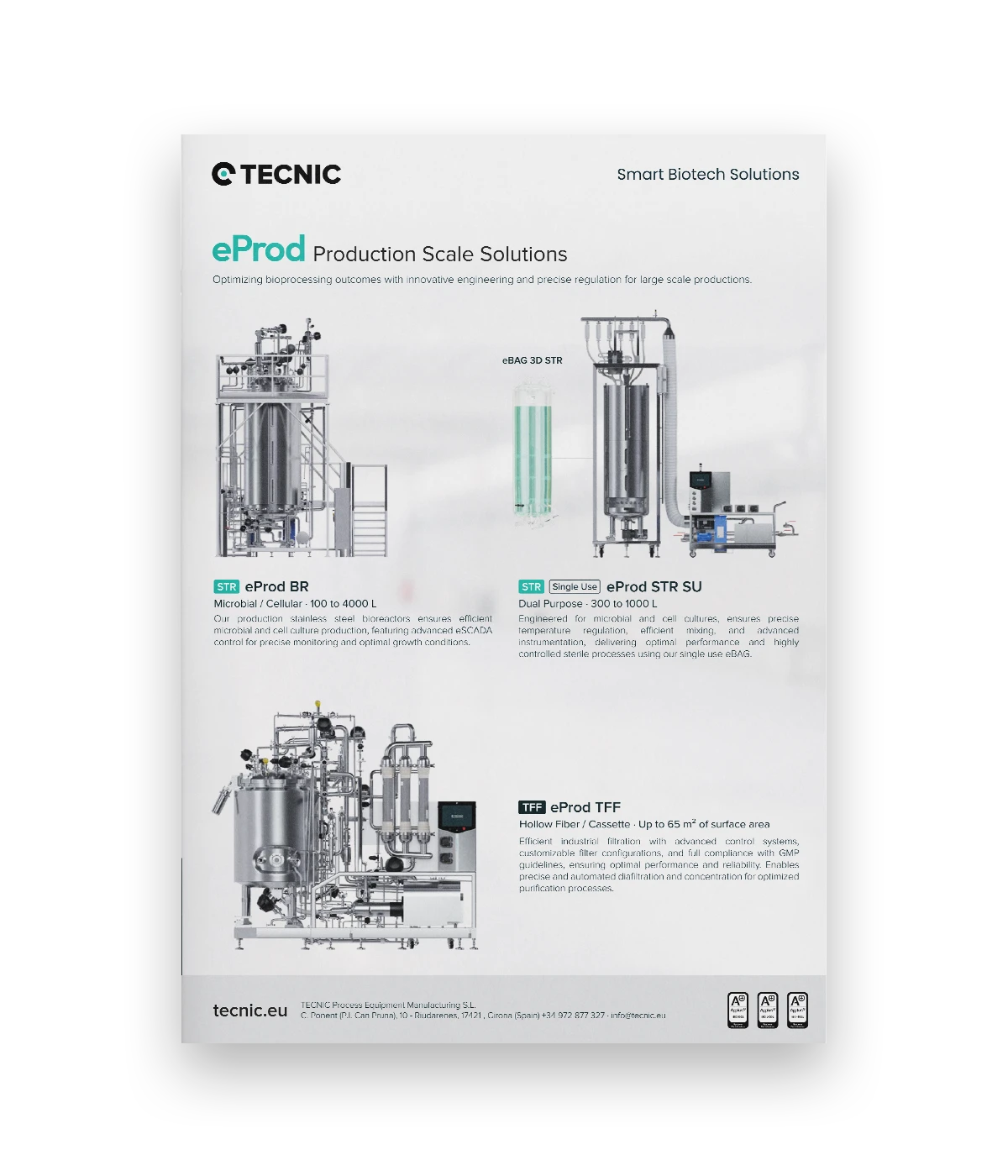
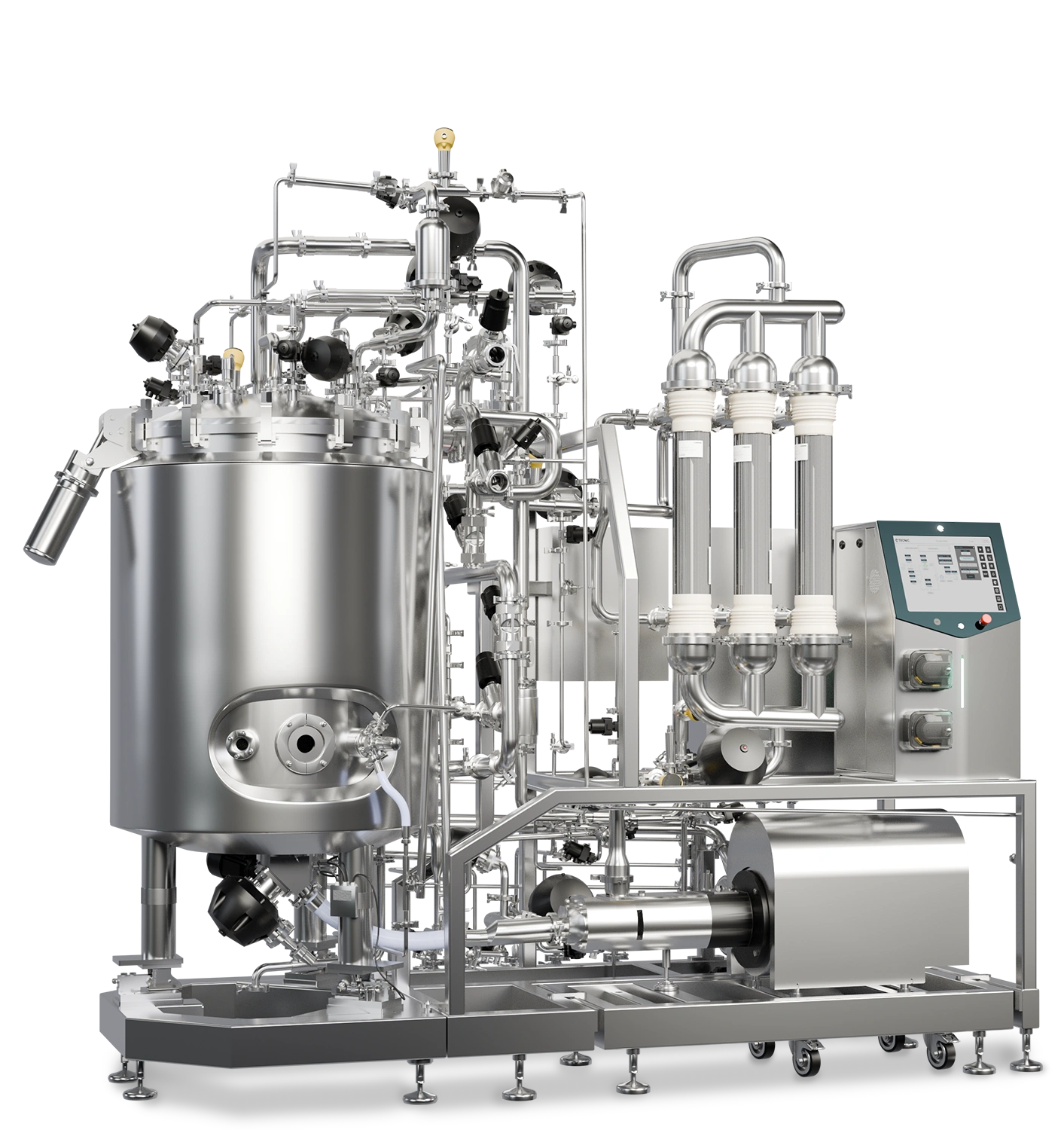
| eProd TFF | Production | Multi-use | Up to 65 m² | UF, DF, buffer exchange, clarification | Production-scale downstream execution with broader operating capacity |
Explore TECNIC TFF platforms by application
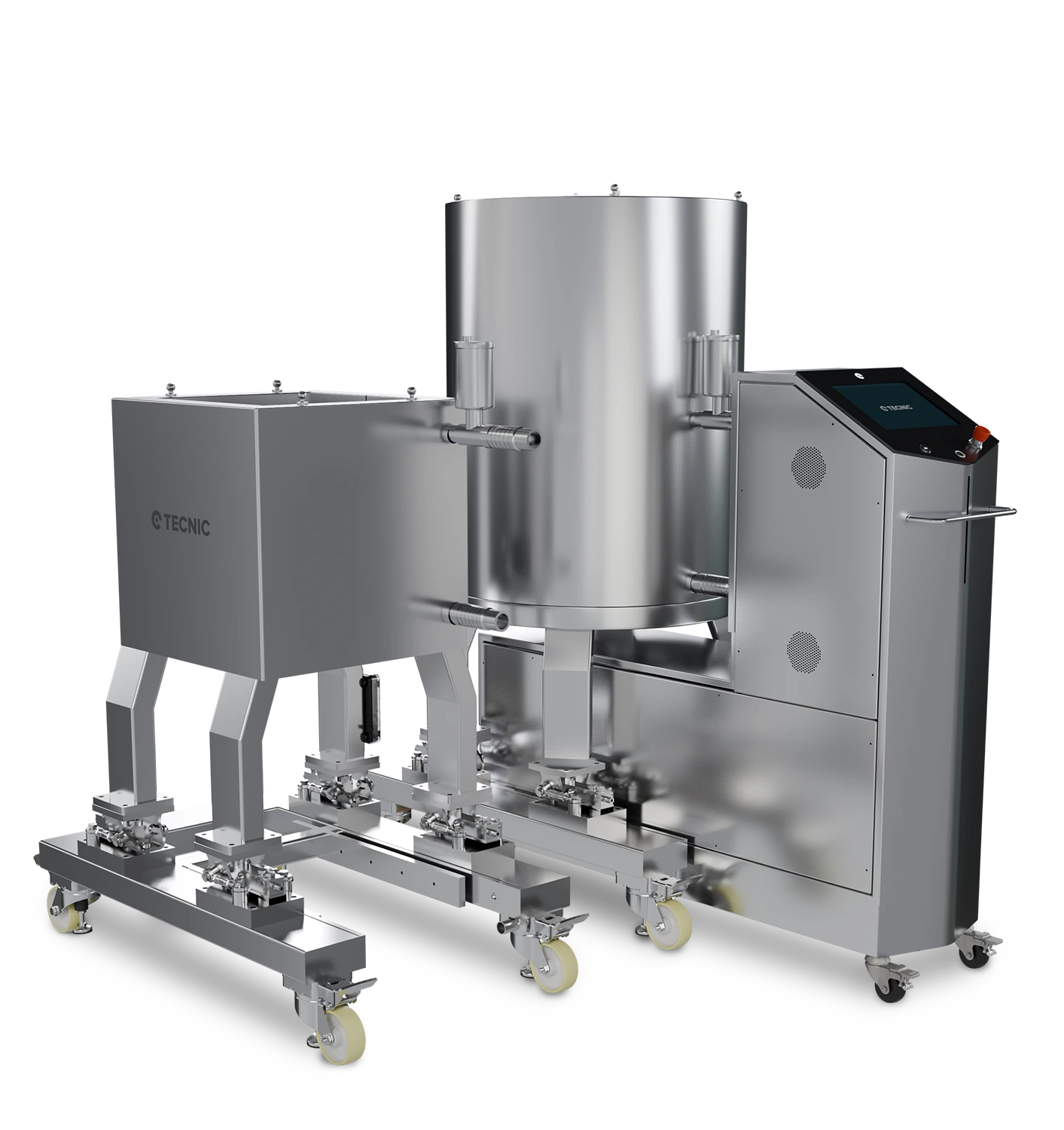
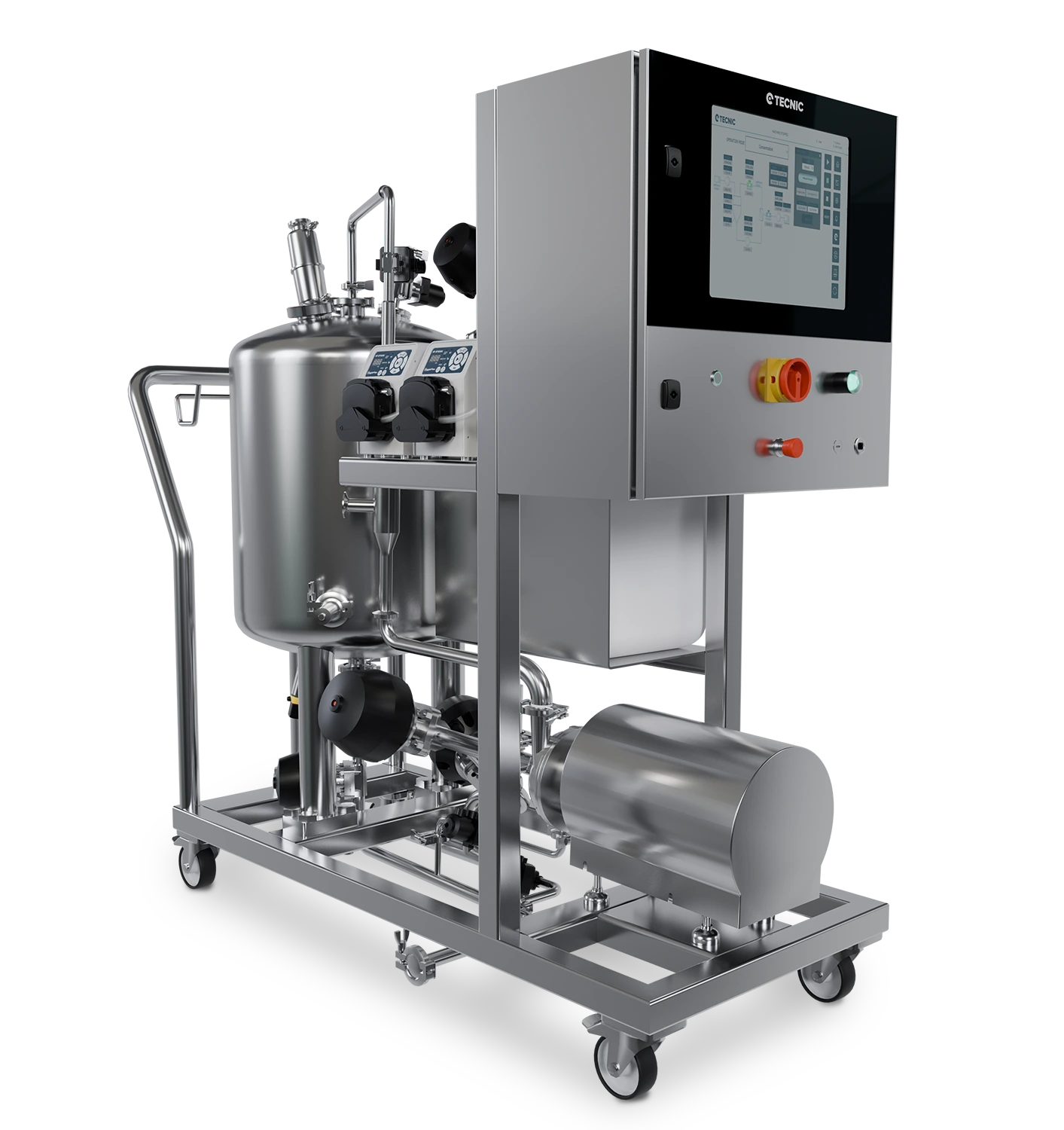
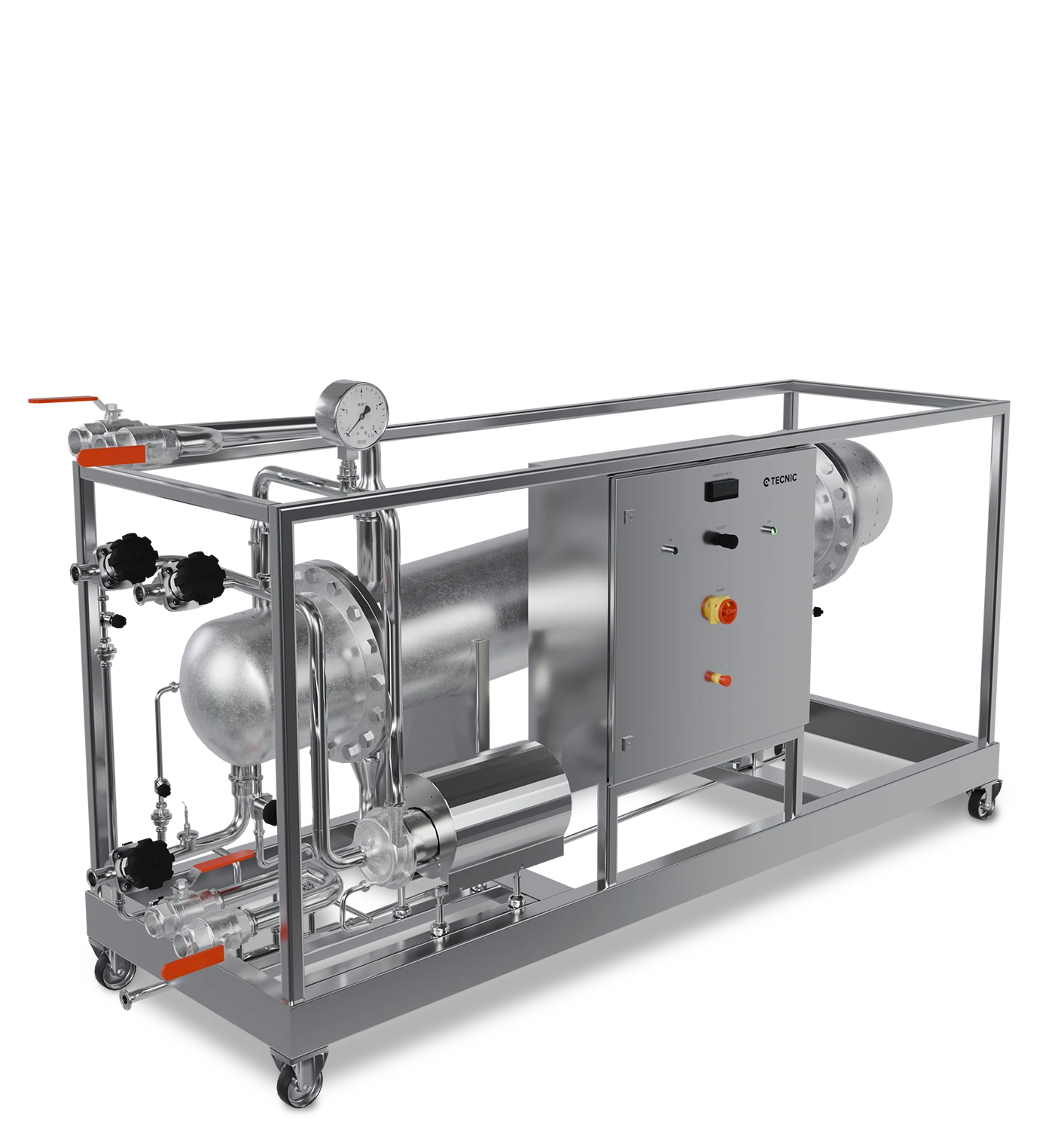
These are the current TECNIC TFF systems, reorganized here around ultrafiltration, diafiltration and buffer exchange workflows to support application-led navigation more clearly.
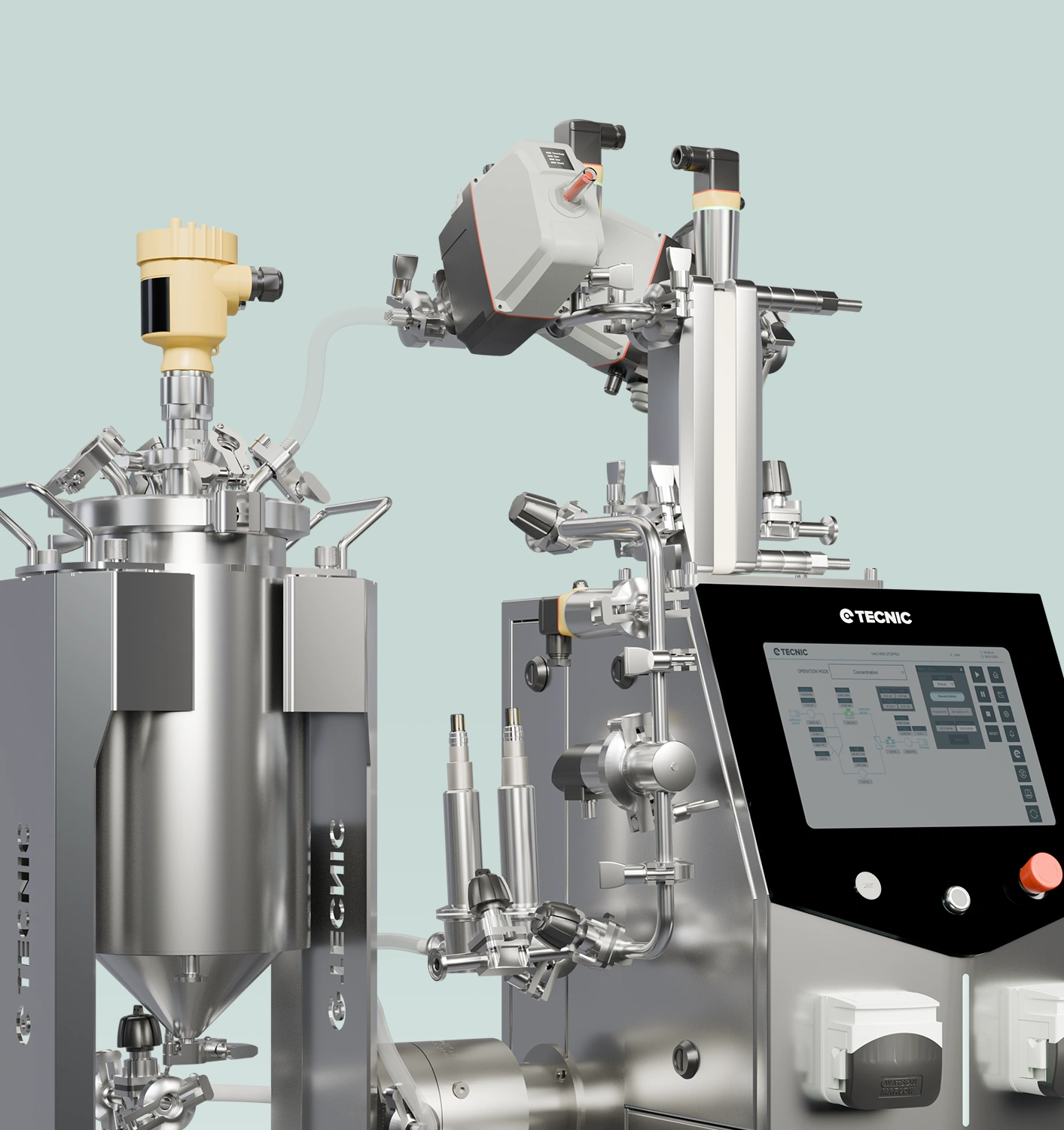
eLab TFF
Laboratory TFF system for ultrafiltration, diafiltration and buffer exchange development workflows.
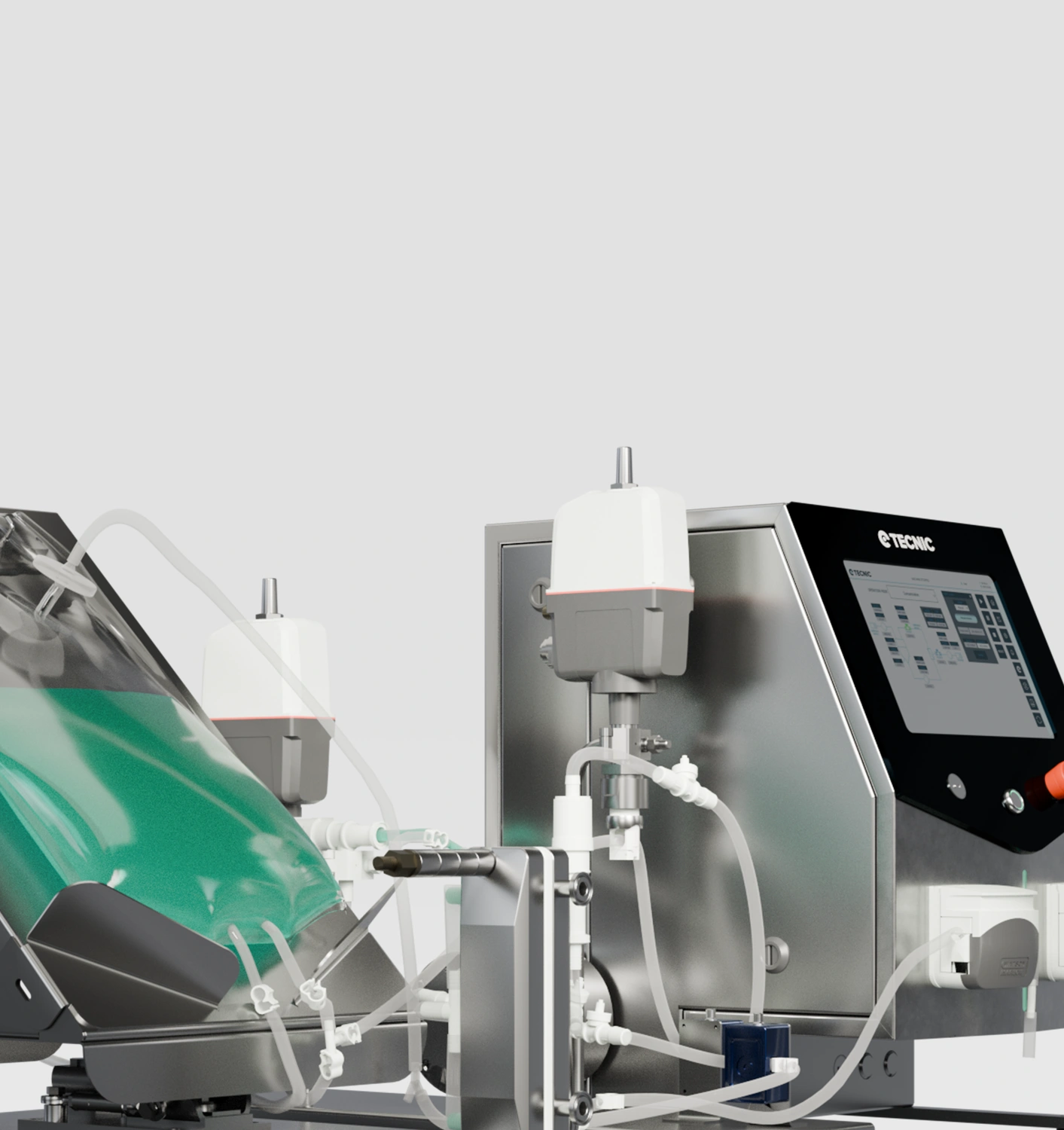
eLab TFF SU
Single-use laboratory TFF system for flexible UF/DF and buffer exchange process work.
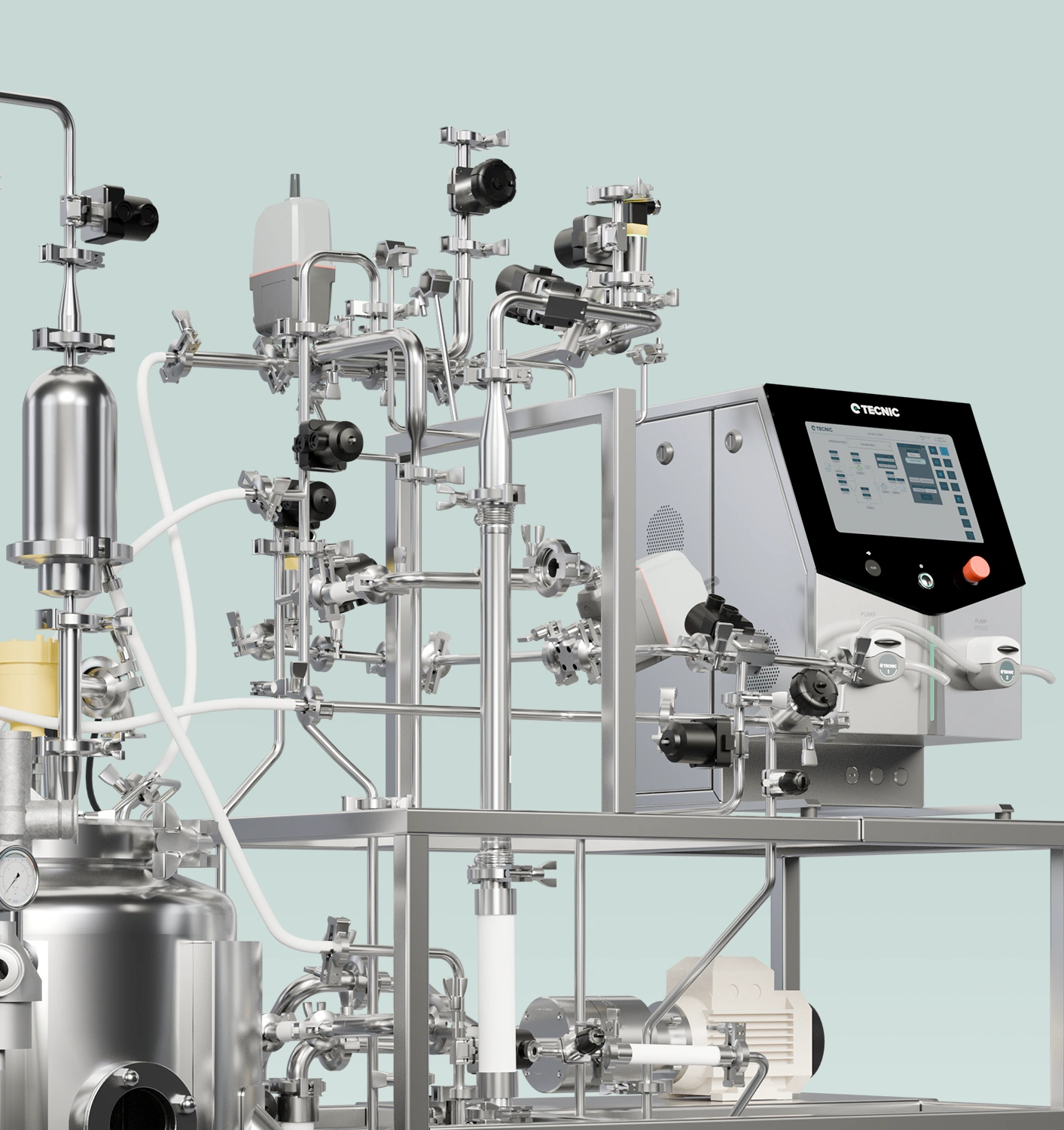
ePilot TFF
Pilot TFF system for scale-up, ultrafiltration, diafiltration and buffer exchange at larger process volumes.
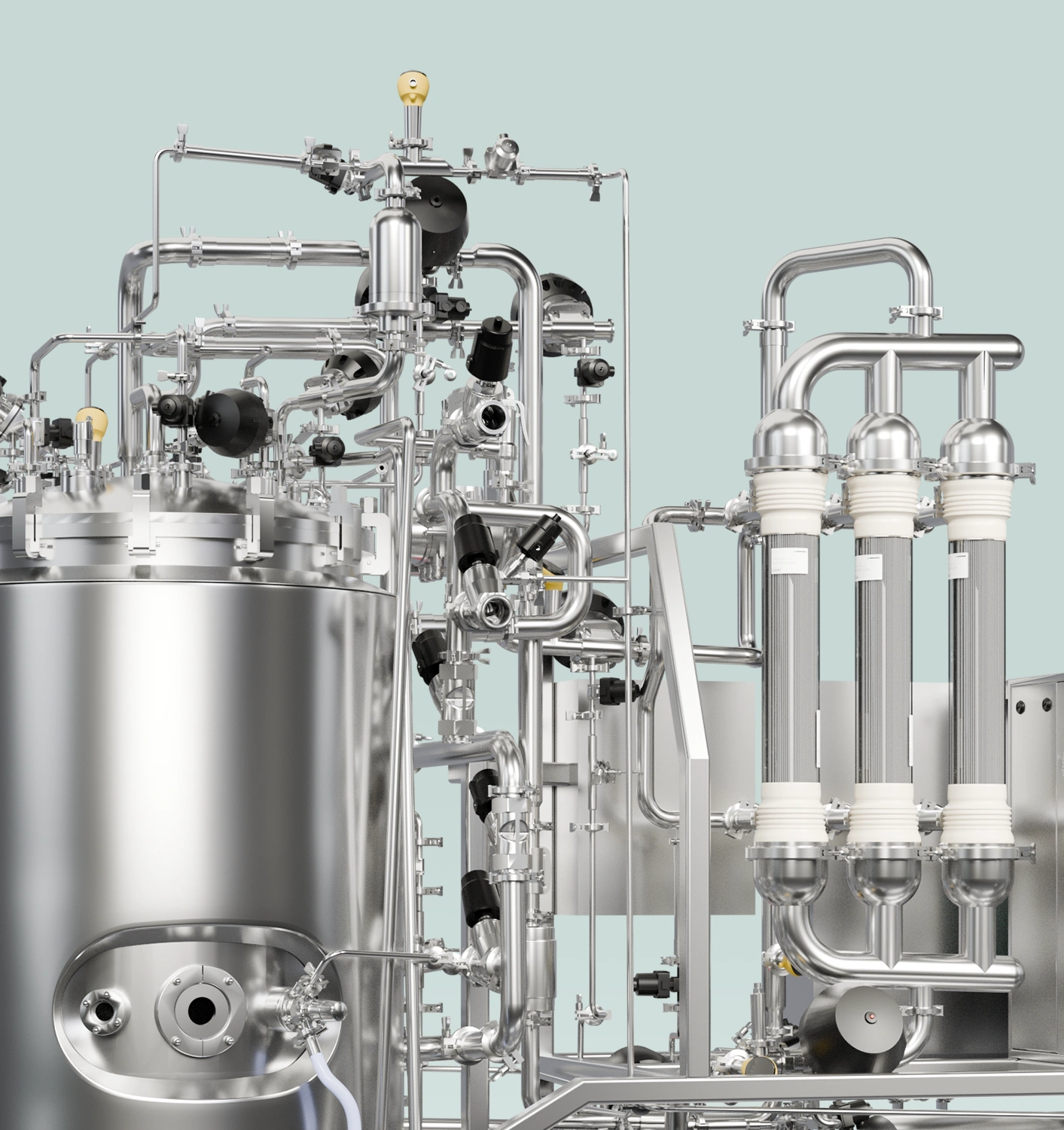
eProd TFF
Production TFF system for larger-scale ultrafiltration, diafiltration, buffer exchange and clarification workflows.
Related TFF pathways
Explore the TECNIC tangential flow filtration range through four connected decision paths, by technology, by application, by scale and by membrane format.
Single-use and multi-use TFF systems
Compare reusable and single-use tangential flow filtration strategies across the range.
TFF systems for ultrafiltration, diafiltration and buffer exchange
Compare TFF systems through the downstream task they need to perform.
Lab, pilot and production TFF systems
Review the TFF portfolio through laboratory, pilot and production stages.
Cassette, hollow fiber and ceramic TFF systems
Compare TFF routes through membrane format and filtration configuration.
Frequently asked questions
What is the difference between ultrafiltration and diafiltration in TFF?
Ultrafiltration is generally used for concentration and selective retention, while diafiltration is used to wash the retained product and remove smaller solutes through controlled buffer replacement.
Is buffer exchange the same as diafiltration?
Buffer exchange is usually achieved through diafiltration. In practice, it is one of the most common reasons for running a diafiltration step inside a TFF workflow.
Can the same TFF platform support UF, DF and buffer exchange?
Yes. The TECNIC TFF range is structured to support ultrafiltration, diafiltration and buffer exchange workflows across different scales, depending on the platform and process requirements.
Which TECNIC TFF platform is the starting point for laboratory application work?
The current range starts with eLab TFF in multi-use and eLab TFF SU in single-use, both supporting laboratory-scale downstream filtration workflows.
How do I compare TFF systems by application?
Start with the downstream objective, whether it is concentration, washing or buffer replacement. Then compare the TECNIC platform that best supports that application at the required scale.
Need the right TFF system for your downstream application?
Explore TECNIC TFF systems for ultrafiltration, diafiltration and buffer exchange, and review the platform family that best fits your downstream workflow.