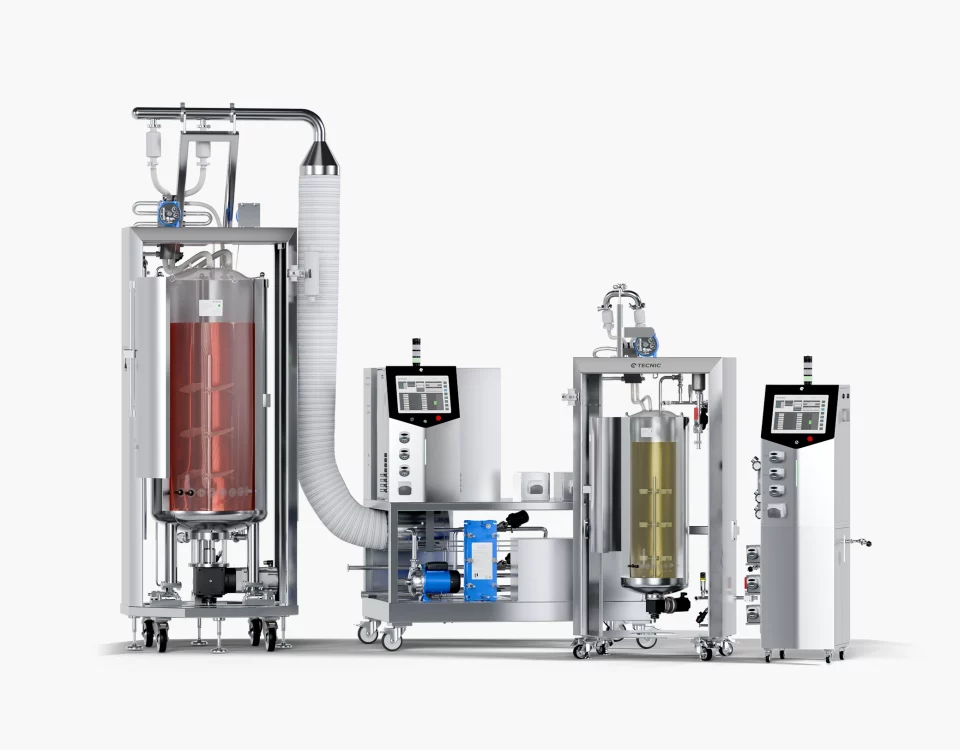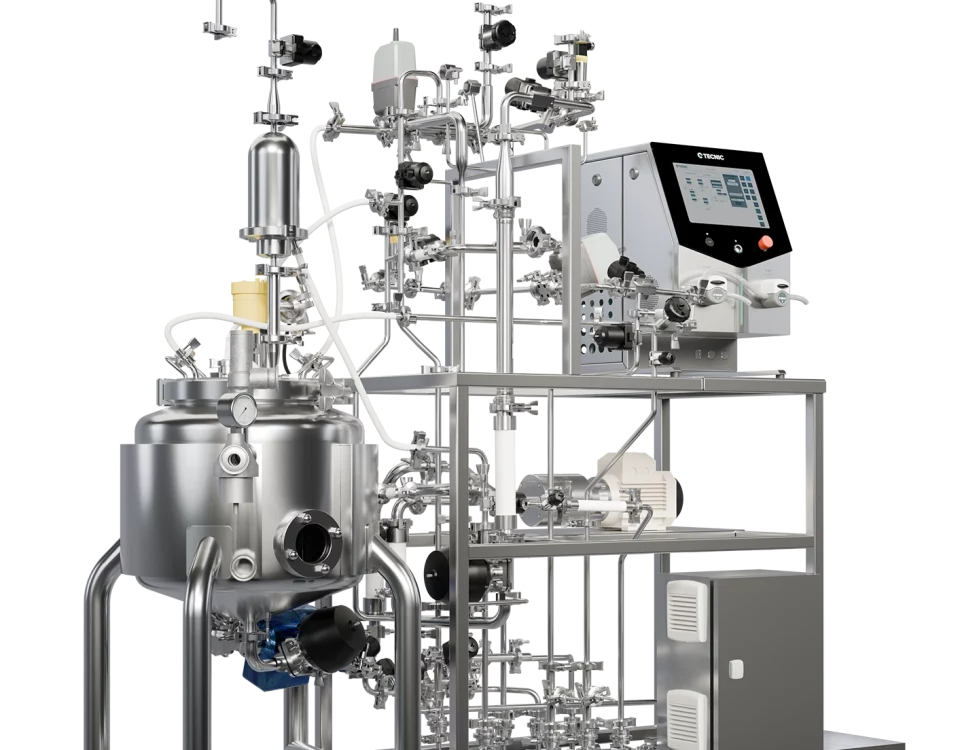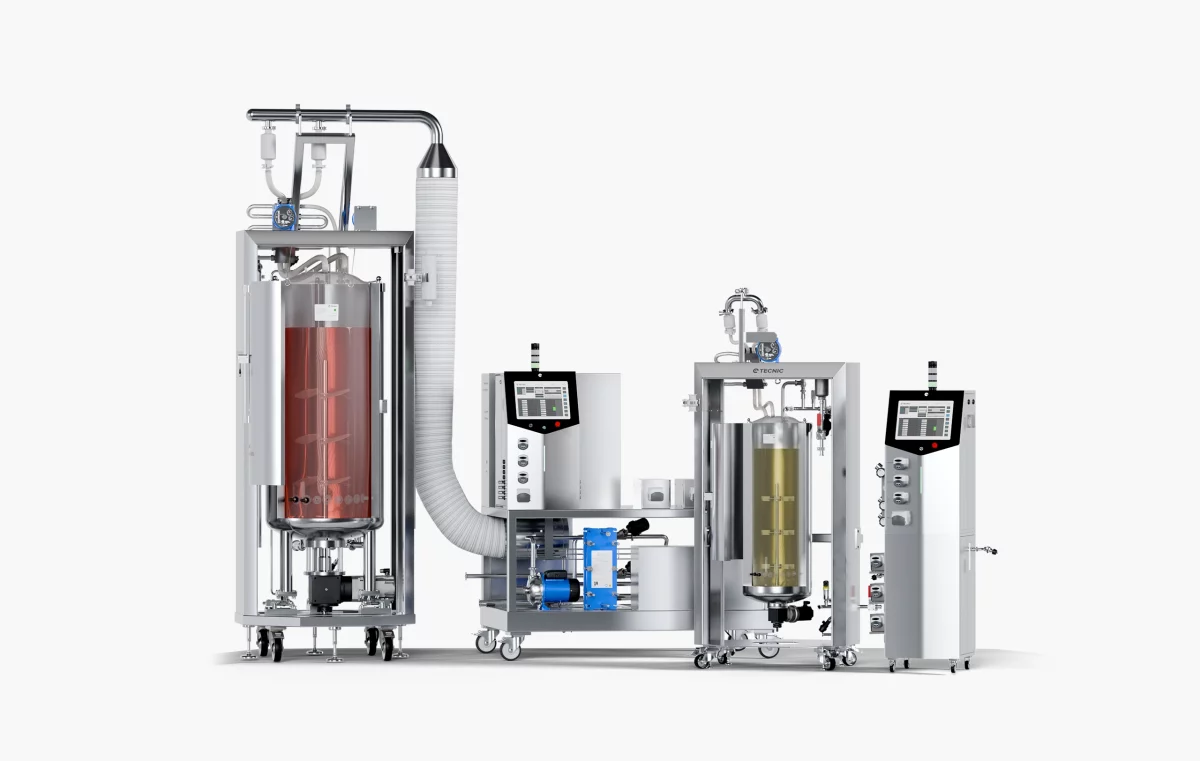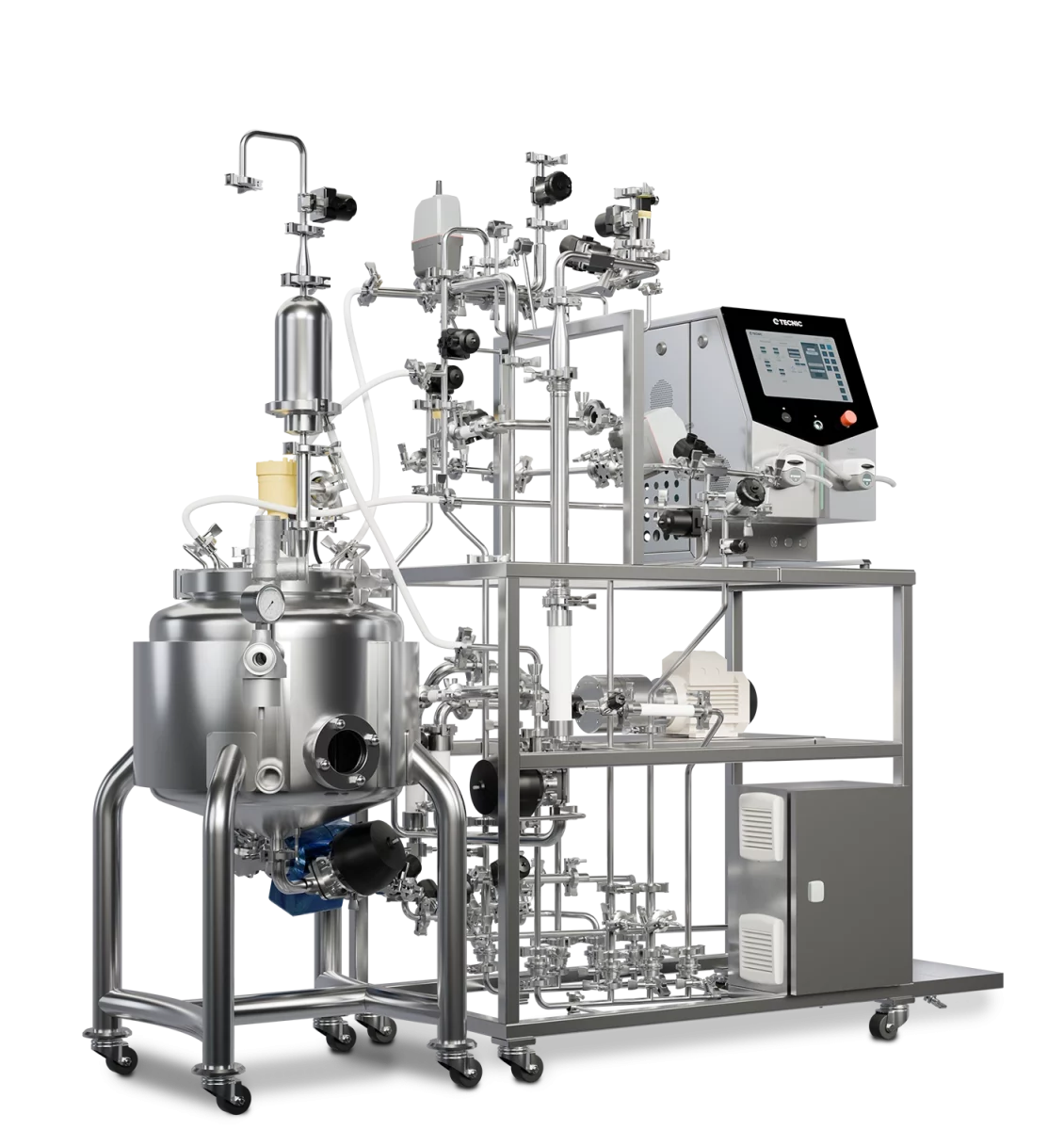
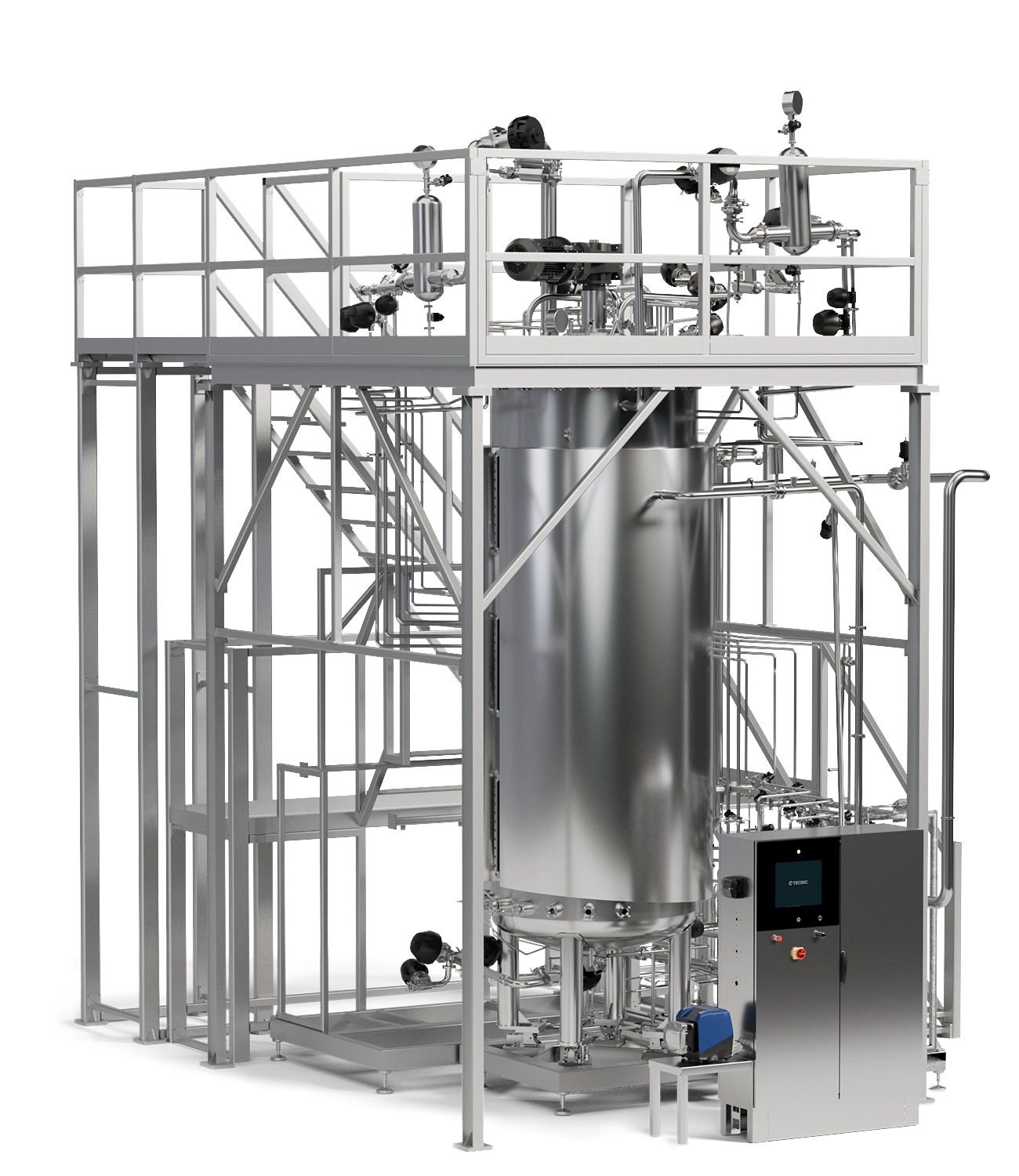
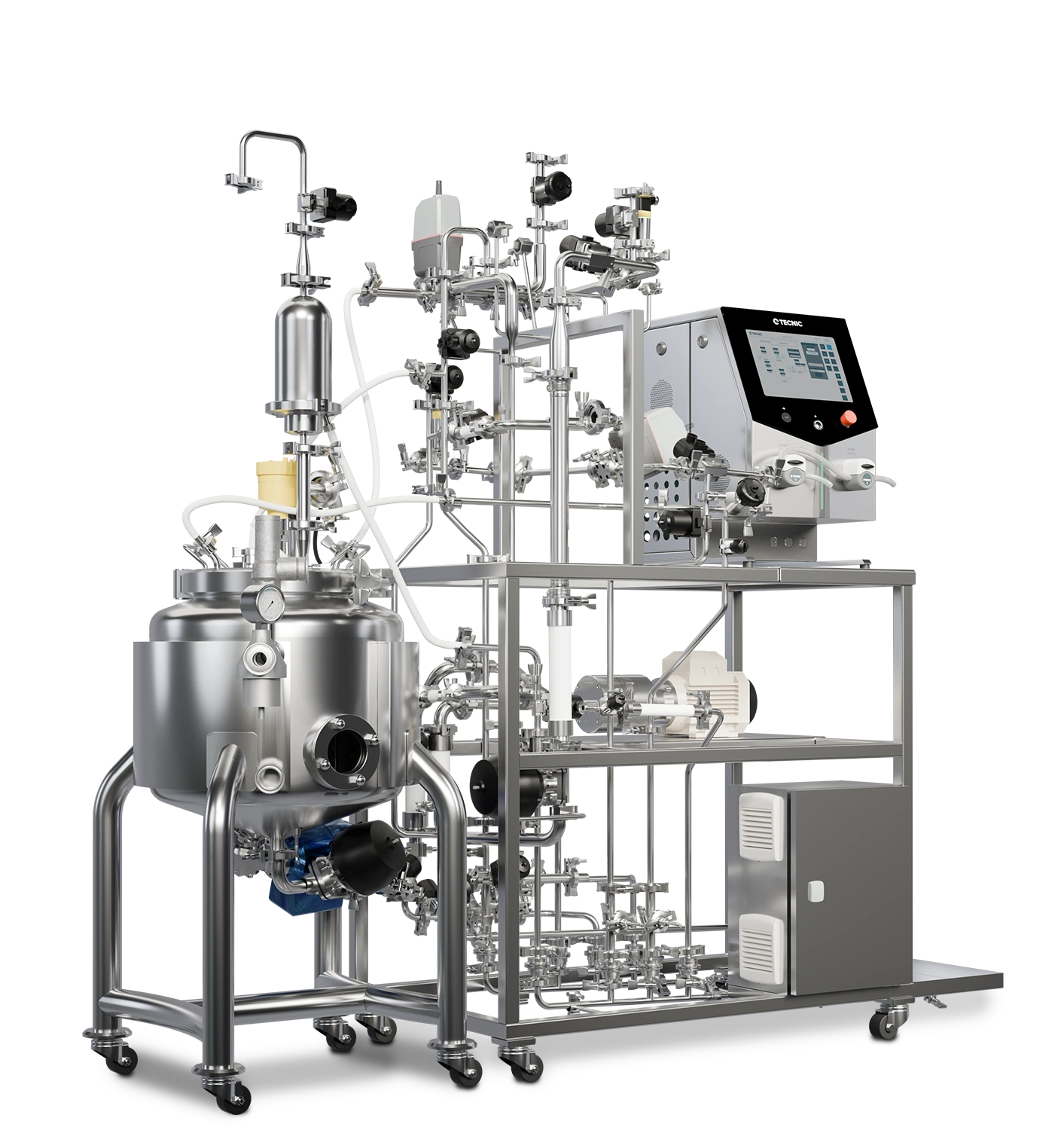
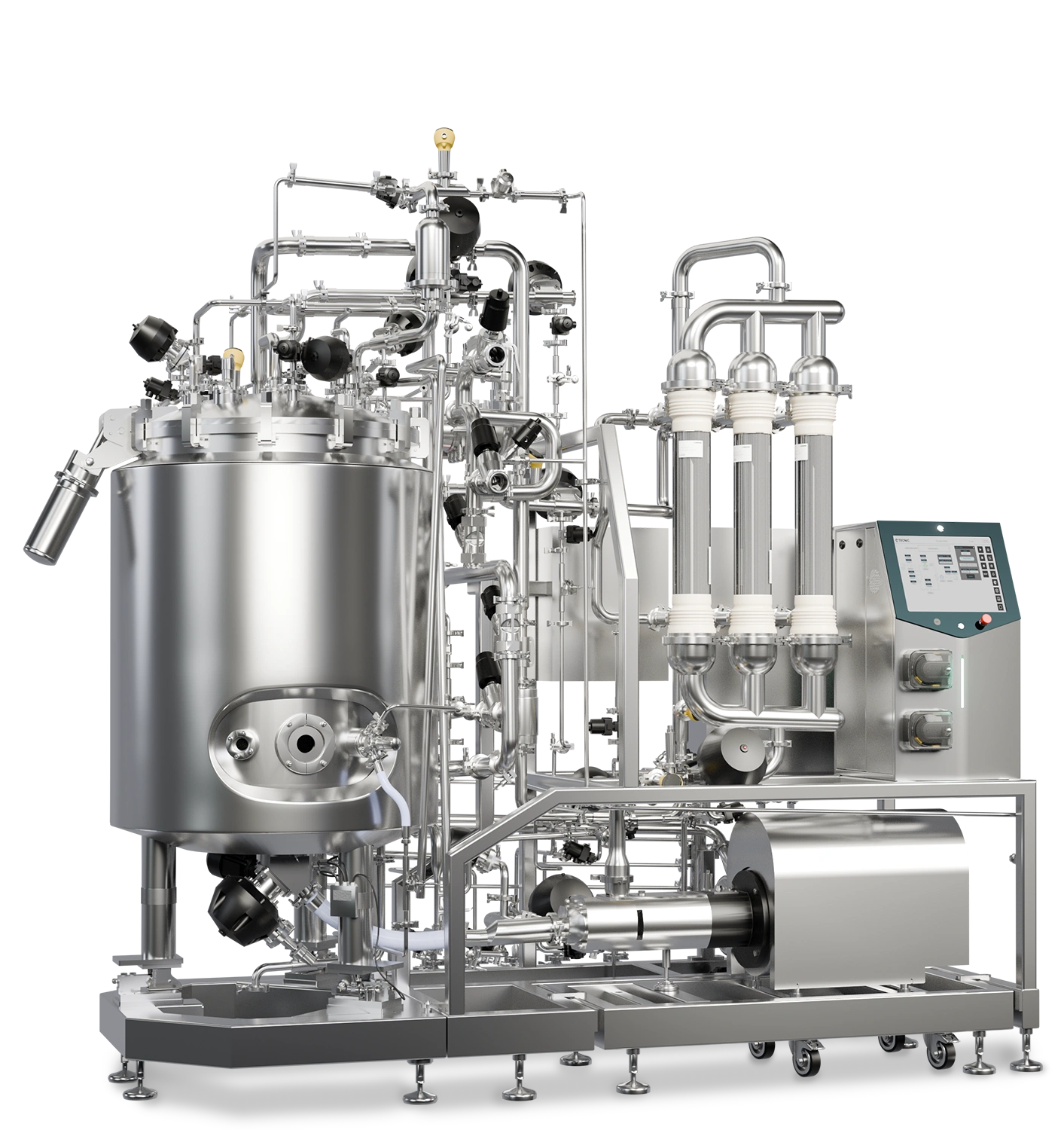
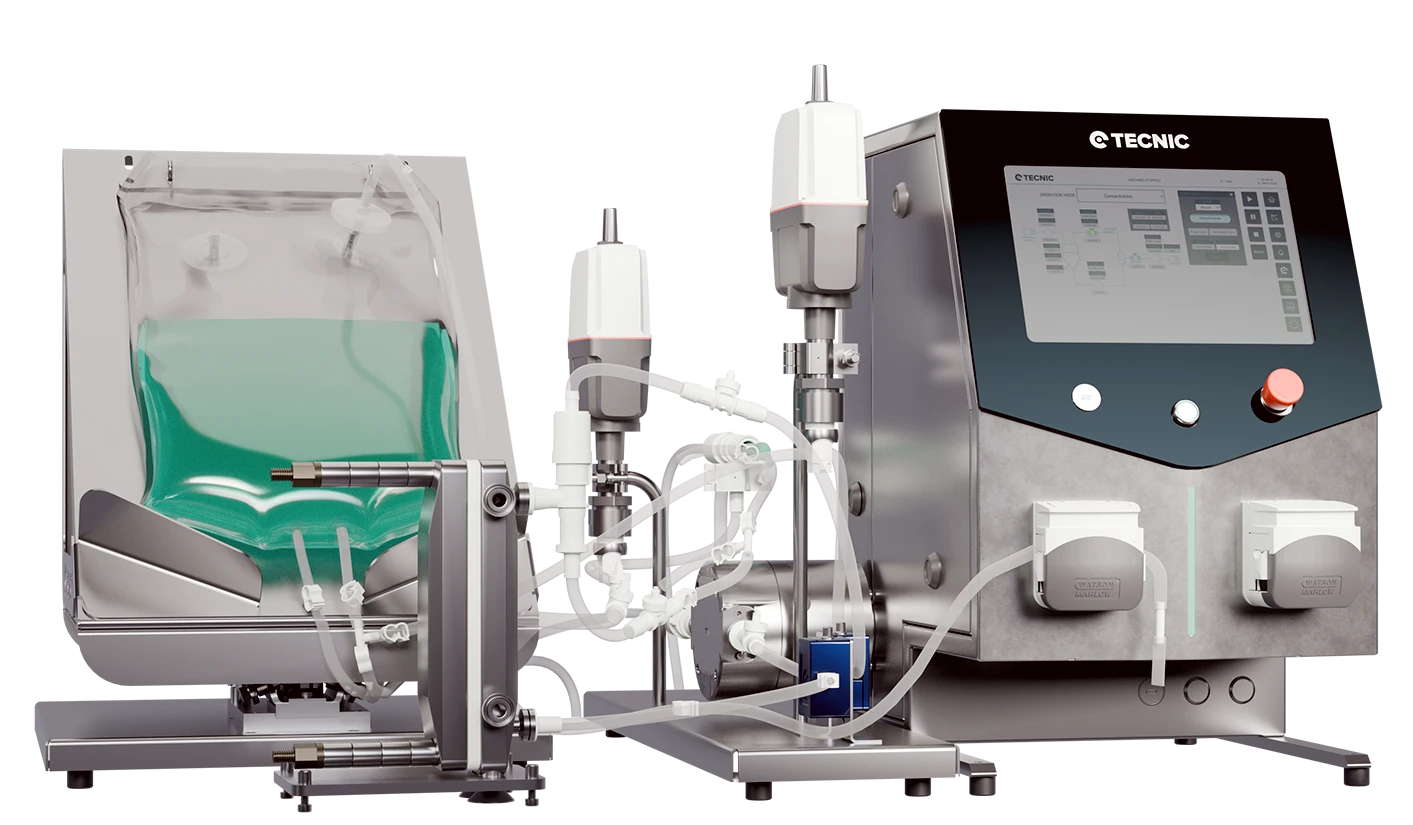
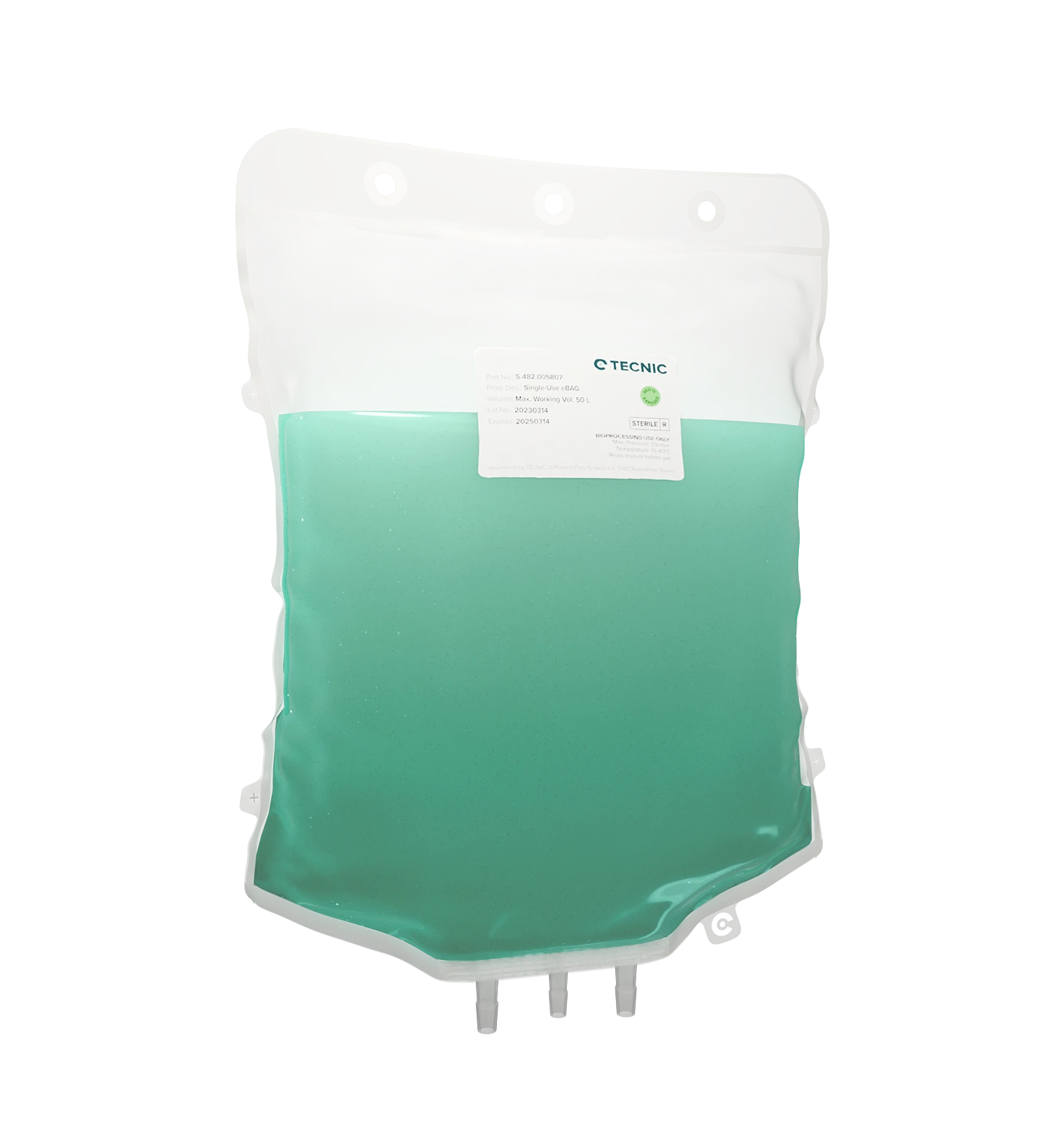

Single-use systems in bioprocessing are not limited to one disposable bag or one isolated consumable. They are process-ready assemblies that can include bags, vessels, sensors, tubing, filters and support equipment designed to reduce cleaning burden and simplify changeover between batches.
In practice, the value of a single-use strategy depends on how well those elements work together. A bag alone does not define performance. Geometry, porting, film structure, agitation method, sterility assurance, temperature limits and the equipment around the consumable all shape how the process behaves.
That is why a useful evaluation should go beyond convenience. It should also consider process fit, product sensitivity, hold-up, operator workflow, documentation, supply continuity and how the system scales from storage and mixing to upstream or downstream operations.
What single-use means in bioprocessing
Single-use in bioprocessing means that the product-contact path is based on disposable components prepared for one campaign or one defined use window, then replaced. Depending on the application, this may involve 2D bags, 3D bags, single-use vessels, assemblies with tubing and filters, or complete systems supported by mixers, tank frames or process equipment.
This approach is often adopted to reduce cleaning effort, avoid carryover risk between batches and increase operational flexibility. But single-use is not a shortcut. It is a process architecture that moves part of the complexity from cleaning and fixed hardware toward consumables design, inventory control and configuration discipline.
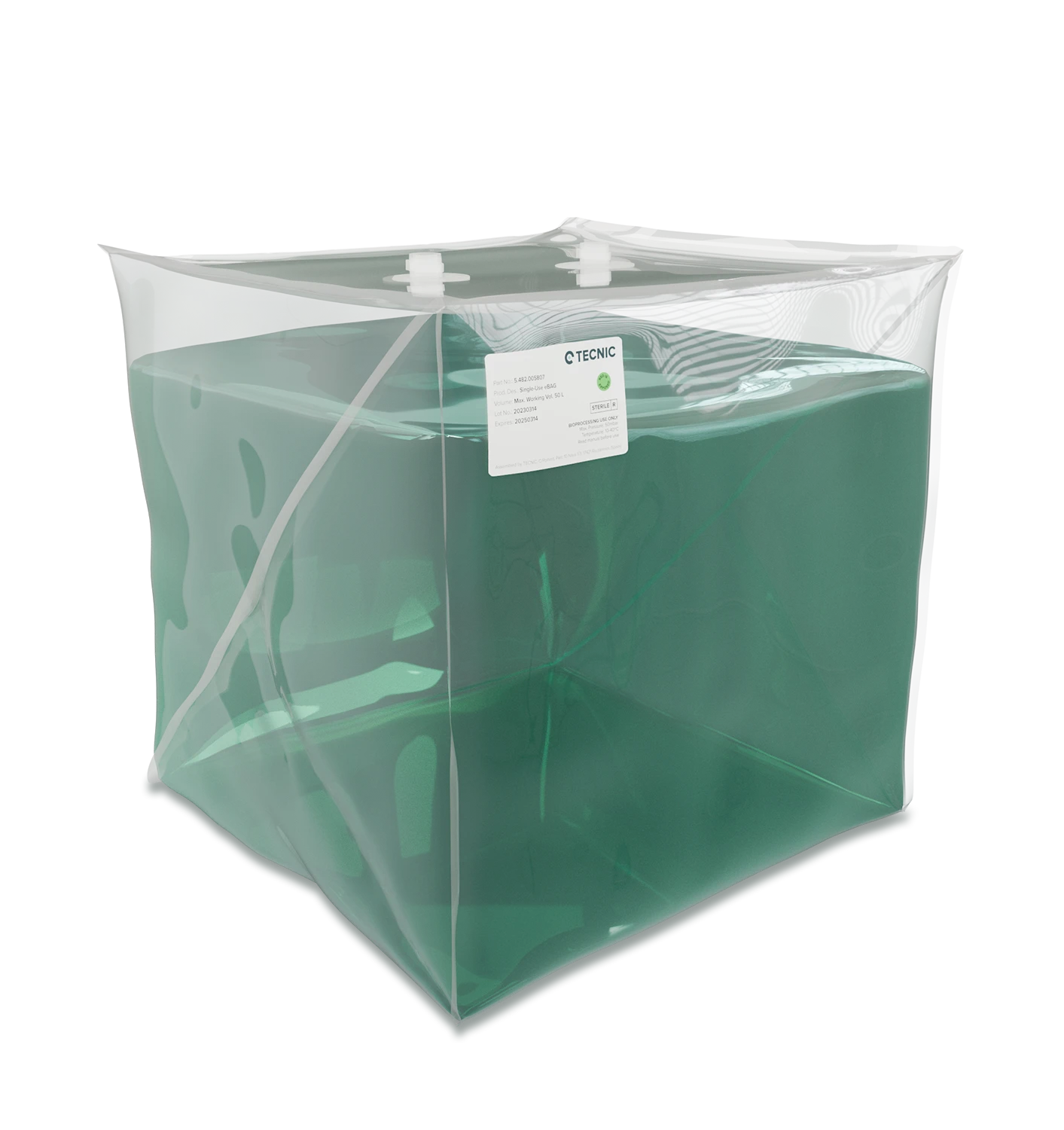
A good single-use strategy is not only about disposability. It is about making the whole workflow cleaner, faster and more predictable without losing process control.
Where single-use systems fit best
Single-use systems are especially useful in multiproduct environments, process development, smaller batch strategies, rapid changeover workflows and operations where avoiding repeated cleaning validation in the product-contact path has clear operational value.
Typical use cases
- Media and buffer preparation.
- Temporary storage and transfer.
- Single-use mixing.
- Seed train and upstream support operations.
- Specific downstream steps with dedicated bag and flow-path configurations.
The best fit usually appears where process agility matters more than keeping one fixed reusable product-contact path in service for long campaigns.
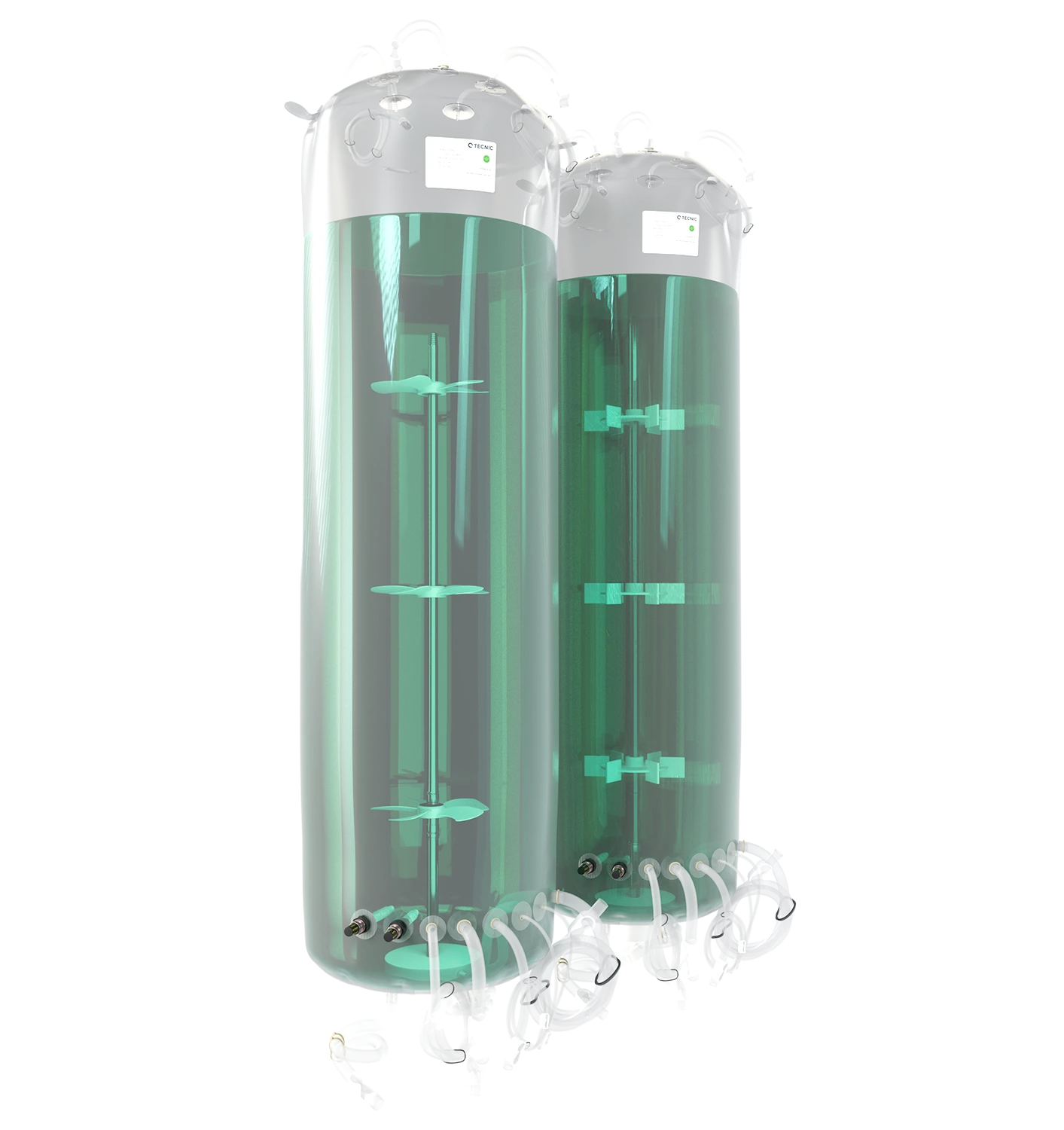
Bags, vessels and mixers, how they work together
One of the most common mistakes is to evaluate the consumable separately from the support equipment. In real use, the bag geometry, the vessel or tank frame and the agitation concept must behave as one system.
Single-use bags
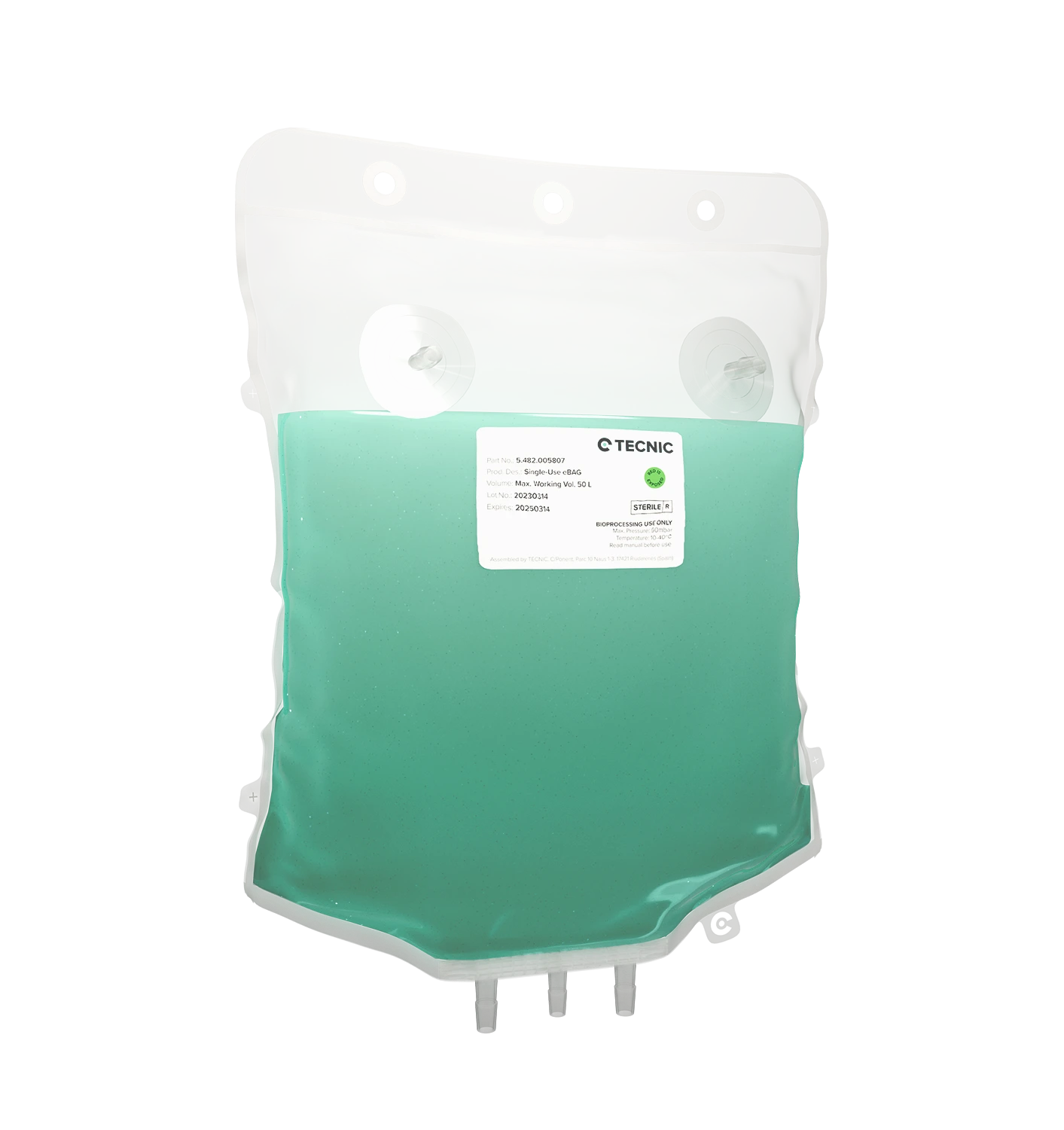
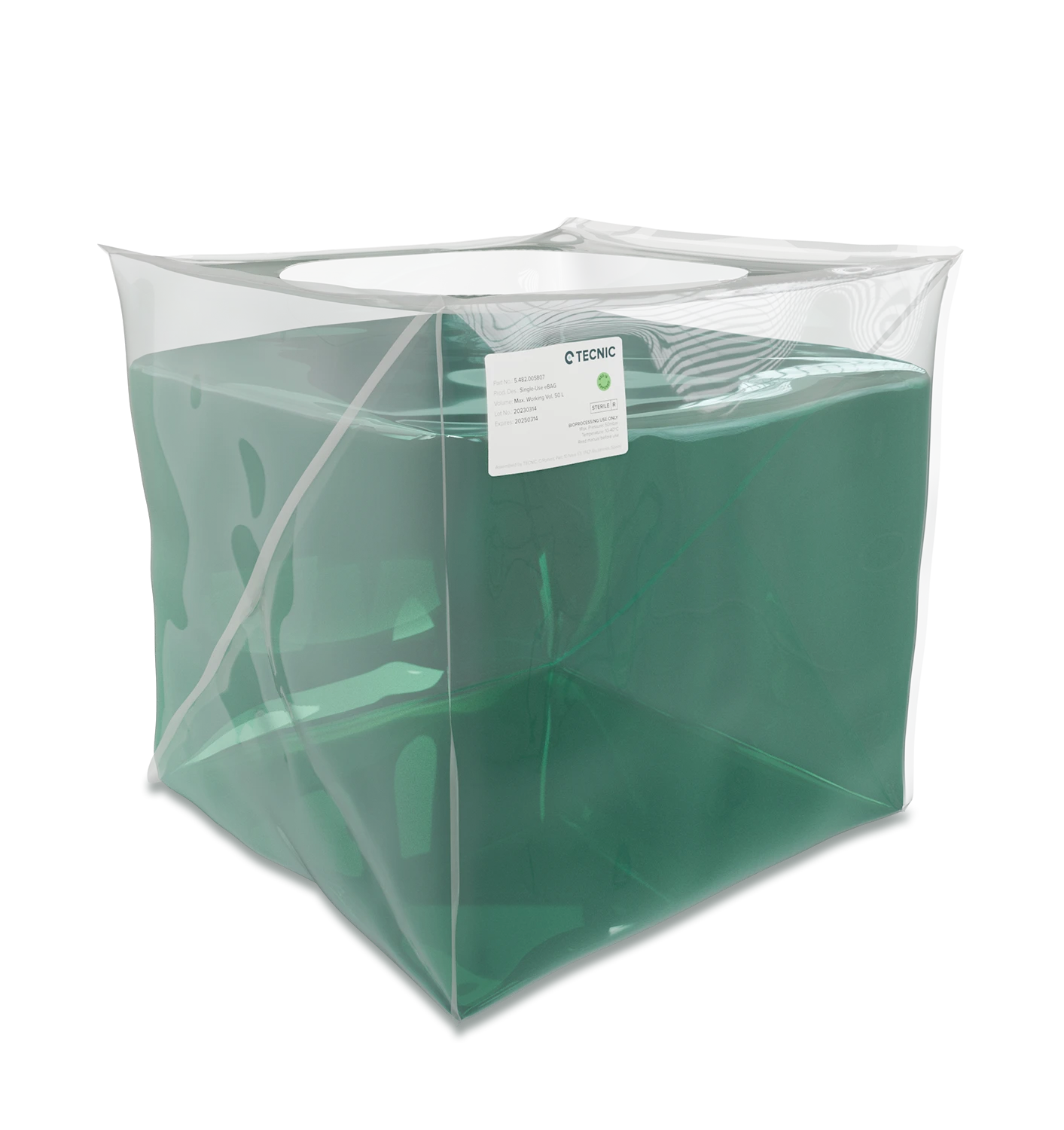
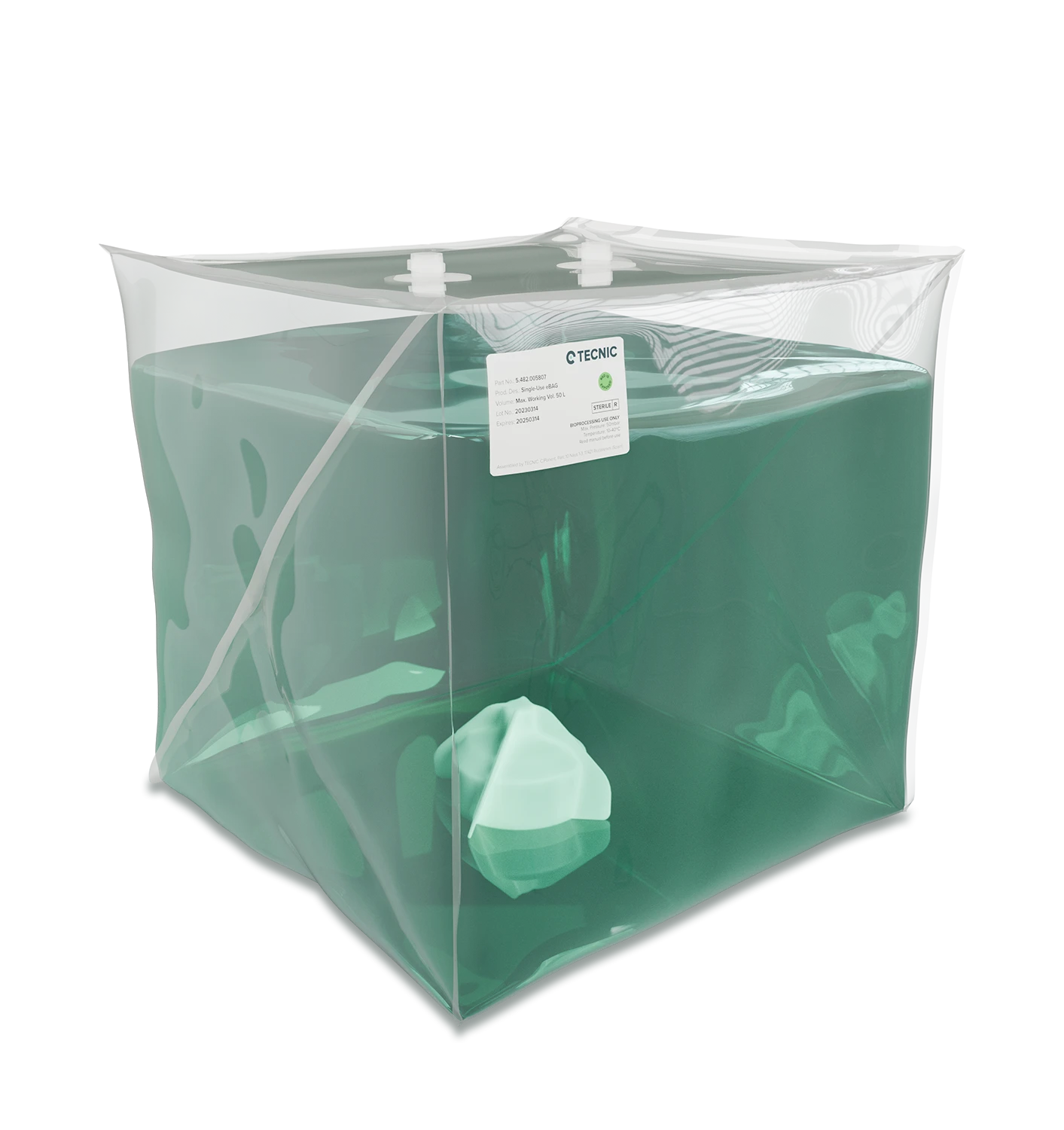
Bags can be designed for storage, mixing, open handling, TFF workflows or stirred-tank bioreactor applications. Port layout, tubing length, filters, sensor options and film structure all affect how practical that bag becomes in operation.
Single-use vessels
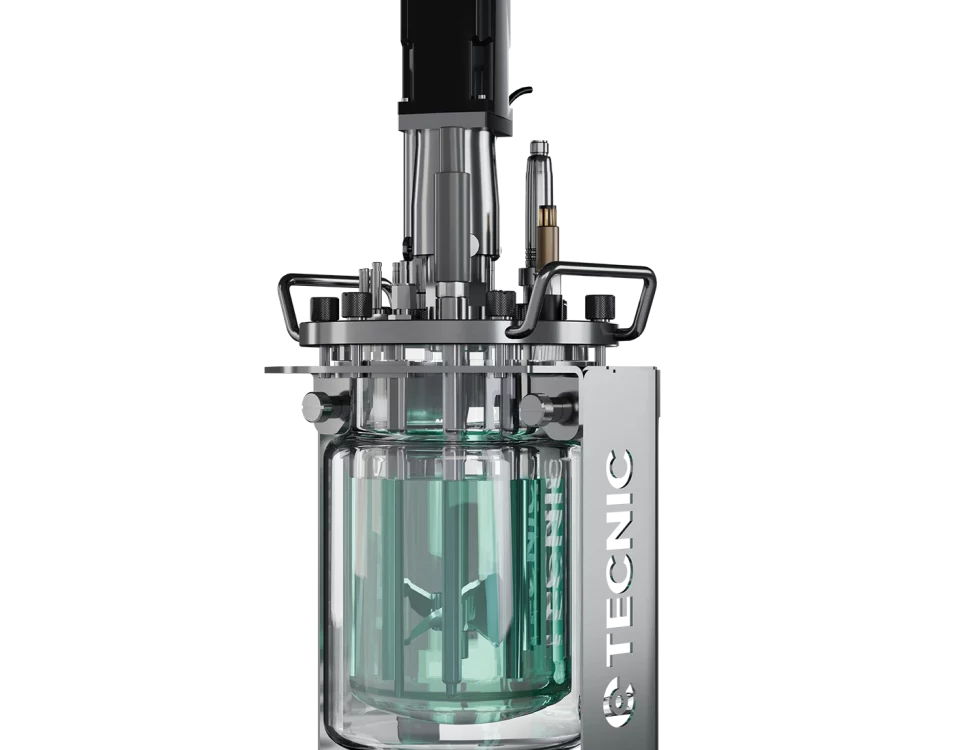
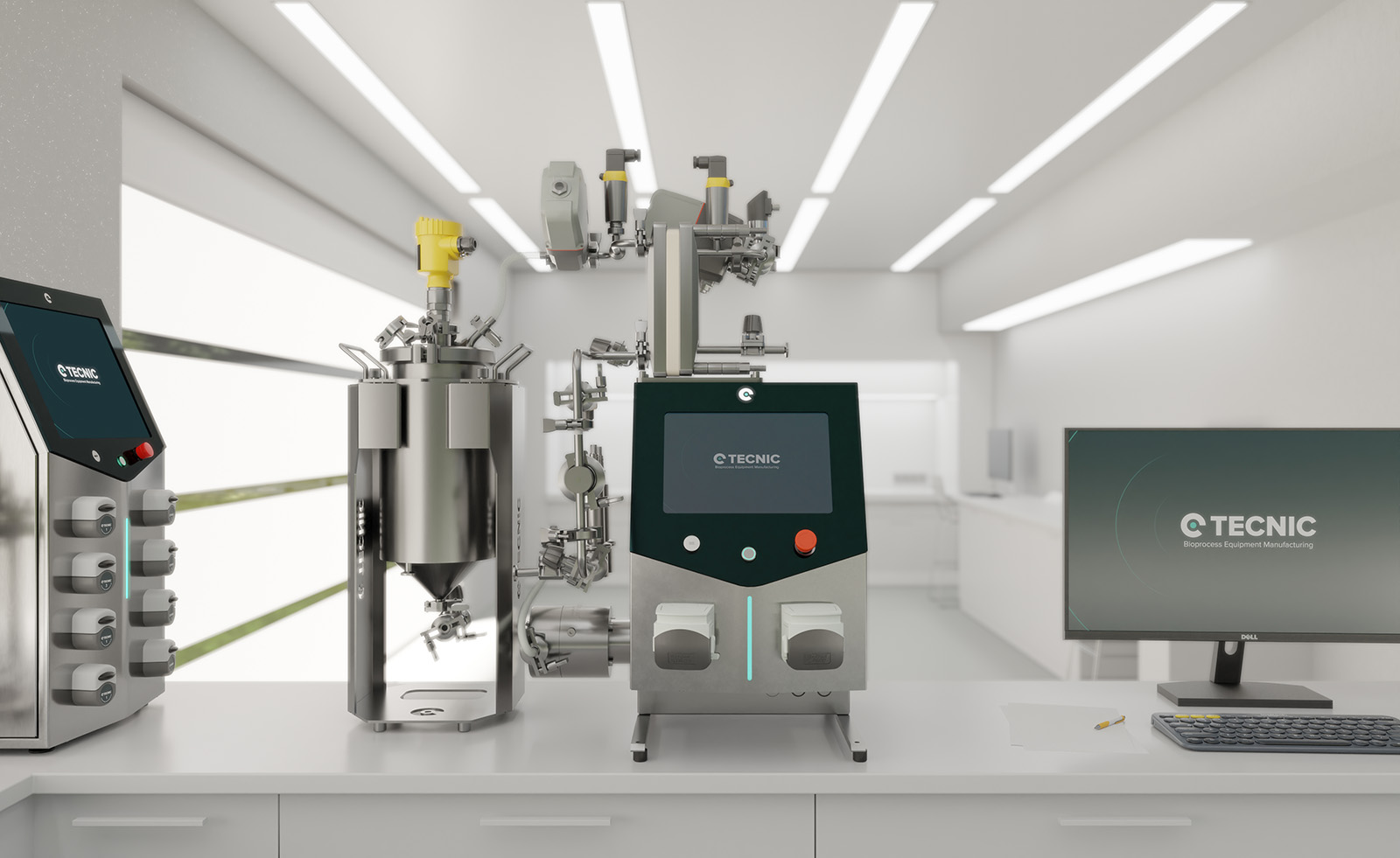
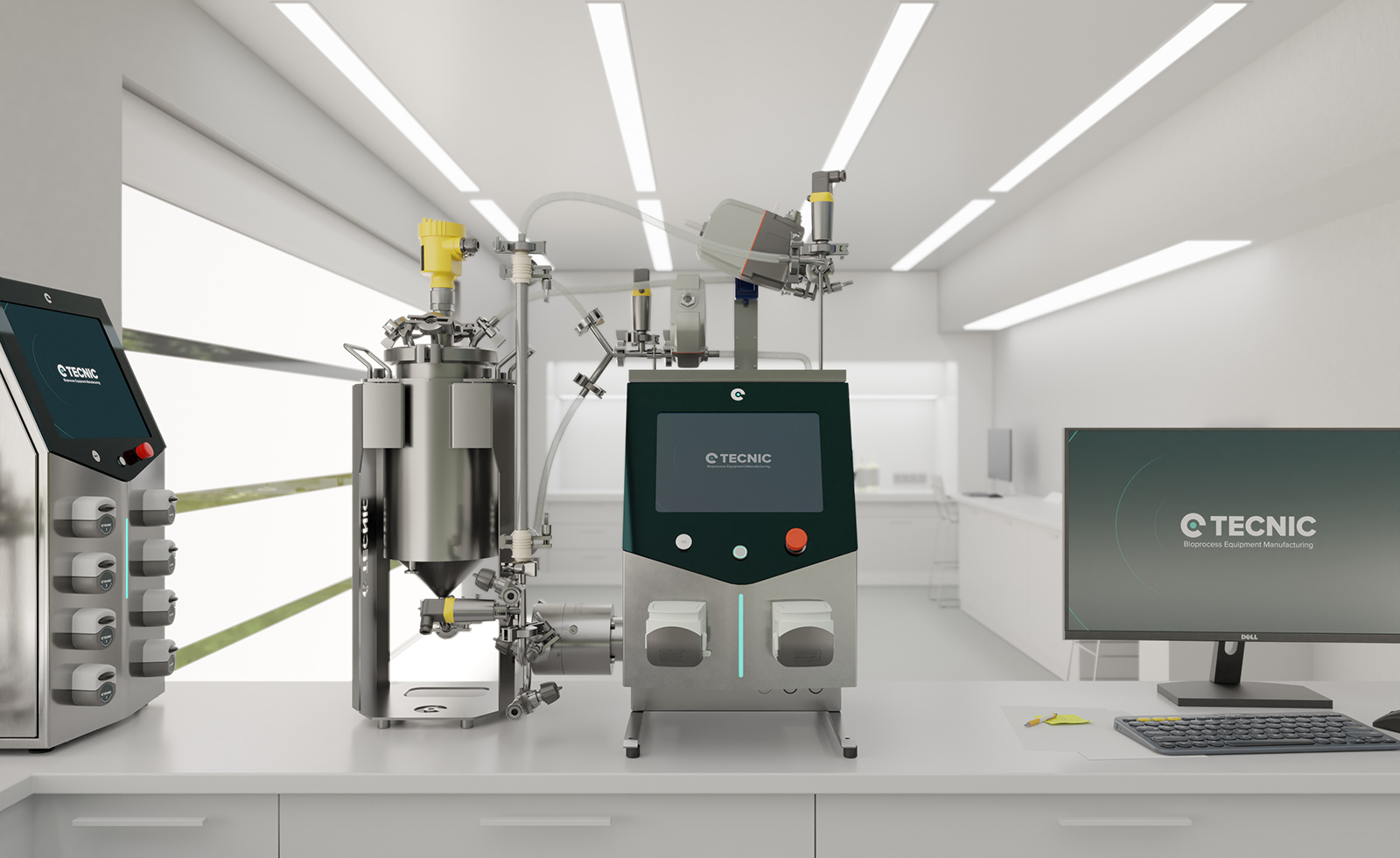
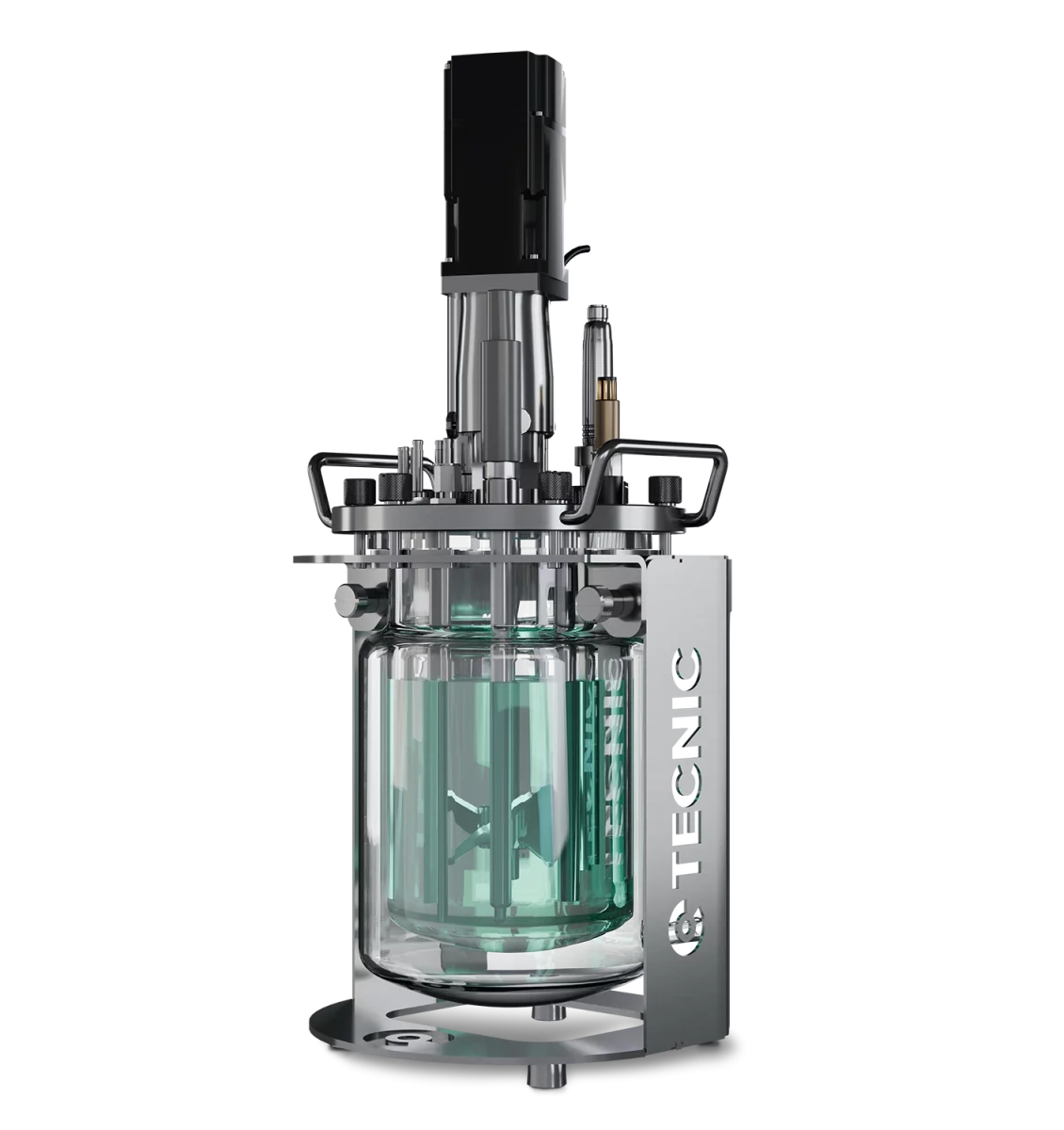
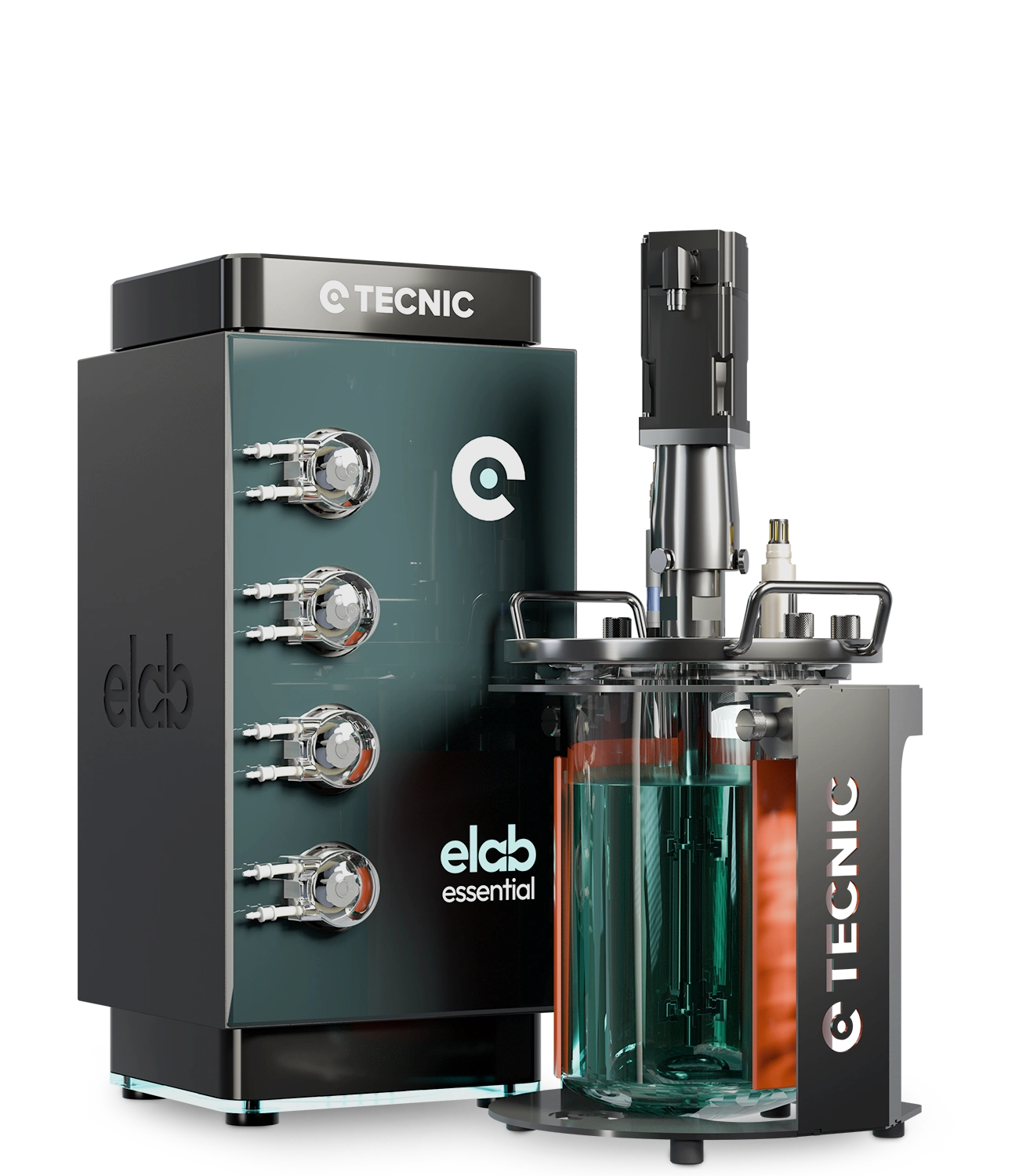
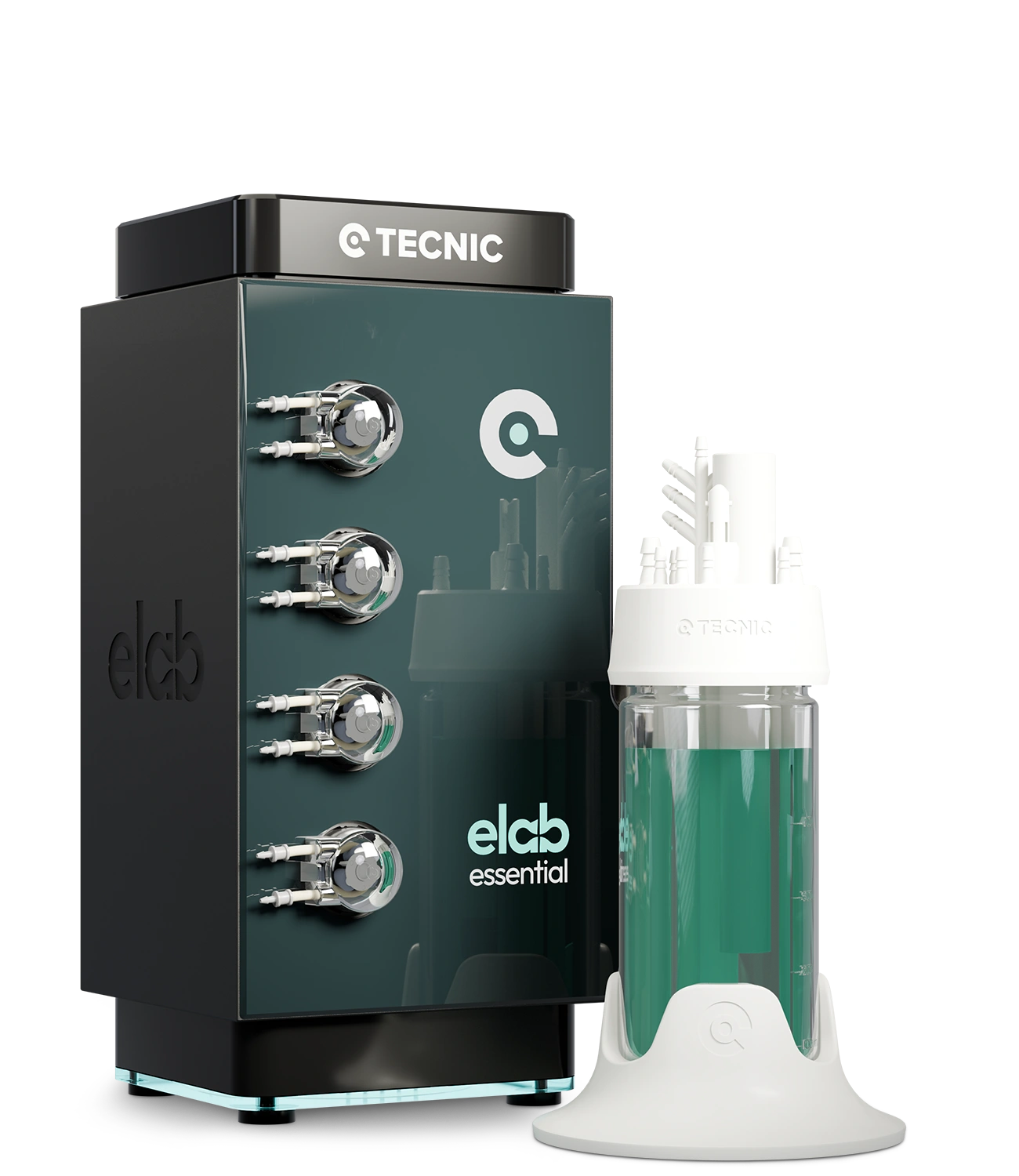
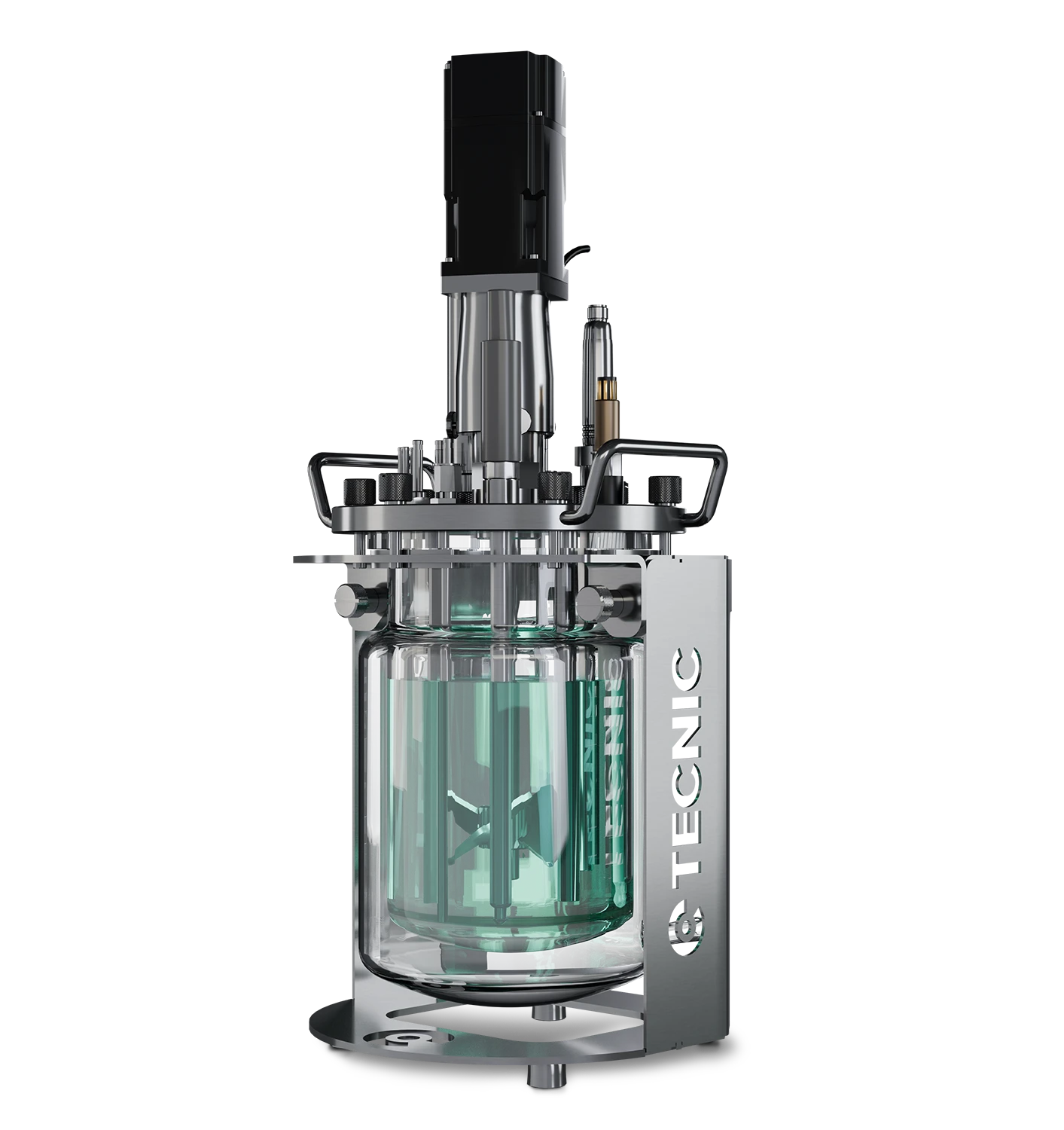
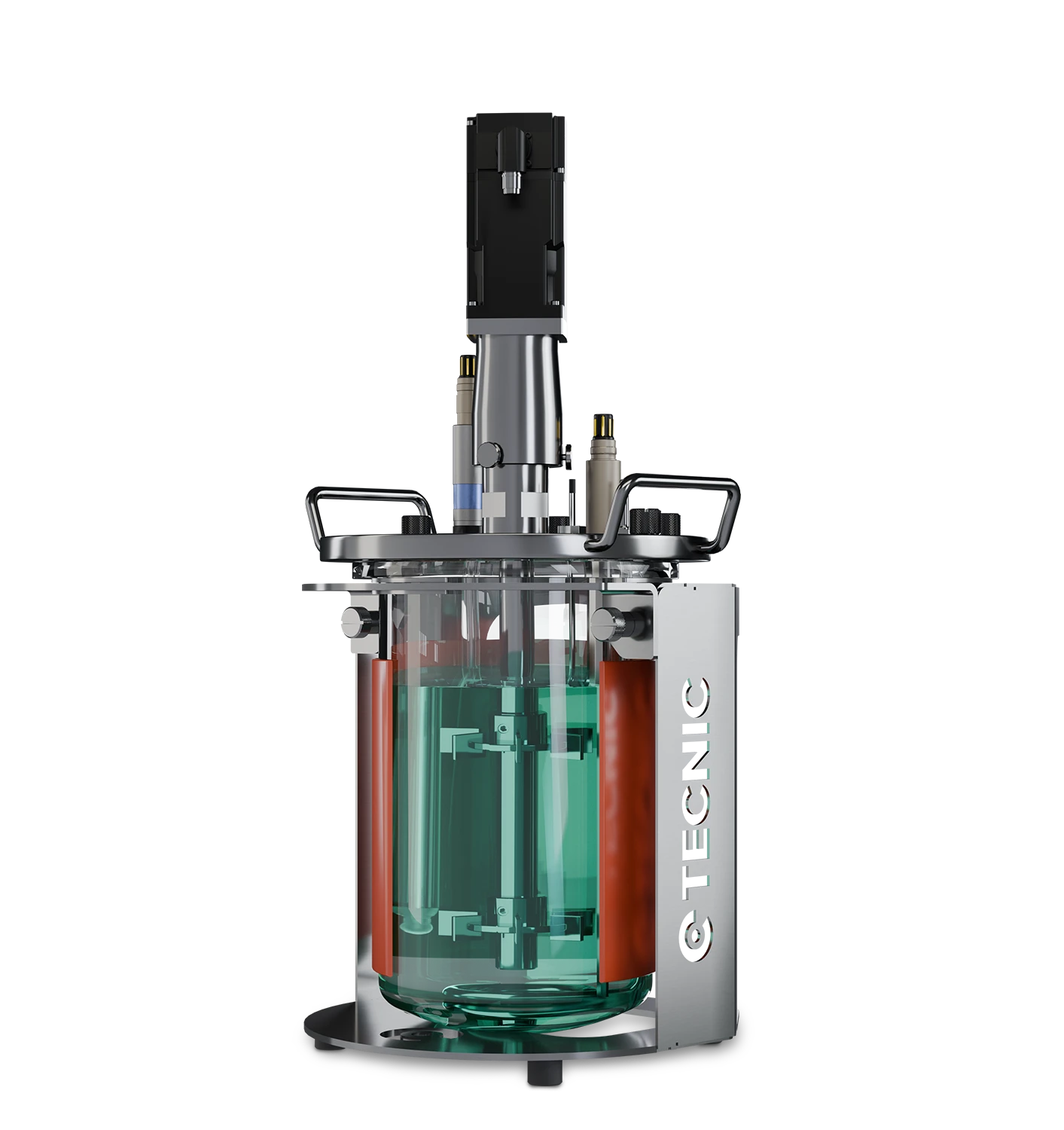
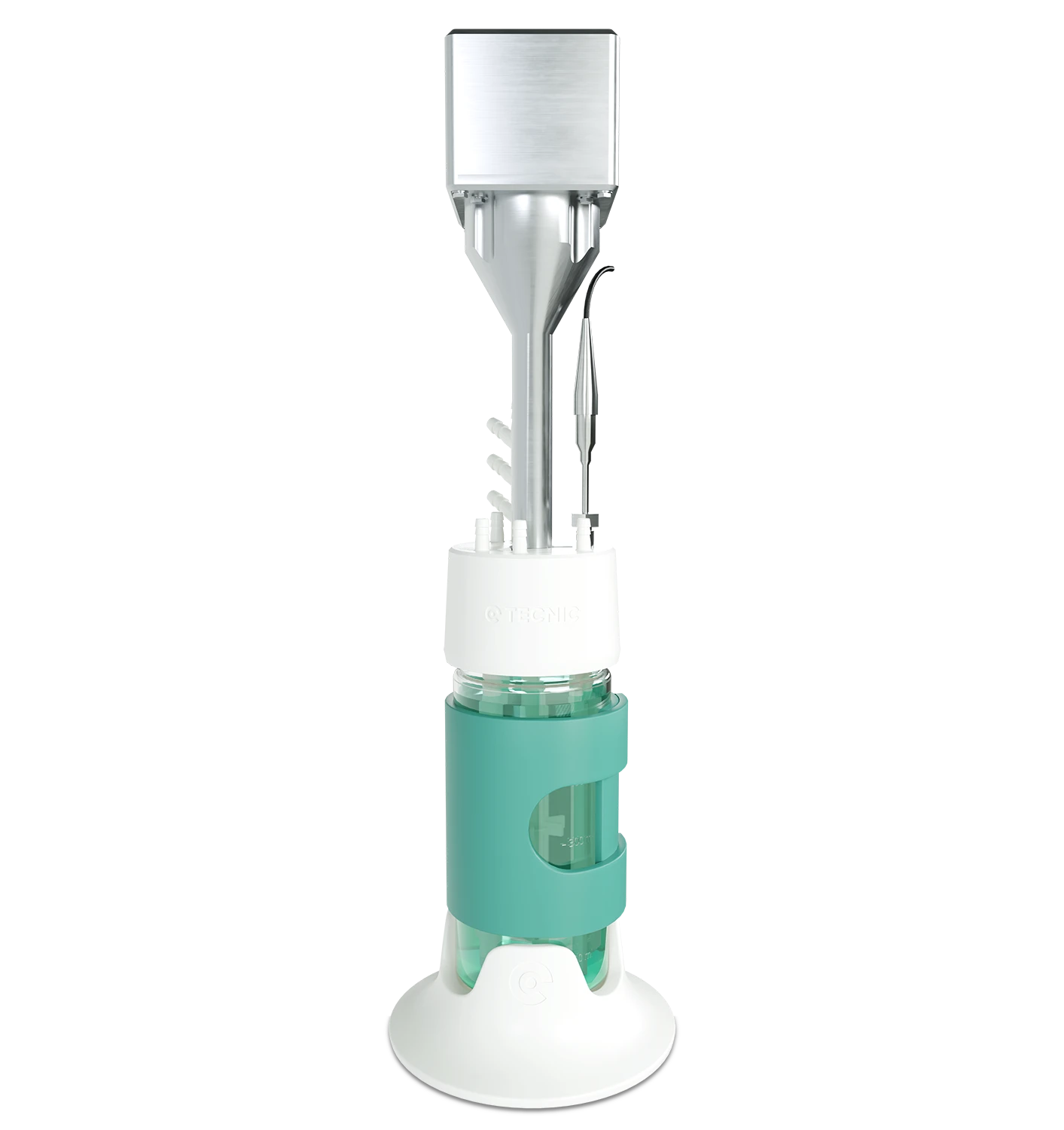
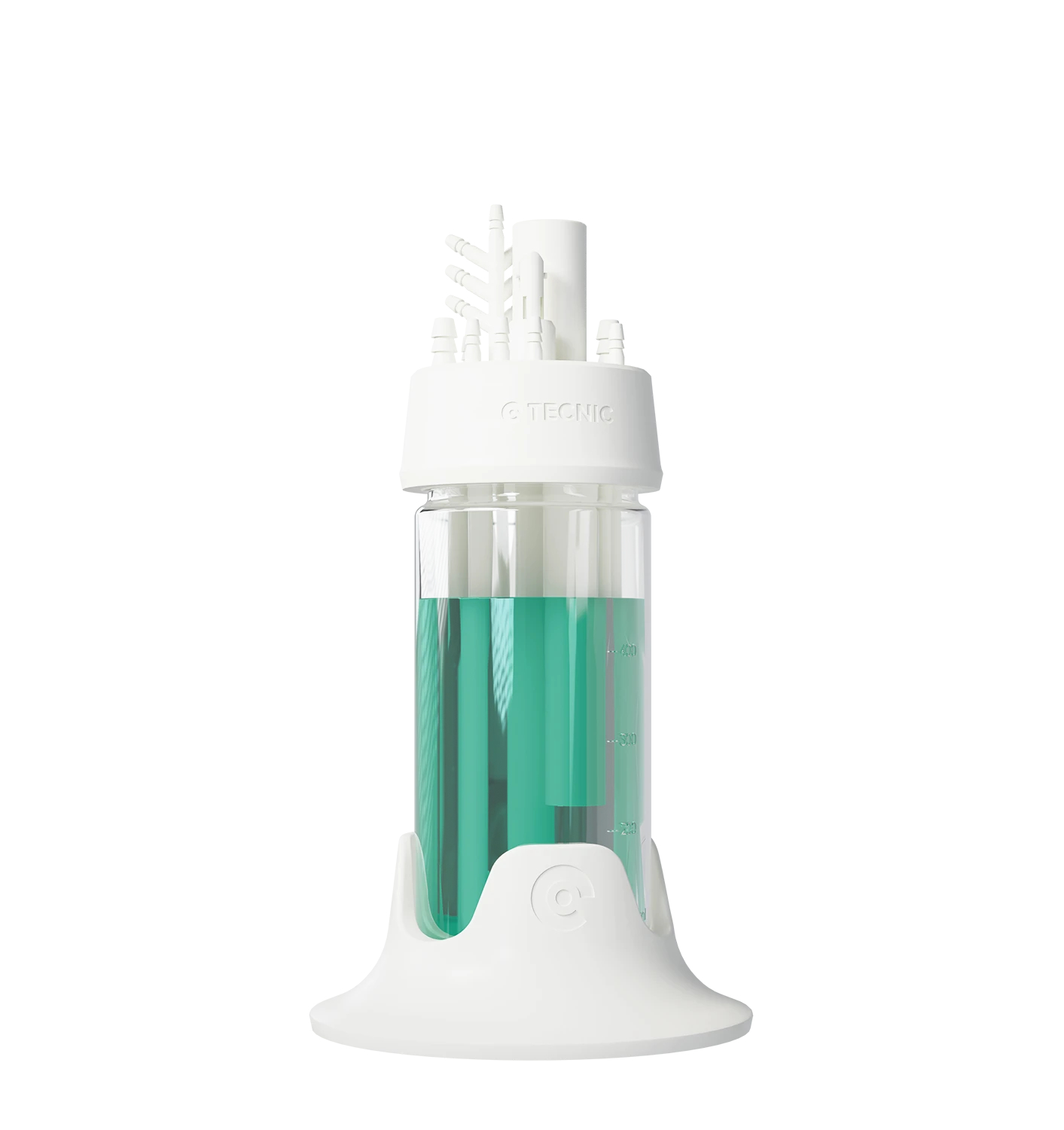
At laboratory scale, single-use vessels can support process development with controlled agitation and clear separation between the reusable support hardware and the disposable process path.
Single-use mixers
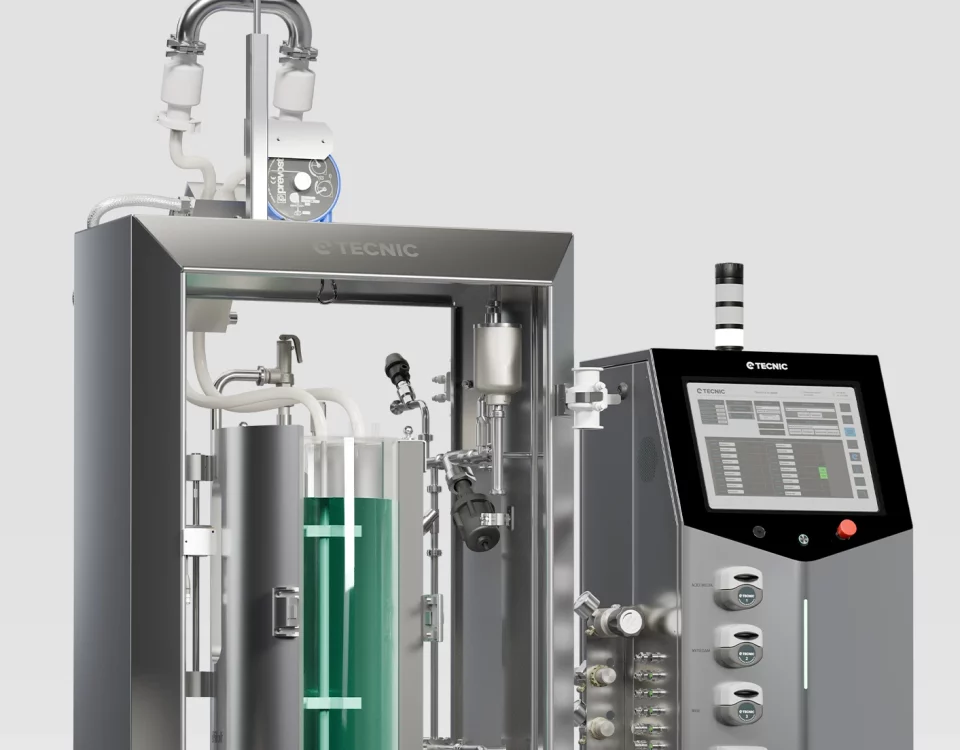
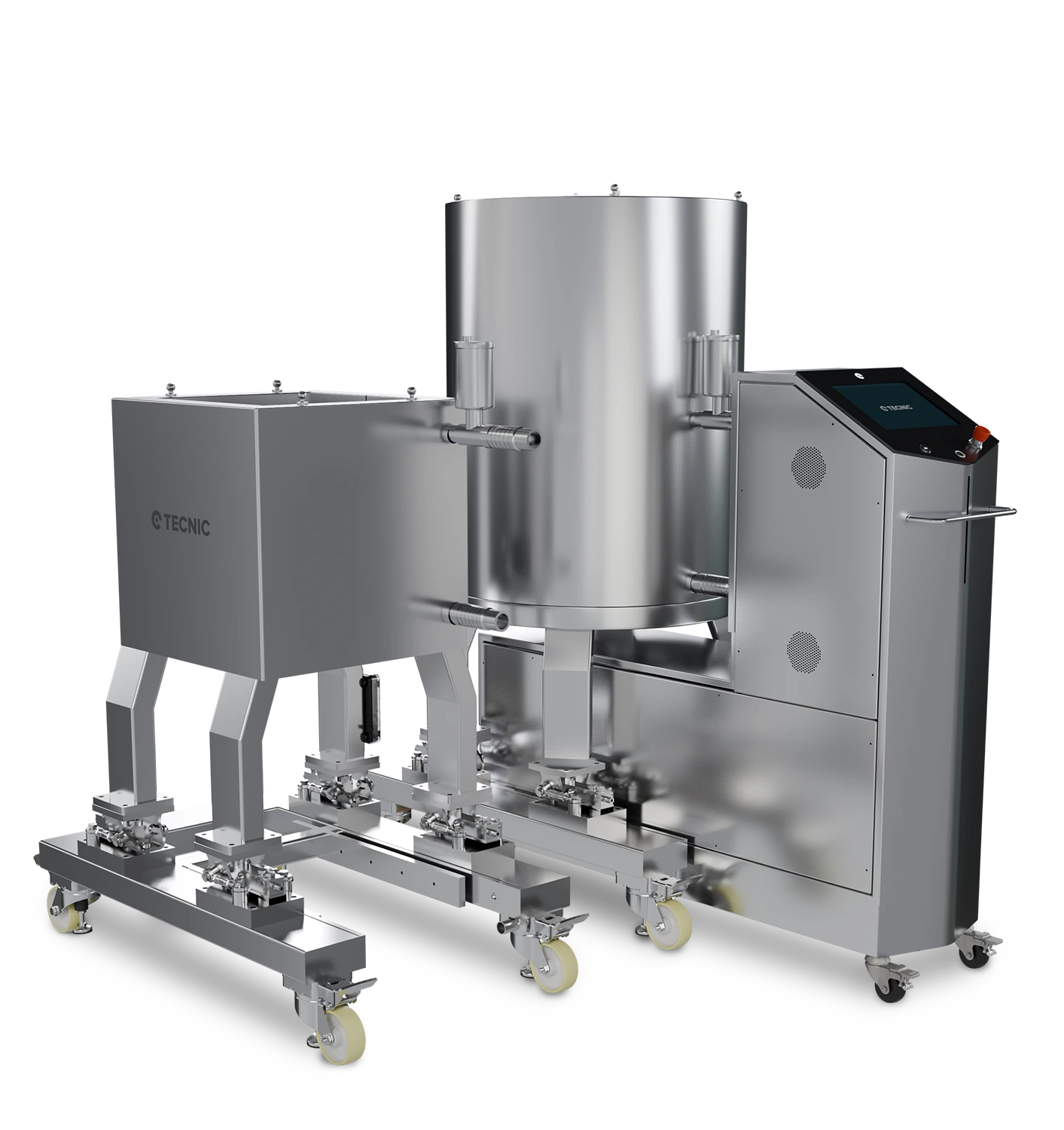
A mixing platform adds the missing layer of control. Once the consumable is installed in a tank frame and coupled to non-invasive magnetic agitation, load cells, dosing and optional pH, conductivity or temperature control, the system becomes a real process tool rather than only a storage element.
Critical points before selecting a single-use system
The right single-use system is not defined by the word sterile or ready-to-use alone. It should be selected by matching the consumable and the platform to the actual process.
| Selection point | Why it matters | Typical consequence if ignored |
|---|---|---|
| Bag geometry and volume | Defines hold-up, mixing behaviour and fit with the support equipment. | Poor draining, weak mixing or inefficient use of working volume. |
| Porting and tubing layout | Affects additions, venting, harvest, sensor setup and operator handling. | Awkward setup, line crossings or limited process flexibility. |
| Film structure | Shapes barrier performance, chemical compatibility and durability. | Reduced shelf performance or poor process fit. |
| Agitation concept | Important in mixing and upstream applications. | Inconsistent homogenisation or poor mass transfer. |
| Support equipment | Tank frame, controls, load cells and dosing systems define process usability. | A good consumable inside a weak operating platform. |
| Supply and documentation strategy | Single-use depends on reliable consumables availability and clear traceability. | Delays, change-control issues or avoidable operational risk. |
Evaluate the bag, the support equipment and the operating routine as one decision. That is where single-use either works smoothly or creates friction.
Single-use vs reusable support logic
In most facilities, the real question is not whether single-use replaces everything. The more useful question is where disposable product-contact paths create clear advantages and where reusable support hardware still makes sense.
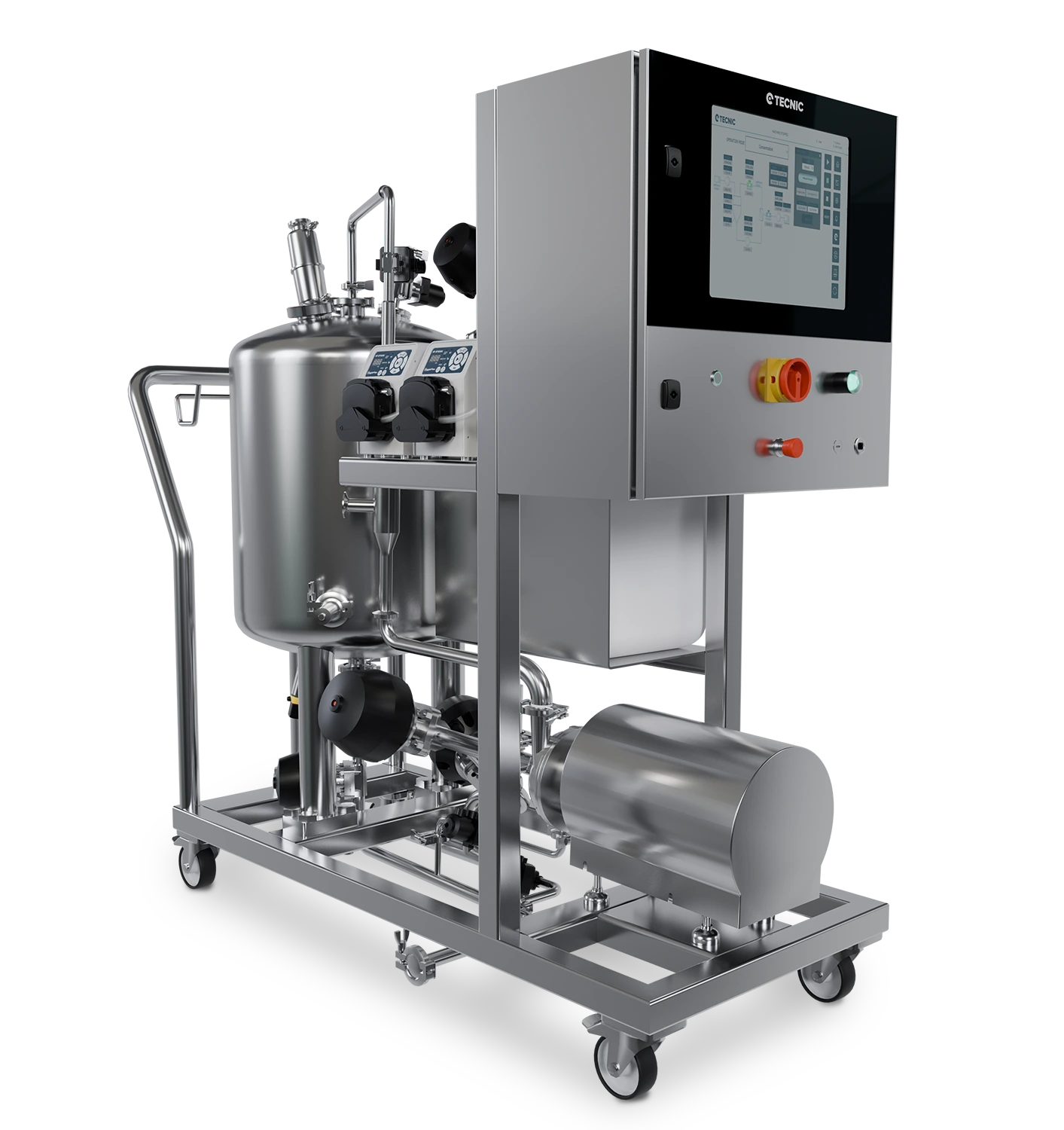
Many well-designed systems combine both approaches. The product-contact path may be disposable, while the control tower, tank frame, weighing, drives and software remain reusable. This hybrid logic often delivers the operational advantages of single-use without turning the entire system into a disposable asset.

How the TECNIC single-use portfolio fits the workflow
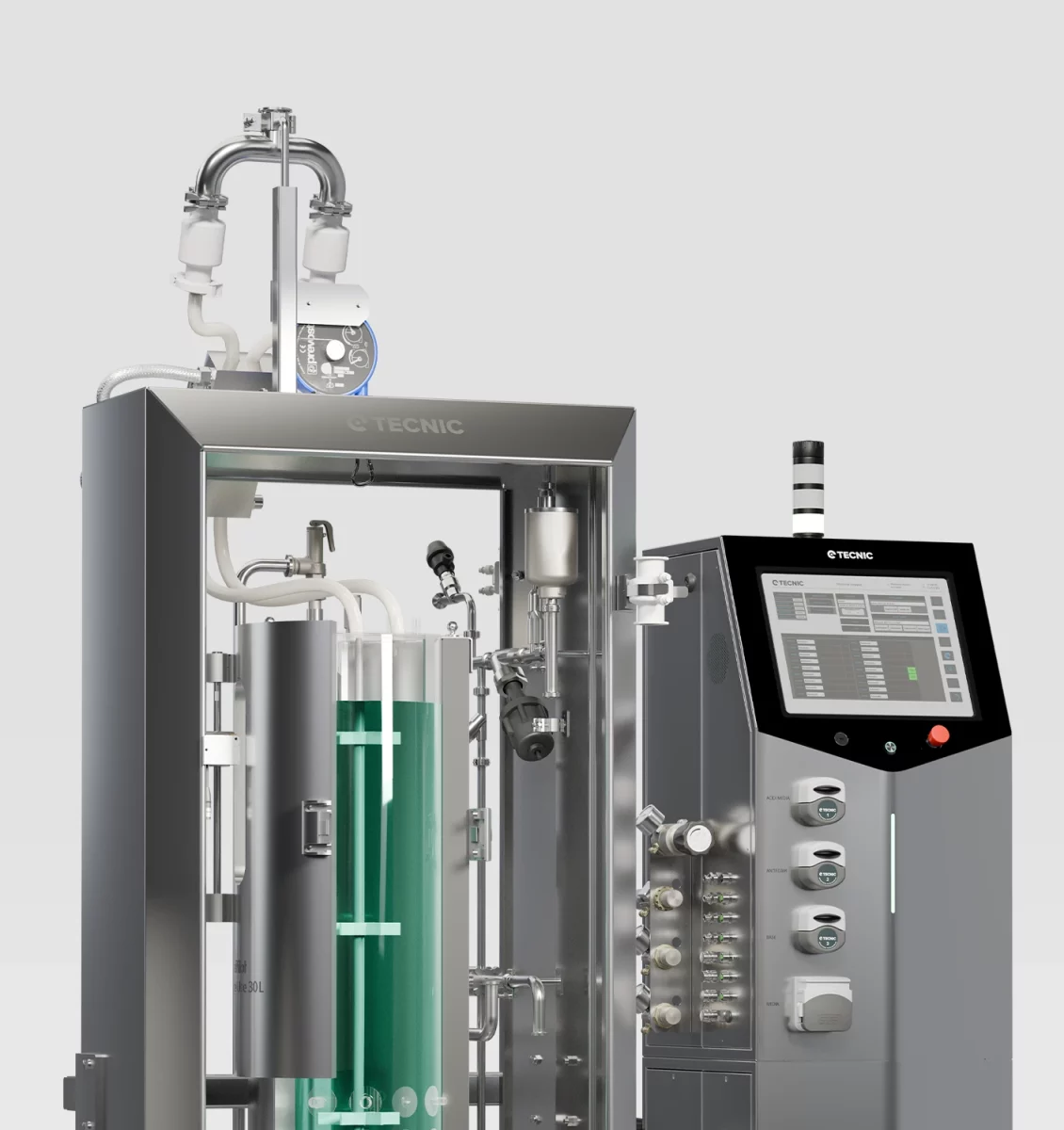
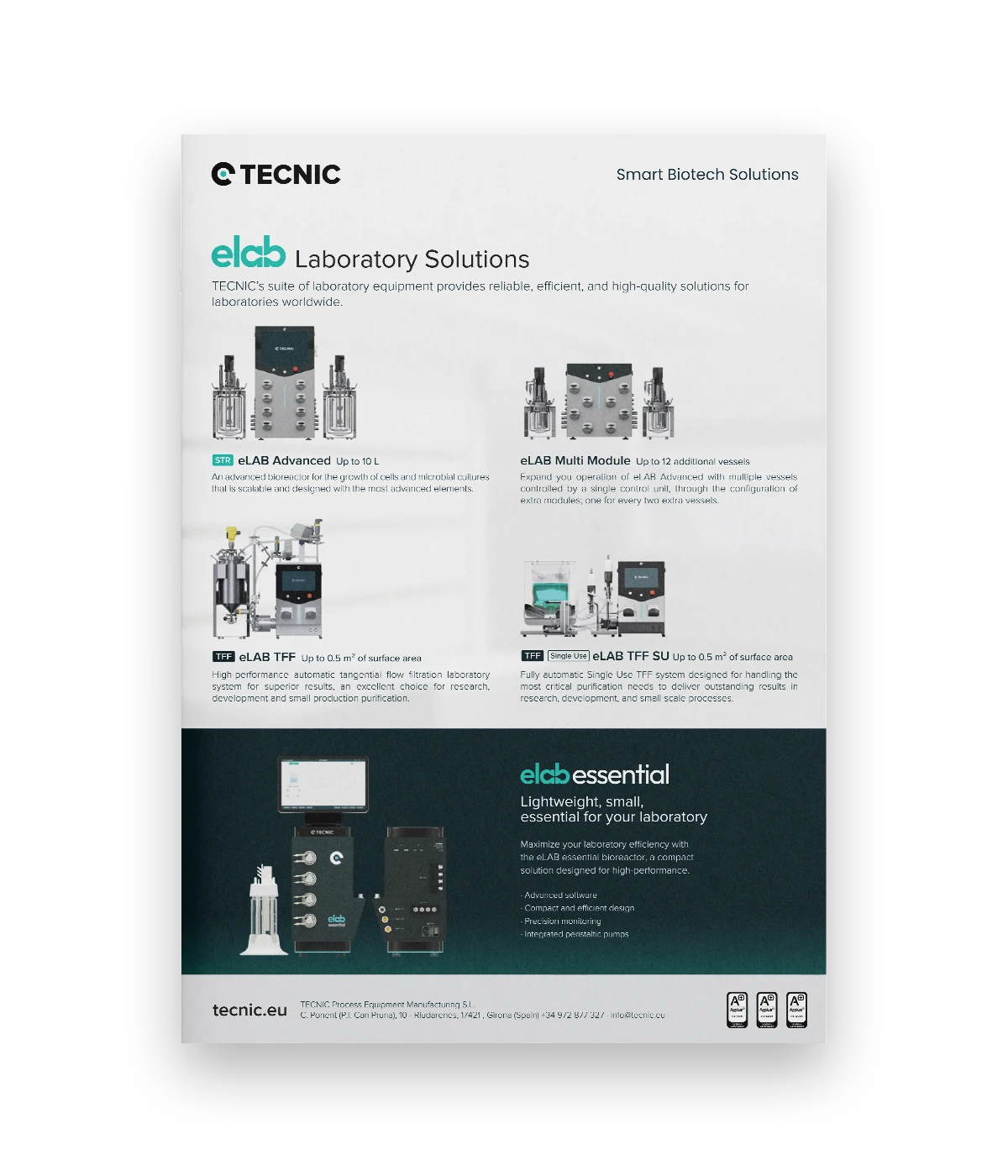
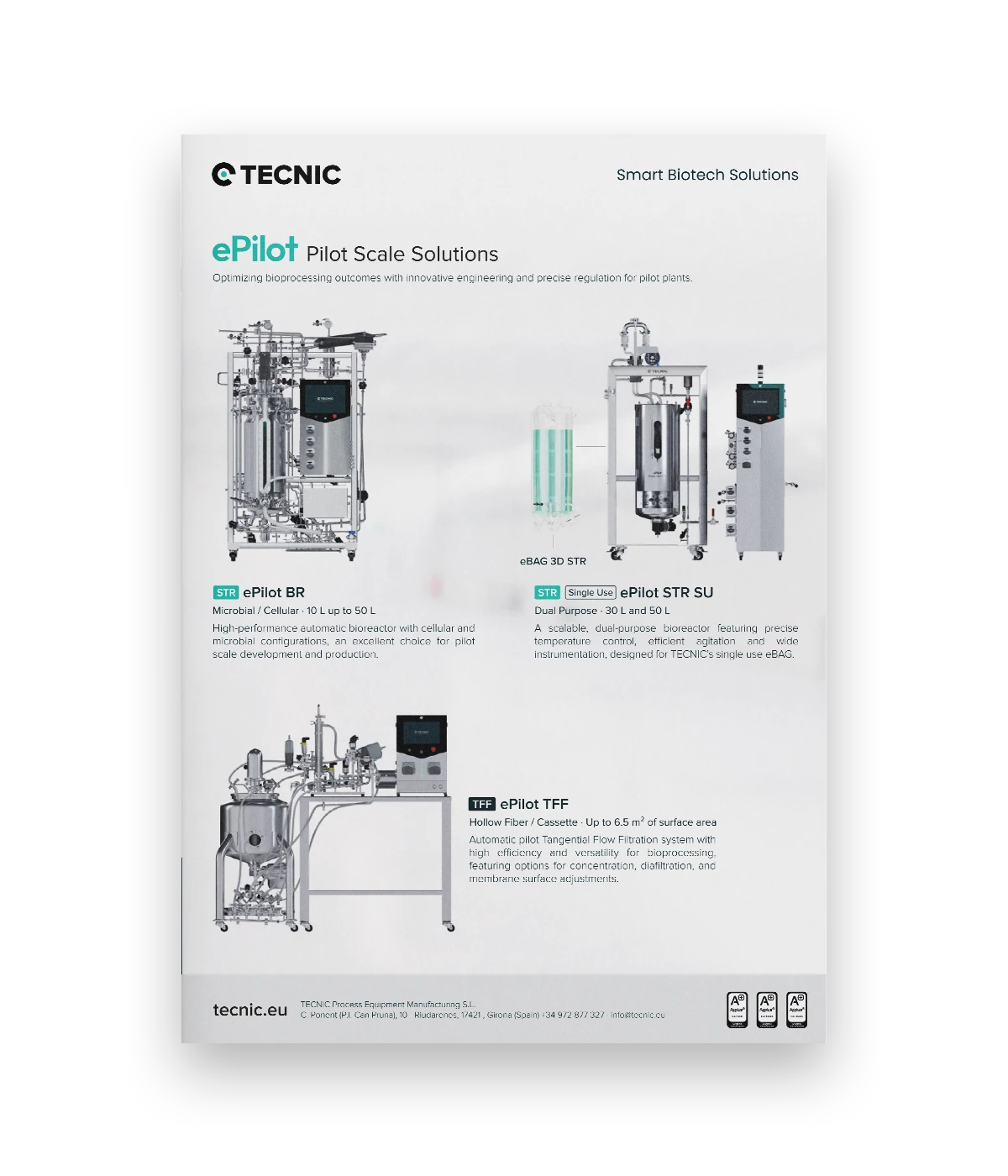
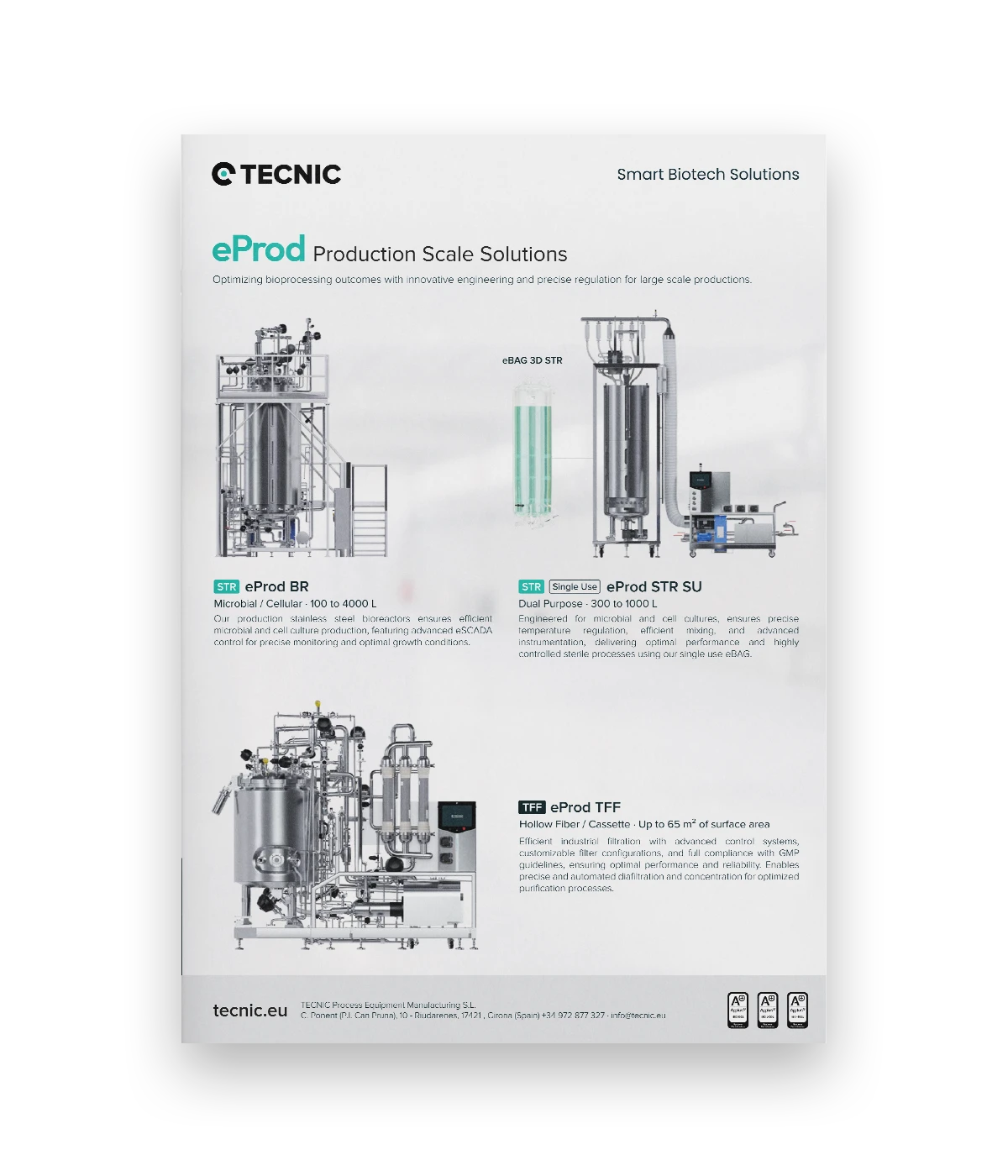
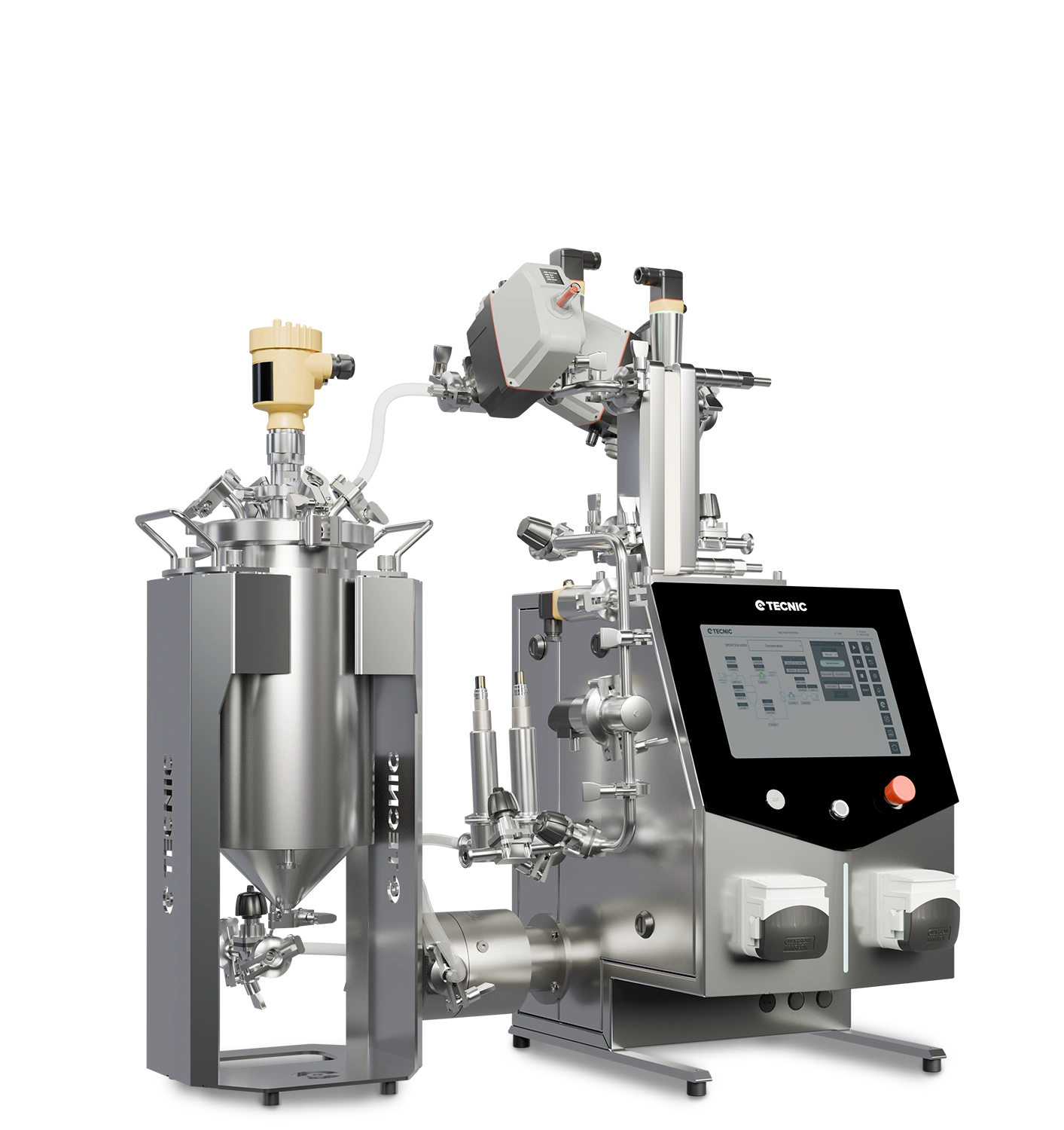
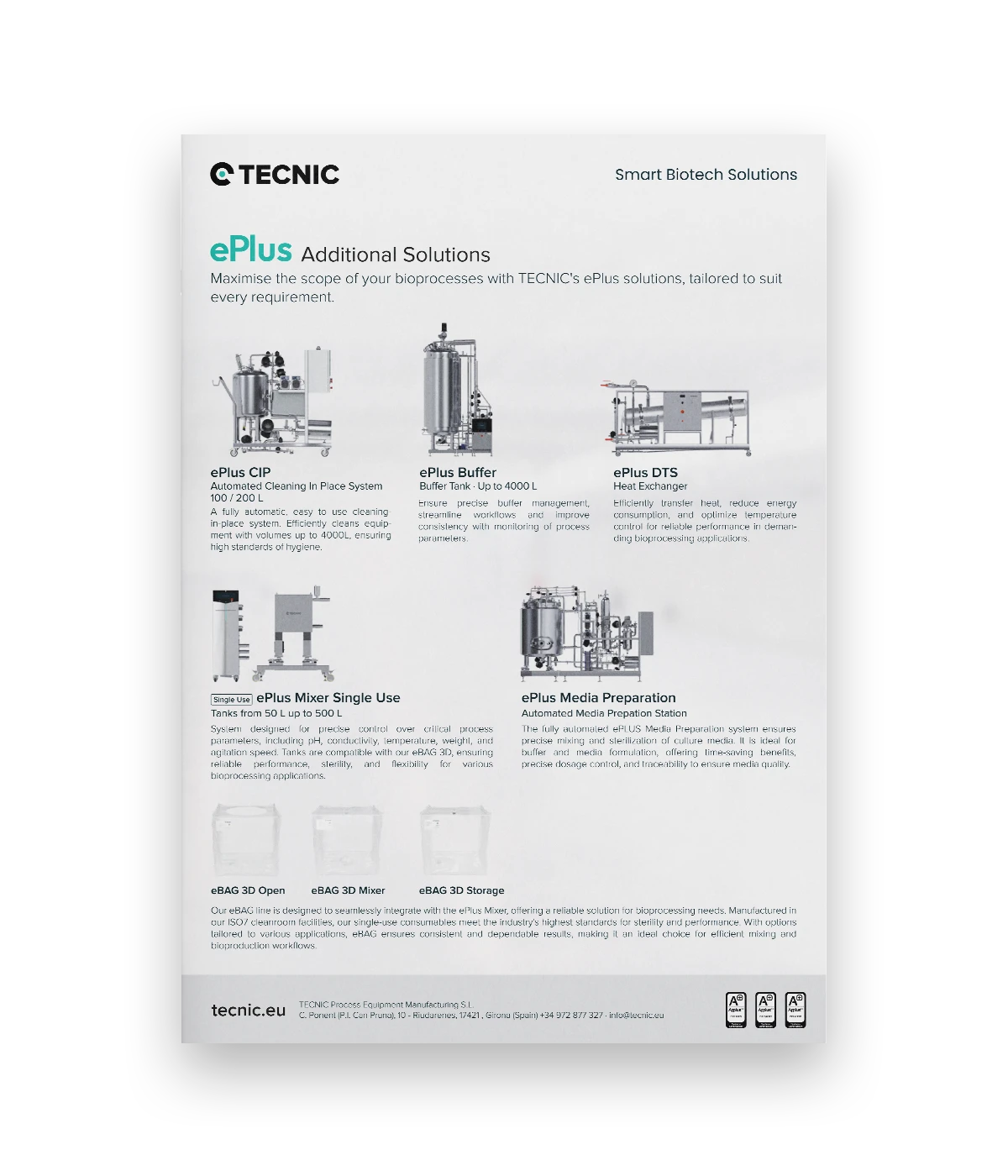
TECNIC’s current single-use offer is useful because it does not stop at one bag family. It covers storage, mixing, bioreactor applications and support equipment, which makes it easier to build a consistent operating path instead of isolated consumables.
eBAG 2D and 3D families
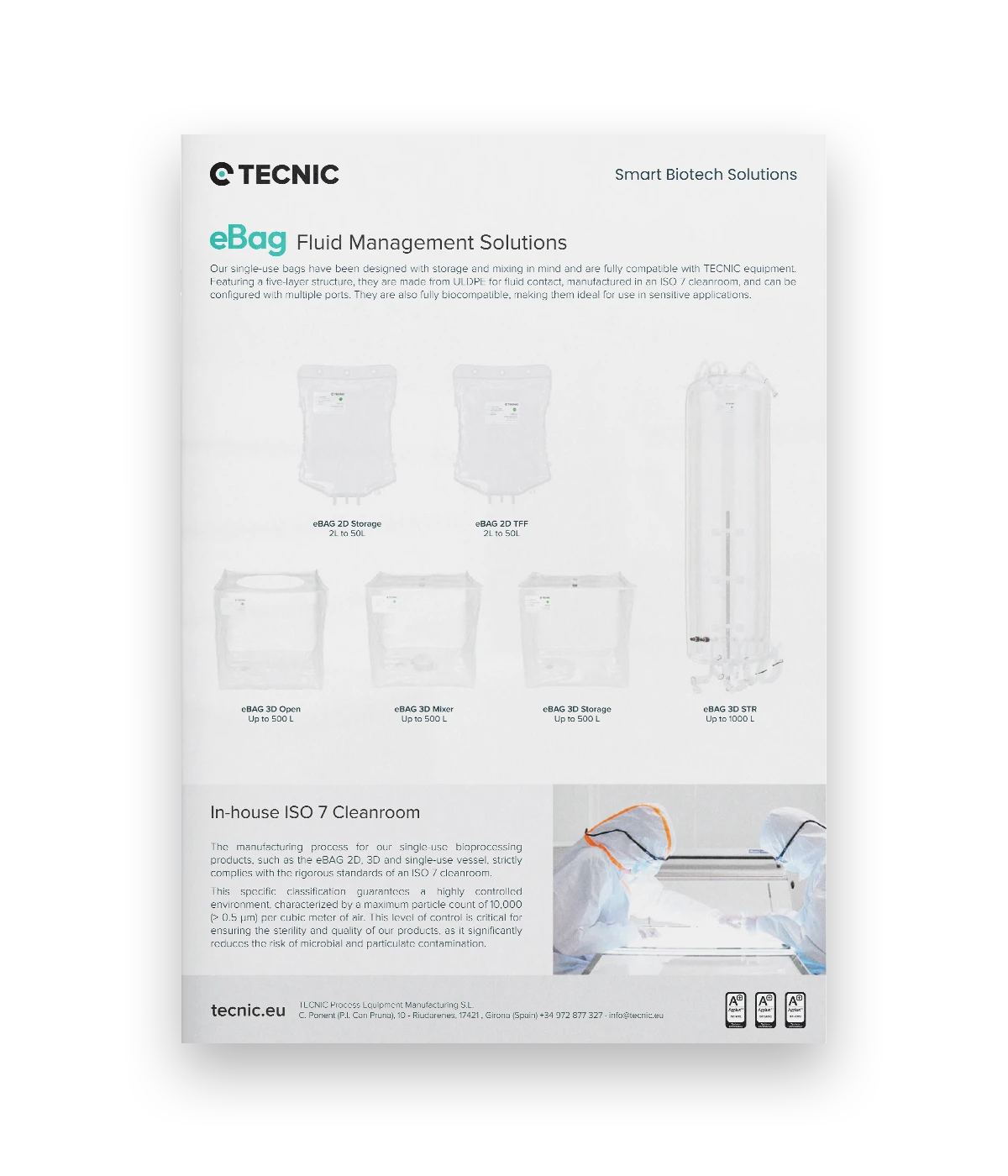
TECNIC’s eBAG range covers storage, open, TFF, STR and mixer-oriented configurations, which helps adapt the consumable to the task instead of forcing one generic format everywhere.
View bioprocess bags
View eBAG 2D Storage
View eBAG 3D Storage
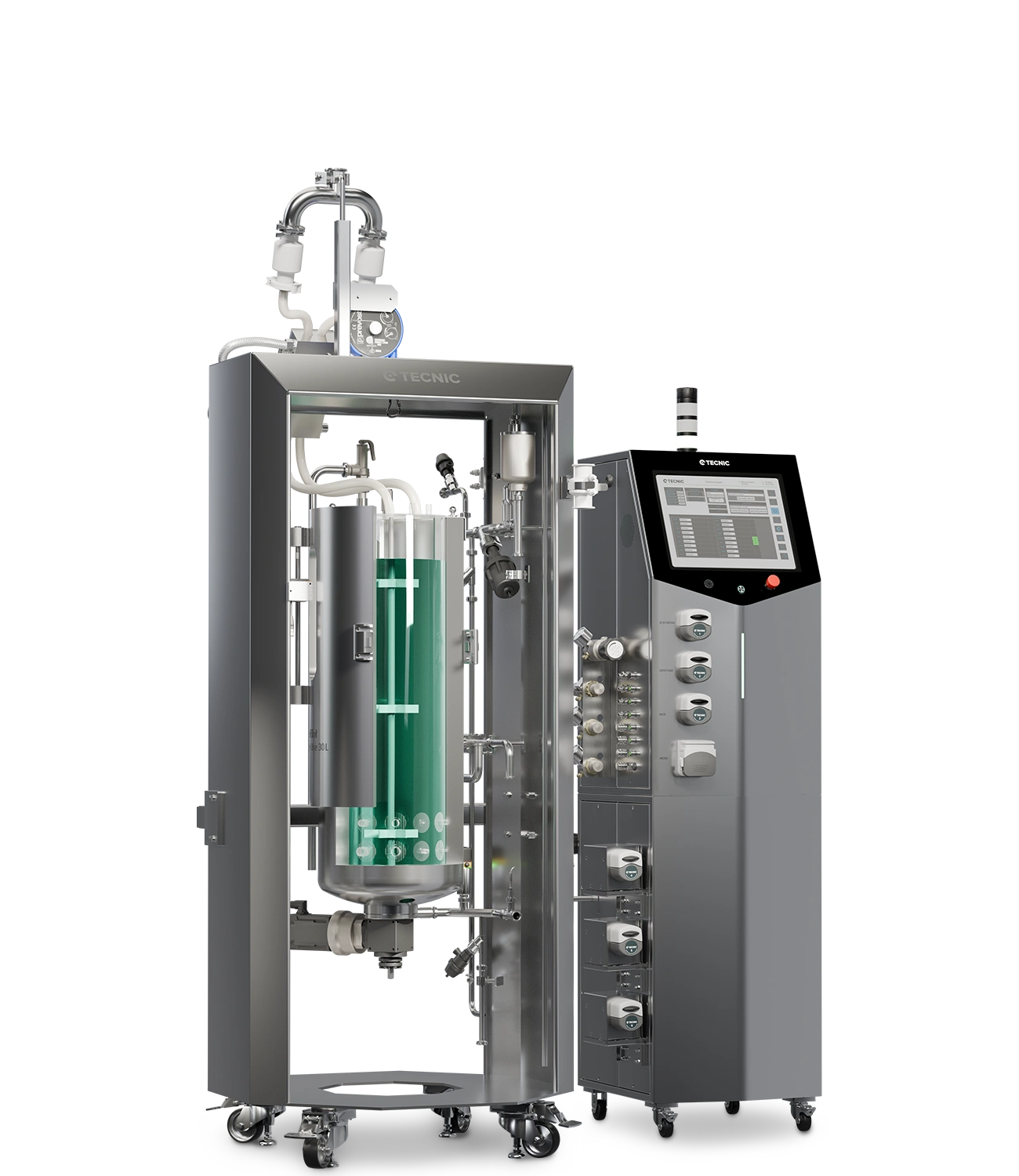
eBAG 3D STR for single-use bioreactor workflows
For stirred-tank single-use applications, eBAG 3D STR is aligned with TECNIC single-use bioreactor platforms and extends the consumable logic into upstream work where geometry, ports and mixing matter more.
Single-use vessel for laboratory work
At small scale, TECNIC’s single-use vessel supports process development and culture work with differentiated microbial and cellular agitation concepts, giving teams a more practical lab-scale disposable path.
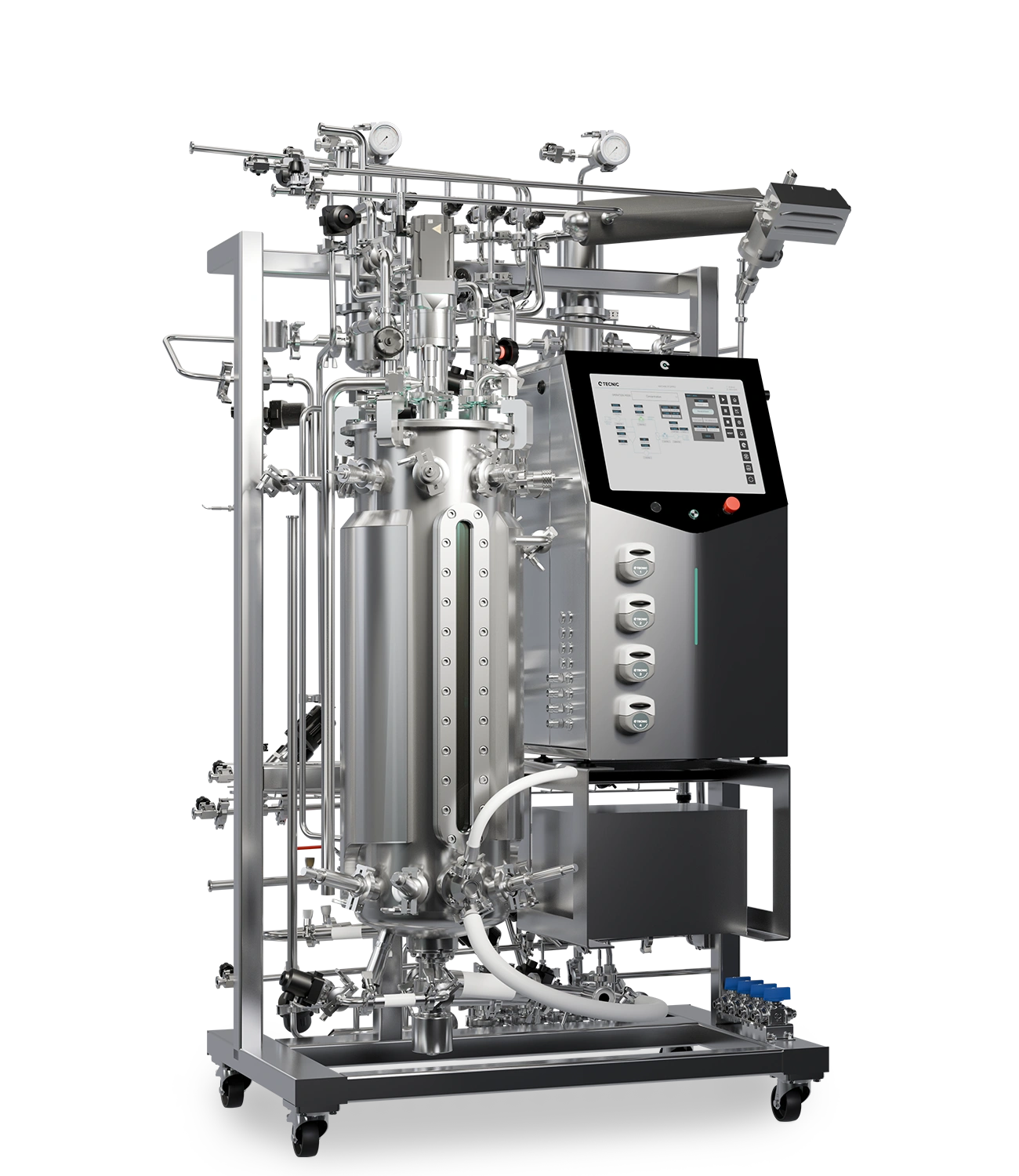
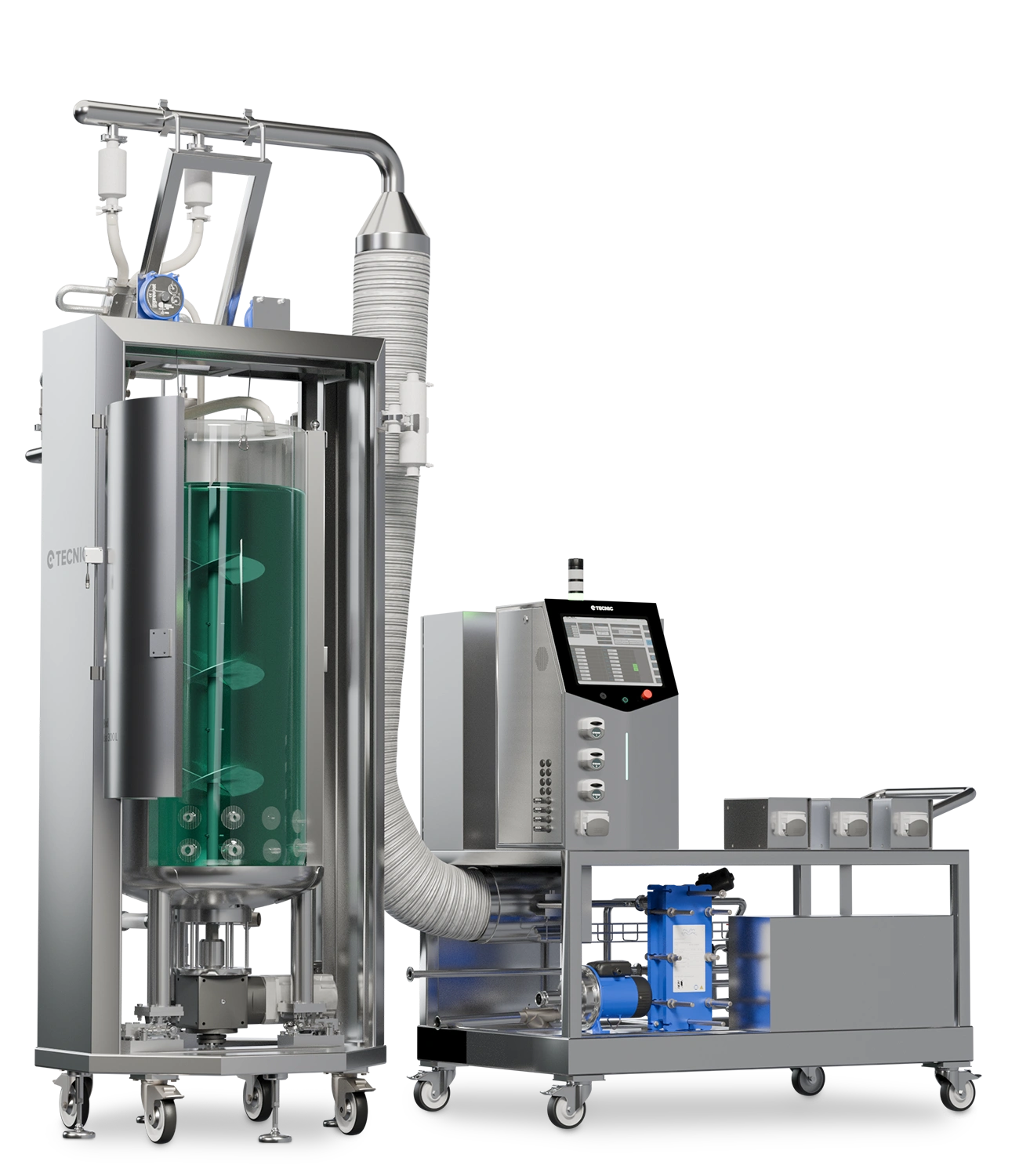
ePlus Mixer SU as the support platform
The ePlus Mixer SU adds the system layer, combining control tower, TANK SU and eBAG 3D consumables for mixing, storage and controlled additions in 50 to 500 L workflows.
This section stays technical on purpose. It helps the article remain useful for informational search intent while still connecting the reader with real TECNIC single-use paths.
Frequently asked questions
Are single-use systems only useful for small volumes?
No. They are often associated with development and pilot work, but the operating logic can also extend into larger process steps depending on the application and the platform family.
Does single-use automatically remove all contamination risk?
It can reduce carryover risk linked to reusable product-contact paths, but good sterility still depends on manufacturing quality, handling, connections, filters, storage and installation discipline.
Why does film structure matter so much?
Because it affects barrier performance, chemical compatibility, durability and product contact. In many cases, the film is part of the process definition, not just a packaging detail.
What is the difference between a bag and a single-use system?
A bag is only one element. A single-use system includes the consumable plus the support logic around it, such as vessel or tank geometry, agitation, weighing, controls, sensors and operating workflow.
What should I define first before selecting a single-use platform?
Start with the process objective, storage, mixing, upstream or downstream support, then define working volume, ports, sensors, hold-up sensitivity and how the consumable will interact with the equipment around it.
Building a cleaner single-use workflow for your process?
Explore the TECNIC single-use range or speak with our team to review the right bag, vessel or mixing platform for your process and operating strategy.